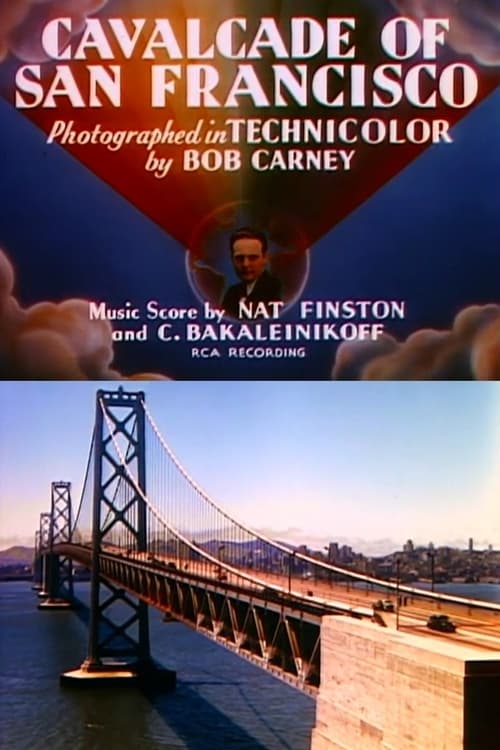
Cavalcade of San Francisco
1940
No user ratings available yet
Representation score: 0.6 out of 10

Representation Score
Minimal
1935
ApprovedRuntime
9 minutes
Average Rating
No ratings yetNew Showbiz Analysis
This 1935 documentary serves as a promotional travelogue, emphasizing industrial progress and civic pride over character-driven narratives. It lacks the complexity needed for nuanced identity representation. The film reinforces the social structures of its time, presenting a homogeneous vision of Los Angeles centered on white, male-dominated sectors such as engineering and urban planning. It treats middle-class prosperity as the standard civic norm. While the film captures a moment of mid-century optimism, it does not offer space for perspectives that reflect multiple aspects of identity or challenge established social norms.
Category Breakdown
The film does not depict any queer identities or stories that challenge the assumption that everyone is straight or cisgender. It follows the social norms of the 1930s closely.
The documentary highlights male industrial leaders and engineers. Women are shown in the background without much influence or control over the technological progress featured.
The film focuses on Anglo-Saxon development and Western expansion. There is a noticeable lack of diverse ethnic representation among the main subjects.
The film celebrates capitalism and the American Dream through urban development. It emphasizes traditional patriotism and the perceived superiority of modern Western infrastructure.
There is no visible or intentional representation of individuals with disabilities. The footage focuses on idealized images of workers and travelers.
Present on Screen
Limited or Absent
Official Synopsis
This Traveltalk series short visits Los Angeles, California. In one of the highlights of the film, narrator James FitzPatrick visits the Disney cartoon studio and shakes hands with Walt Disney.
1940
1937
1942
1946
1935
1938
1948
1937
No reviews yet. Be the first to share your thoughts on this movie!
Use the rating form above to leave a star rating and optional review.