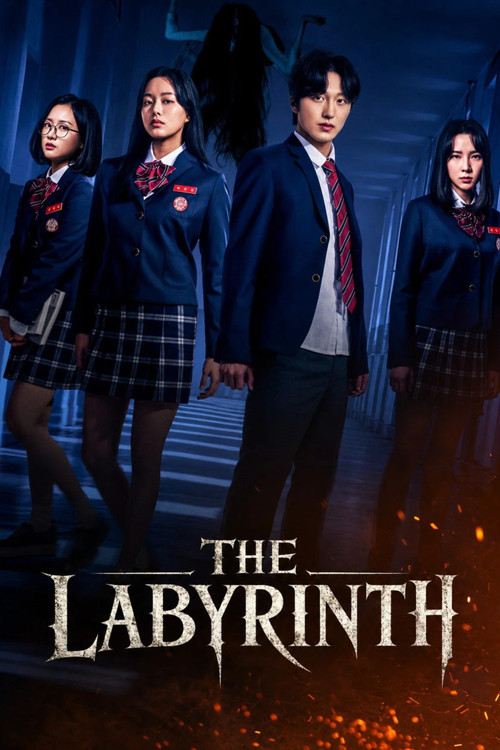
The Labyrinth
2021
No user ratings available yet
Representation score: 3.6 out of 10
Representation Score
Good
2013
Director
Koji Shiraishi
Runtime
84 minutes
Average Rating
No ratings yetNew Showbiz Analysis
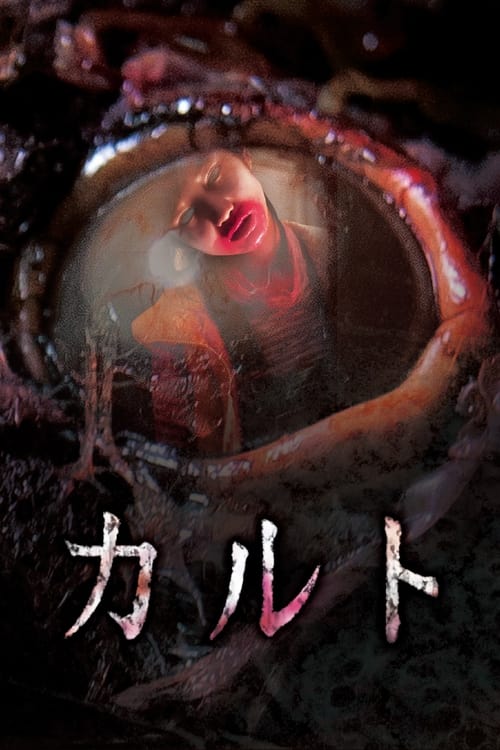
Cult functions primarily as a genre-driven horror film that emphasizes atmospheric tension over social critique. Its strongest progressive element is the focus on female idols who take active investigative roles rather than being mere victims of the supernatural. However, the film maintains a traditional demographic focus, reflecting a homogeneous Japanese setting without challenging ethnic norms. It also lacks explicit representation of LGBTQ+ identities. The portrayal of mental distress remains tied to genre conventions rather than meaningful disability representation. Ultimately, the film's complexity lies in its thematic deconstruction of authority, showing the failure of spiritual institutions and exorcists, and exploring the fragility of social cohesion through a lens of moral ambiguity.
Category Breakdown
The film does not include explicit representations of non-binary gender identities or same-sex relationships. Instead, it focuses on psychological tension and interpersonal dynamics without directly challenging the assumption that everyone is straight or cisgender.
Female idols play key roles as investigators and witnesses, driving the exploration of the supernatural. They are not passive victims but the film does not explicitly challenge traditional gender roles.
The cast mainly reflects the current demographics of Japanese urban life, with a lack of diverse casting to challenge ethnic norms.
The film deconstructs traditional spiritual institutions by portraying cults as sources of chaos. It questions the stability of organized religious beliefs and the authority of religious figures.
Psychological terror and mental breakdowns are used as typical horror elements. There are no nuanced portrayals of neurodivergence or characters with disabilities being given specific roles.
Present on Screen
Limited or Absent
Official Synopsis
Three female idols appear on a television show to investigate an exorcism. An exorcist with psychic powers named Unsui claims that the show’s subjects, the Kaneda family, are cursed by a demon that’s too powerful for him to banish on his own, so he calls in a fellow exorcist to help. Soon, a reckless ghost hunter enters the fray as the three idols witness a series of terrifying events.
2021
2005

2013
2003
2018
2020

2005
2014
No reviews yet. Be the first to share your thoughts on this movie!
Use the rating form above to leave a star rating and optional review.