Find another title
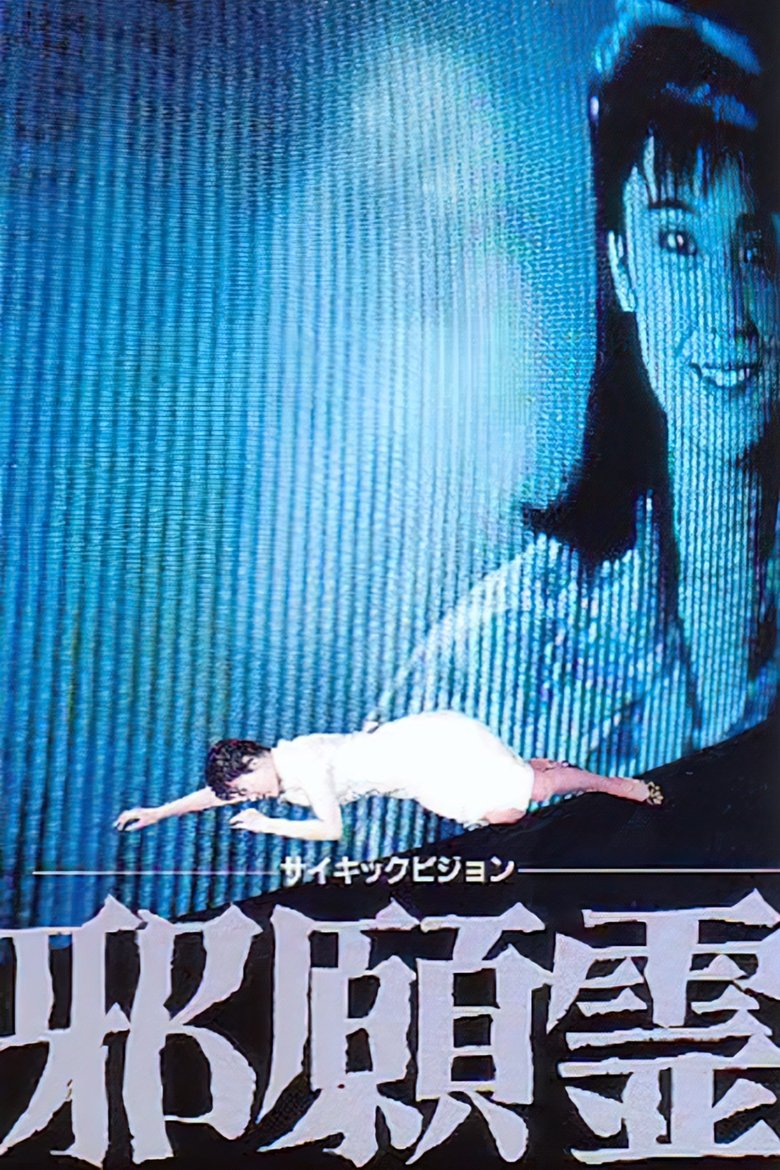
Psychic Vision: Jaganrei
1988
Director
Teruyoshi Ishii
Runtime
49 minutes
Average Rating
No ratings yetSynopsis
Kyoko Sawai, a TV reporter, is making a report about an idol singer named Emi Kato. Emi and her staff are preparing the promotion of her next tune "Love Craft". And as spiritual accidents happen around her, Kyoko finds out that the woman who composed the tune died seven years before.
Where to Watch
Diversity & Representation
Overall Score
Fair
Category Breakdown
LGBTQ+ Representation
The film lacks evidence of LGBTQ+ characters or narratives. The plot focuses on the professional and spiritual ties between the reporter and the idol singer.
Gender Representation
Female agency is central, featuring a professional journalist and a pop idol. These women occupy positions of investigative power and cultural influence within the story.
Racial & Ethnic Diversity
The production is inherently homogeneous, reflecting its 1988 Japanese context. There is no evidence of multi-ethnic casting or diverse racial identities.
Religious & Cultural Diversity
The narrative explores spiritualism and the supernatural rather than organized dogma. It offers a potential critique of the superficiality found in the idol industry.
Disability Representation
There is no indication of characters with visible or invisible disabilities within the narrative.
Strengths
- The film centers on female agency through its two primary protagonists.
- Women are placed in positions of investigative power and cultural influence.
Areas for Improvement
- The narrative lacks intersectional complexity or systemic social critique.
- The cast and setting are homogeneous, reflecting a limited cultural scope.
- There is no evidence of LGBTQ+ representation or non-cisnormative identities.
AI Analysis
Psychic Vision: Jaganrei is a genre-driven thriller that prioritizes supernatural mystery over social deconstruction. While it avoids domestic tropes by centering on female protagonists, it does not actively seek to subvert broader gender hierarchies. The film operates within a localized cultural framework, focusing on Japanese celebrity culture and spiritualism. It lacks the intersectional complexity or systemic critique necessary to move beyond a standard genre exercise. Ultimately, the work follows traditional mystery conventions. It provides meaningful female-led agency but remains a product of its specific era and cultural setting.
Rate this Movie
Reviews
No reviews yet. Be the first to share your thoughts on this movie!
Use the rating form above to leave a star rating and optional review.