Senritsu Kaiki File Kowasugi! File 02: Shivering Ghost
2012
No user ratings available yet
Representation score: 3.1 out of 10
Representation Score
Limited
2010
Not RatedDirector
Koji Shiraishi
Runtime
83 minutes
Average Rating
No ratings yetNew Showbiz Analysis
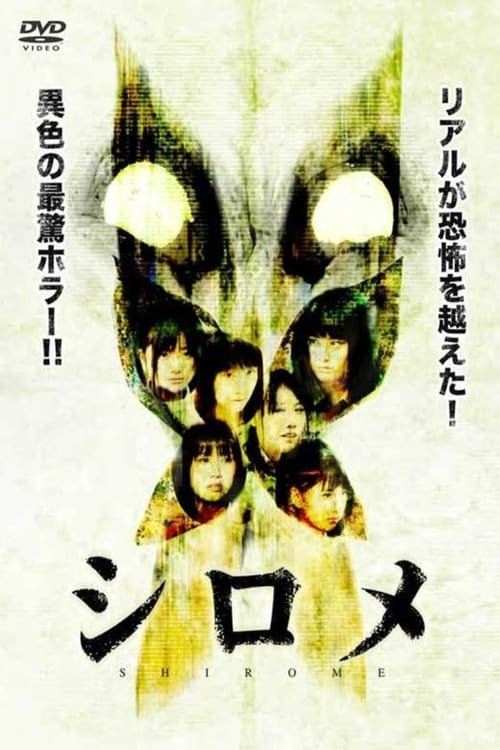
Shirome is a genre-driven found-footage horror film that emphasizes supernatural suspense over discussions of identity. While the all-female cast provides a departure from male-centric horror clichés, the film does not intentionally address progressive representation. The narrative structure is crafted to create visceral tension through the lens of a mockumentary. Consequently, the film does not engage with systemic critiques or the subversion of social hierarchies. Ultimately, the film operates as a specialized exercise in genre clichés, focusing on the psychological unraveling of a specific pop idol unit within a localized cultural context.
Category Breakdown
The story centers around the dynamics of the idol unit and a supernatural threat. There are no explicit representations of non-straight relationships or critiques of the assumption that everyone is straight.
The film features an all-female cast that deviates from the typical 'final girl' cliché by showcasing a collective experience. However, the characters often conform to conventional roles of pop idols reacting to external events.
The film showcases a predominantly Japanese cast, reflecting its cultural origins and the casting of a domestic pop idol group. It does not actively seek to include diverse racial backgrounds.
The narrative incorporates elements of Japanese folklore and urban legends through the character Shirome. The setting of an abandoned school serves primarily for horror purposes rather than social critique.
There are no characters with visible or invisible disabilities mentioned. The narrative focuses on the psychological terror experienced by the ensemble.
Present on Screen
Limited or Absent
Official Synopsis
In his latest film, Shirome, Stardust Promotion's relatively new pop idol unit Momoiro Clover star as a group of girls who enter an old abandoned school hoping to have their wishes granted by a spirit called Shirome. The girls initially had no clue they were being filmed for a movie at all. Instead, they were told that they were being filmed for an upcoming television show exploring haunted locations. The result is a faux documentary style in the same vein as "The Blair Witch Project" and "Paranormal Activity".
2012
2005
2013

2014
2014
2007
2002
2011
No reviews yet. Be the first to share your thoughts on this movie!
Use the rating form above to leave a star rating and optional review.