
Lumberjack and Jill
1949
No user ratings available yet
Representation score: 0.5 out of 10
Representation Score
Minimal
1954
ApprovedDirector
Seymour Kneitel
Runtime
6 minutes
Average Rating
No ratings yetNew Showbiz Analysis
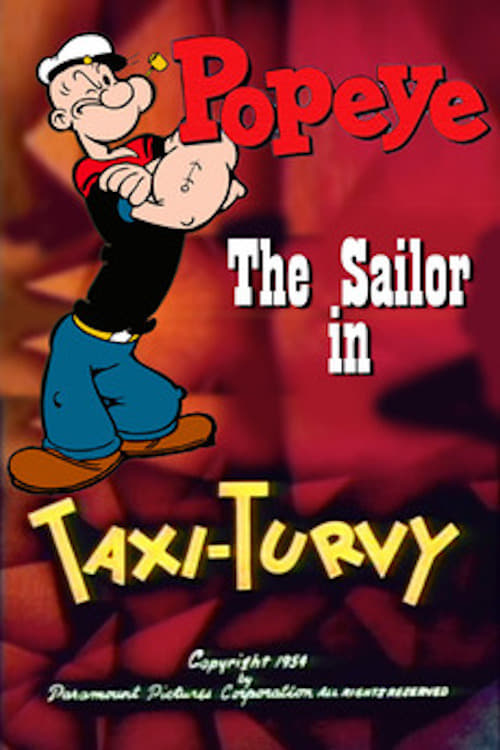
Taxi-Turvy is a quintessential product of its era, relying on established comedic clichés and conventional social hierarchies. The narrative is driven by a standard male-versus-male rivalry for female attention, reinforcing traditional gender dynamics rather than challenging them. The film lacks intentionality regarding diverse representation. It adheres to the homogeneous casting and cultural norms typical of 1950s animation, focusing on slapstick competition within a standard Western framework.
Category Breakdown
The film does not include any LGBTQ+ characters or narratives. The central conflict revolves around a traditional heterosexual relationship where males compete for a female character.
Gender roles in the film follow mid-century comedic clichés. The plot centers on male competition for Olive, presenting her as a passive object of desire rather than an active participant.
The work reflects the homogeneous casting norms of 1950s American animation. There is no evidence of diverse casting or race-bent roles within the established franchise archetypes.
The setting reinforces standard mid-century social and economic norms through commercial competition. It operates within traditional Western comedic structures and conventional morality.
There are no visible or invisible disabilities depicted or central to the plot.
Present on Screen
Limited or Absent
Official Synopsis
Popeye and Bluto are taxi drivers; they are, of course, competing for fares - and Olive, in particular.
1949
1956
1957
1957
1947
1936

1954
1934
No reviews yet. Be the first to share your thoughts on this movie!
Use the rating form above to leave a star rating and optional review.