Lumberjack and Jill
1949
No user ratings available yet
Representation score: 0.5 out of 10
Representation Score
Minimal
1957
ApprovedDirector
Seymour Kneitel
Runtime
6 minutes
Average Rating
No ratings yetNew Showbiz Analysis
Nearlyweds is a classic mid-century animated short that emphasizes slapstick humor over social complexity. The narrative is centered on established archetypes that reinforce the status quo of the 1950s. The film lacks depth in representing diverse identities, focusing instead on a narrow, traditional romantic conflict. It adheres to the era's social hierarchies without attempting to challenge them.
Category Breakdown
The story centers on a typical romance between two men competing for a woman's attention, emphasizing traditional courtship dynamics.
Olive Oyl is portrayed as a passive prize in a competition between Popeye and Bluto, highlighting mid-century gender roles where women respond to men’s actions.
The cast consists of homogeneous characters without any indication of racial diversity or blended backgrounds.
The film focuses on traditional Western social structures and the institution of marriage, using comedic clichés to depict domestic life without challenging systemic issues.
No characters with visible or invisible disabilities are shown taking active roles or having meaningful representation.
Present on Screen
Limited or Absent
Official Synopsis
Popeye and Bluto both plan to marry Olive Oyl, but Popeye proposes first. When Olive says, "Yes!" to Popeye, Bluto sets out to make Popeye look bad, break up the wedding, and win Olive over.
1949
1956
1954
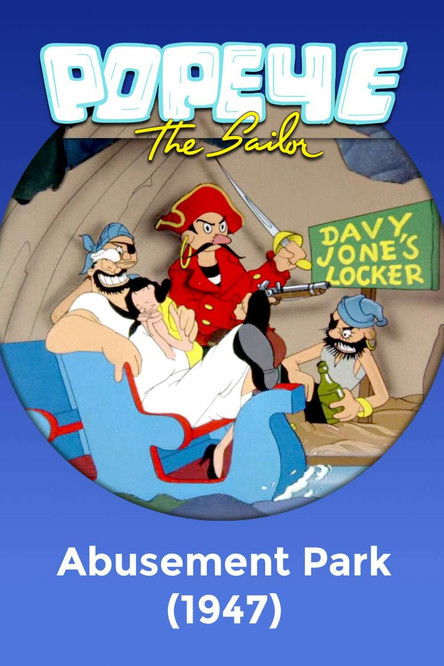
1947
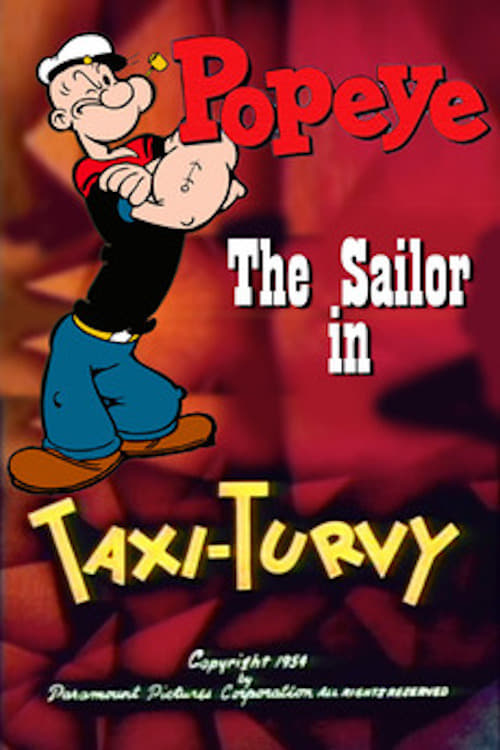
1954
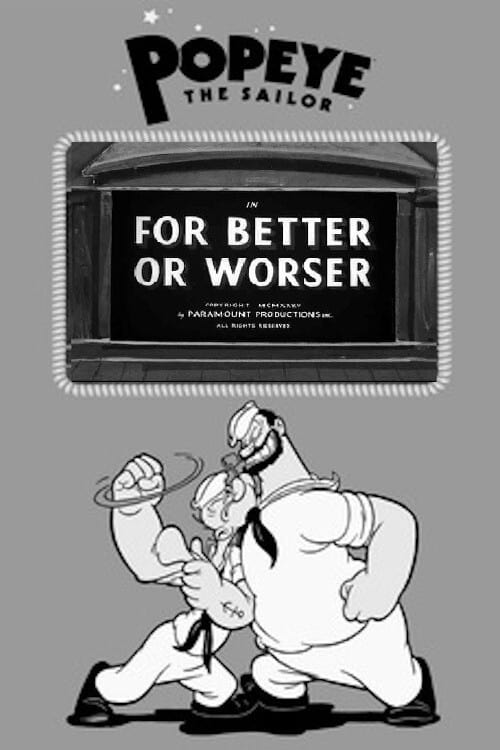
1935
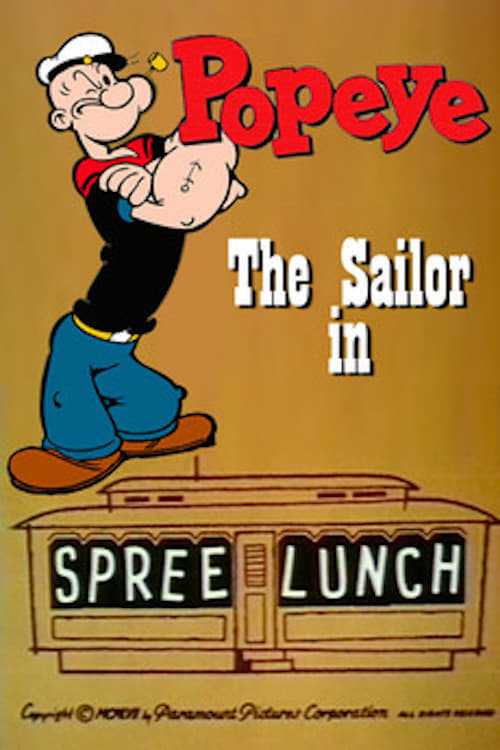
1957
1937
No reviews yet. Be the first to share your thoughts on this movie!
Use the rating form above to leave a star rating and optional review.