Ahmed's Song
2019
No user ratings available yet
Diversity score: 5.8 out of 10
2005
Director
Royston Tan
Runtime
88 minutes
Average Rating
No ratings yetSynopsis
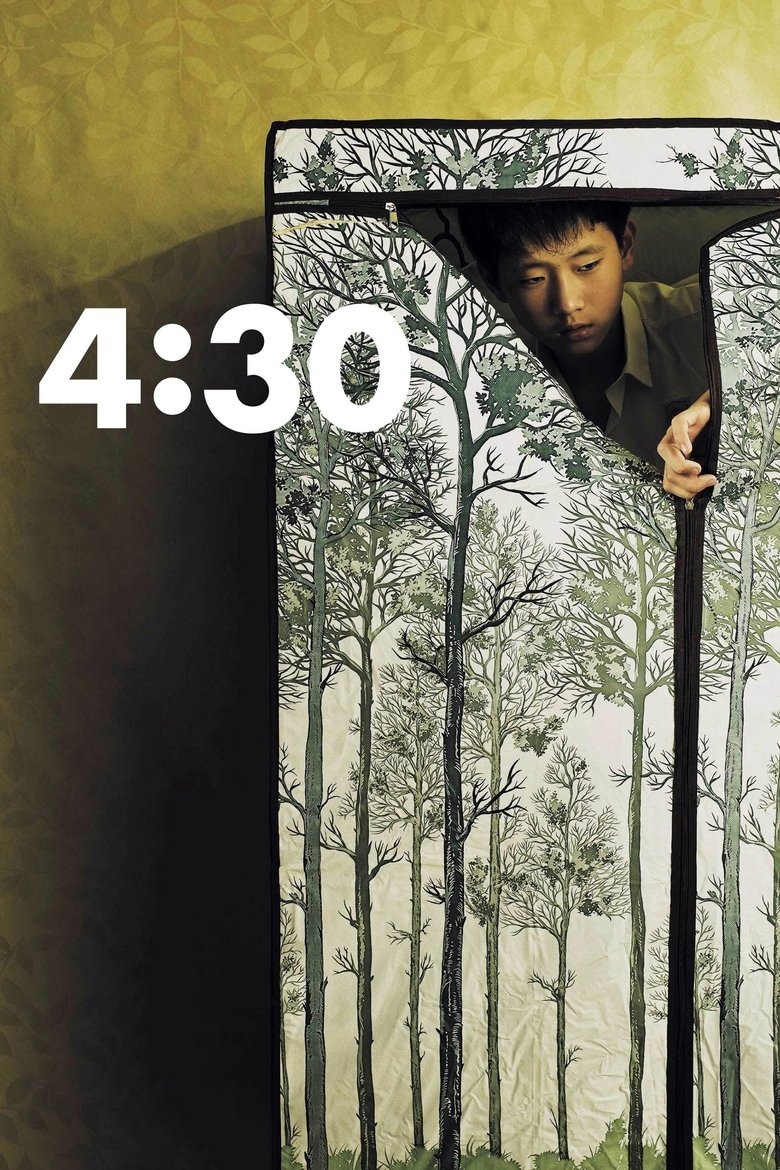
Longing for human contact Xiao Wu tries all he can to make a connection through physical and metaphorical walls in that hour between night and day.
Overall Score
Fair
Category Breakdown
LGBTQ+ Representation
The film lacks explicit depictions of same-sex intimacy or non-cisnormative identities. However, its focus on sensory longing avoids the rigid heteronormative tropes common in mainstream cinema.
Gender Representation
The narrative avoids traditional masculine hierarchies by centering the protagonist's emotional vulnerability. It disrupts conventional expectations of gendered agency through a focus on interiority rather than external strength.
Racial & Ethnic Diversity
The film offers an authentic depiction of the Chinese-Singaporean experience. It prioritizes regional identity and a localized urban context, avoiding the homogenized Western norms found in global cinema.
Religious & Cultural Diversity
The story leans toward a secular, existentialist worldview centered on liminality and memory. It departs from structured, goal-oriented Western traditionalism by prioritizing subjective, postmodern experiences.
Disability Representation
There is no clear evidence of physical or neurodivergent disability portrayals. While the film explores emotional isolation and psychological longing, it lacks specific depictions of disability.
Strengths
Areas for Improvement
AI Analysis
Royston Tan’s *4:30* succeeds as a localized piece of cinema, offering a grounded and authentic look at Chinese-Singaporean life. By eschewing Western narrative structures in favor of sensory experience, the film provides a meaningful alternative to mainstream storytelling. However, the film lacks high-visibility markers of identity politics. The absence of explicit LGBTQ+ representation and specific disability portrayals limits its impact in those categories, keeping the overall score moderate. Ultimately, the film's strength lies in its subversion of gendered power dynamics and its commitment to a specific cultural milieu, even if it remains quiet on overt social representation.
2019
2020

2012
2013
2012
2006
2014
1999
2013
2011

2012
2007
No reviews yet. Be the first to share your thoughts on this movie!
Use the rating form above to leave a star rating and optional review.