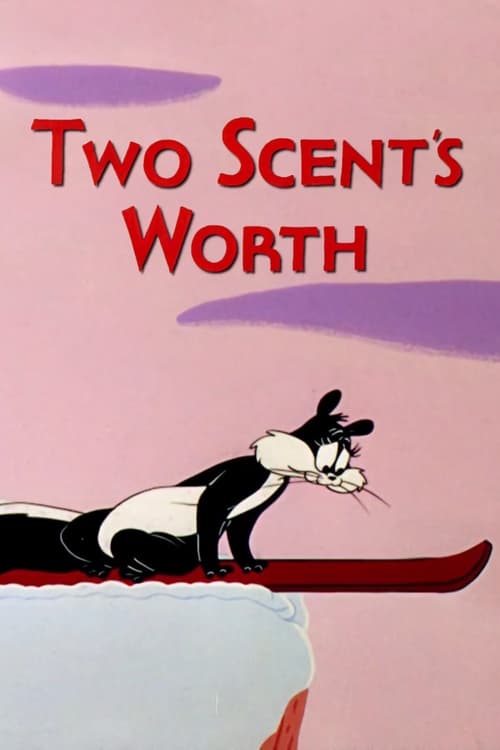
Two Scent's Worth
1955
No user ratings available yet
Representation score: 1.6 out of 10
Representation Score
Limited
1945
ApprovedDirector
Chuck Jones
Runtime
7 minutes
Average Rating
No ratings yetNew Showbiz Analysis
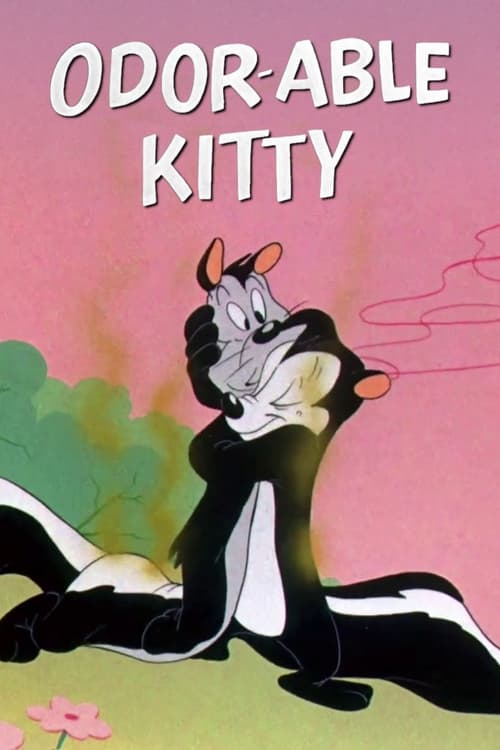
Odor-Able Kitty relies on classic slapstick and anthropomorphic characters to drive its narrative. While the protagonist's decision to masquerade as a skunk creates a unique social dynamic, these elements are framed through comedic clichés rather than intentional social commentary. The film lacks meaningful representation across most categories, adhering to the homogeneous animation standards of 1945. Any subversion of identity or sensory experience is utilized for physical gags rather than character depth. Ultimately, the work functions as a technical exercise in comedy, lacking the systemic intentionality required to address identity, race, or disability in a progressive manner.
Category Breakdown
There is a romantic subplot where the protagonist's disguise leads to courtship with another character of the same perceived species. However, this interaction is based on comedic deception rather than an exploration of LGBTQ identity.
Gender dynamics are mostly neutralized through the use of anthropomorphic characters. The film focuses on species-based identity and physical humor rather than challenging traditional masculine or feminine roles.
The film lacks racial or ethnic diversity, featuring a homogeneous cast of animal characters. There are no visible metaphors for racial blending or diverse identities within the setting.
The narrative follows traditional mid-century comedic structures. While the protagonist's disguise touches on themes of social assimilation, the film avoids critiques of Western institutions or systemic power.
The protagonist's extreme sensitivity to smell is used as a sensory characteristic. This is employed strictly for slapstick humor rather than a meaningful portrayal of neurodivergence or disability.
Present on Screen
Limited or Absent
Official Synopsis
A cat, tired of being abused by everyone in his neighborhood, disguises himself as a skunk and inadvertently attracts the romantic advances of a real skunk.
1955
1951
1954
1953
1947
1956
1952
1955
No reviews yet. Be the first to share your thoughts on this movie!
Use the rating form above to leave a star rating and optional review.