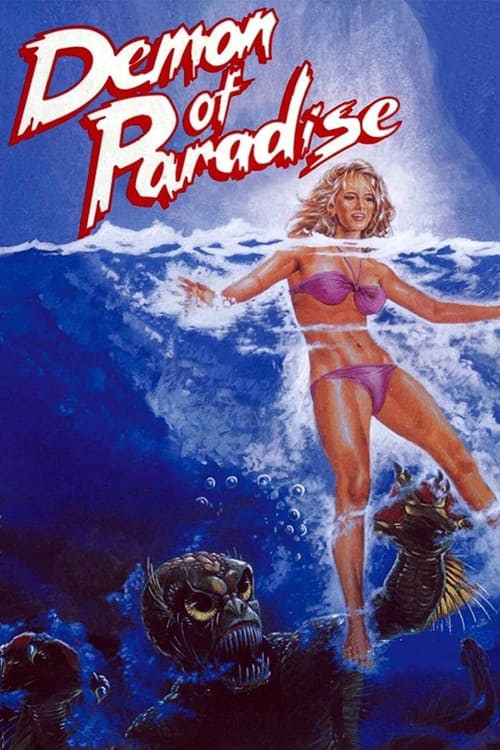
Demon of Paradise
1987
No user ratings available yet
Diversity score: 2.1 out of 10

1946
NRDirector
Sam Newfield
Runtime
59 minutes
Average Rating
No ratings yetSynopsis
A demented archaeologist discovers a living, breathing serpent creature known to the Aztecs as Quetzalcoatl and accidentally kills his wife by giving her one of the beast's feathers, causing the creature to track her down and slaughter her. Using this knowledge he exacts revenge upon his enemies by placing one of the feathers on his intended victim and letting the beast loose to wreak havoc.
Overall Score
Minimal
Category Breakdown
LGBTQ+ Representation
The film adheres to 1940s heteronormative standards. There is no presence of non-cisnormative identities or same-sex intimacy.
Gender Representation
Gender hierarchies are strictly traditional. The male protagonist drives the action, while female characters remain passive victims or catalysts for his vengeance.
Racial & Ethnic Diversity
The Mexican setting and Aztec mythology serve as a backdrop for a Western protagonist. It lacks deep, agentic roles for non-Anglo characters.
Religious & Cultural Diversity
Indigenous mythology is viewed through a colonialist lens. The Aztec legend is treated as a mystery for a Western scholar to unearth.
Disability Representation
There are no depictions of physical or neurodivergent disabilities. Character motivations stem from psychological obsession rather than lived disability experiences.
Strengths
Areas for Improvement
AI Analysis
The Flying Serpent is a quintessential mid-century B-movie that prioritizes a singular male perspective. The narrative structure relies on established genre tropes, focusing on a Western archaeologist's descent into vengeance rather than exploring diverse social perspectives. While the film utilizes Aztec mythology, it does so from a colonialist viewpoint. The cultural setting functions primarily as a site of mystery for the American protagonist, lacking intersectional depth or meaningful agency for local characters. Ultimately, the film reinforces the social hierarchies of its era. It lacks any intentional subversion of gender roles, LGBTQ+ representation, or disability visibility, remaining firmly rooted in a traditional, Western-centric framework.
1987
1946
1951
1963
1965
1974
1946
1960
1961

2004
1972

1972
No reviews yet. Be the first to share your thoughts on this movie!
Use the rating form above to leave a star rating and optional review.