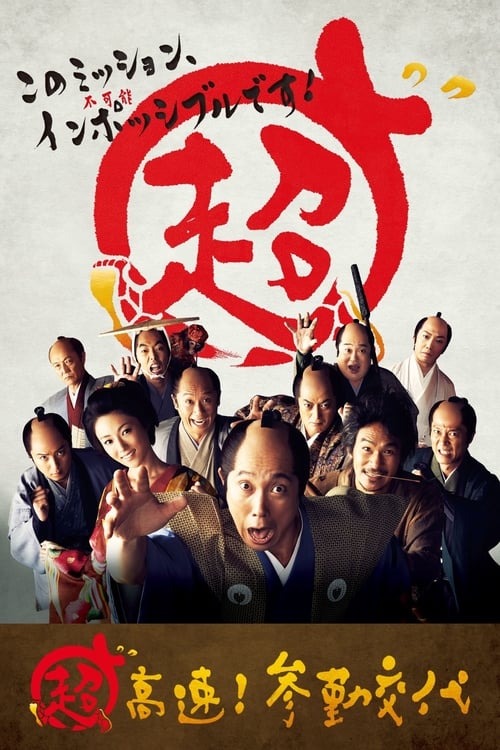
Samurai Hustle
2014
No user ratings available yet
Diversity score: 3.0 out of 10
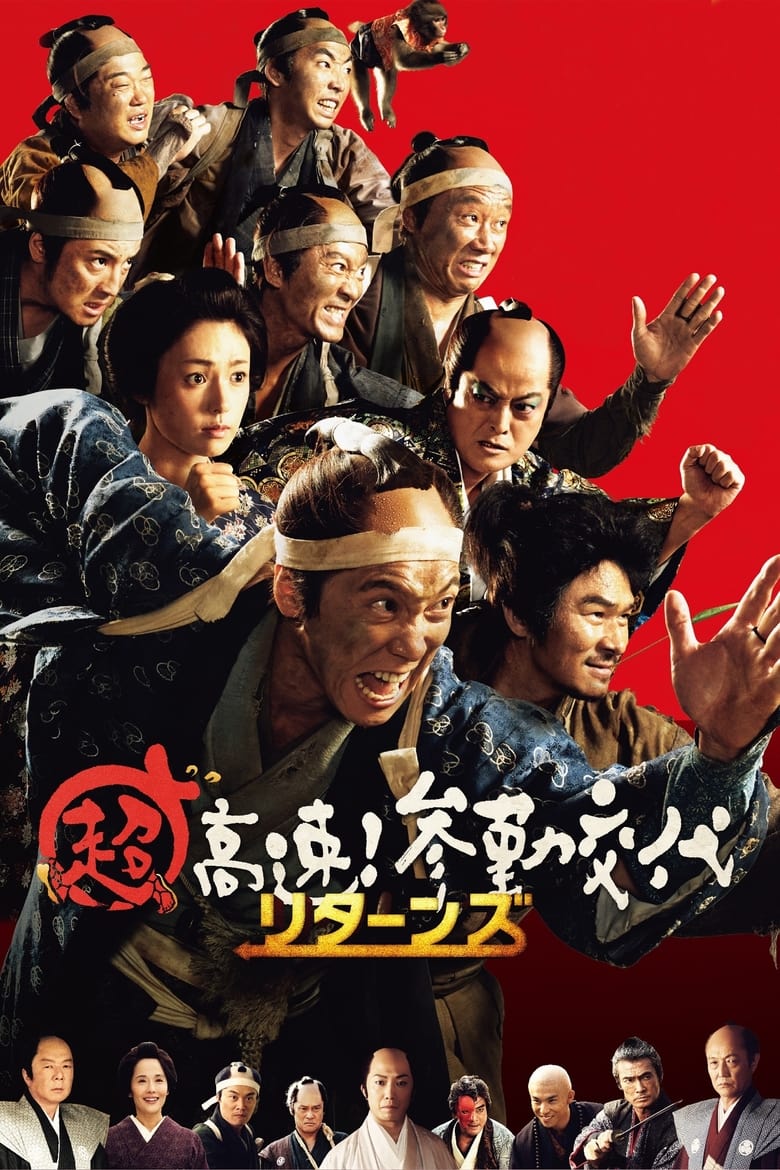
2016
Director
Katsuhide Motoki
Runtime
119 minutes
Average Rating
No ratings yetSynopsis
Masaatsu Naito successfully completes Sankin-kotai (required ritual to visit the shogun). On his way home, he hears that an insurrection by peasants has taken place in his hometown of Yunagaya. Masaatsu Naito knows that it is a counterattack by Matsudaira. He returns to Yunagaya, but finds that his castle is gone.
Overall Score
Limited
Category Breakdown
LGBTQ+ Representation
The film lacks evidence of LGBTQ+ characters or narratives. It operates within a historical framework that reinforces rigid social and familial structures.
Gender Representation
The story centers on the male-dominated samurai class and political movements. While Kyoko Fukada is a top-billed cast member, the narrative focus remains on the male protagonist.
Racial & Ethnic Diversity
Set in the Edo period, the film is inherently homogeneous. It explores internal Japanese class strata rather than multi-ethnic or cross-cultural interactions.
Religious & Cultural Diversity
The plot engages with the sankin-kōtai system and feudal political control. It uses historical friction for comedic momentum rather than deep institutional critique.
Disability Representation
There is no information regarding the inclusion of characters with physical or neurodivergent disabilities.
Strengths
Areas for Improvement
AI Analysis
Samurai Hustle Returns is a period comedy that prioritizes genre tropes and comedic timing over social subversion. The narrative is deeply rooted in the historical realities of the Edo period, which naturally limits the scope of diversity. The film focuses on class conflict between samurai and peasants, but this remains an internal Japanese social dynamic. It does not attempt to introduce multi-ethnic perspectives or non-cisnormative identities. Ultimately, the work functions as traditional entertainment. It reinforces the gendered and social hierarchies of its setting rather than providing an intersectional or subversive lens.
2014

2015

2016
1962
1970

2024

2015

2018
1957

2023

2000
2016
No reviews yet. Be the first to share your thoughts on this movie!
Use the rating form above to leave a star rating and optional review.