
Stormy Weather: The Music of Harold Arlen
2002
No user ratings available yet
Representation score: 5.7 out of 10
Representation Score
Good
1990
TV-GDirector
Ernest R. Dickerson
Runtime
86 minutes
Average Rating
No ratings yetNew Showbiz Analysis
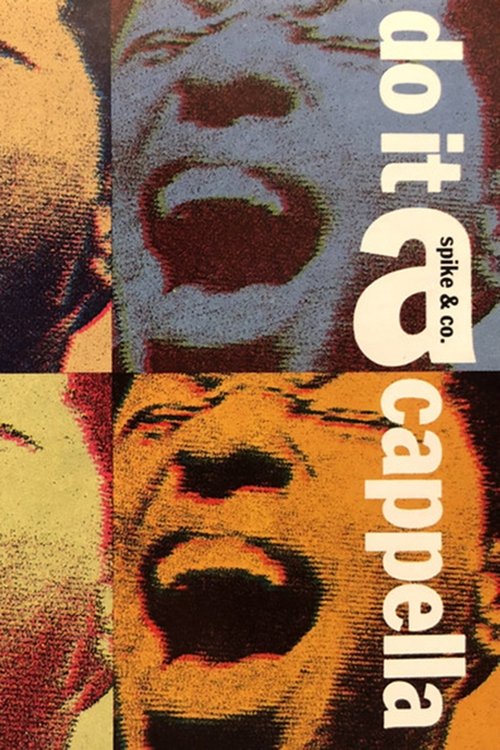
Spike & Co. Do It a-Cappella is a vital cultural document that challenges conventional musical media. By showcasing a wide array of vocal artists, the film elevates underrepresented traditions and celebrates Black ability to act through a sophisticated lens. The documentary's strength lies in its rejection of Western musical dominance. It goes beyond including someone from a minority group without giving them real depth to provide a platform for diverse artistry and non-Western perspectives. While the film excels in racial and cultural representation, it lacks specific focus on LGBTQ+ narratives or disability representation. Its primary focus remains on musical heritage and communal identity.
Category Breakdown
The documentary includes diverse vocal ensembles but does not provide detailed character arcs or romantic stories involving LGBTQ+ individuals.
The film challenges traditional musical hierarchies by focusing on female-led groups such as The Mint Juleps, showcasing their technical skills and vocal leadership.
The production highlights Black musical excellence and global traditions, featuring groups like Ladysmith Black Mambazo to de-center Anglo-centric norms.
The film emphasizes communal, organic art forms over commercialized Western pop, prioritizing collective harmony and global soulful traditions.
There is no specific evidence regarding the portrayal of physical or neurodivergent disabilities in this documentary.
Present on Screen
Limited or Absent
Official Synopsis
A 1990 PBS documentary around the topic of A cappella music. Artists that performed as part of the documentary include The Mint Juleps, Ladysmith Black Mambazo, Rockapella and The Persuasions. It also stars Spike Lee, Debbie Allen and a cameo appearance by Samuel L. Jackson.
2002
2018
2017
2005
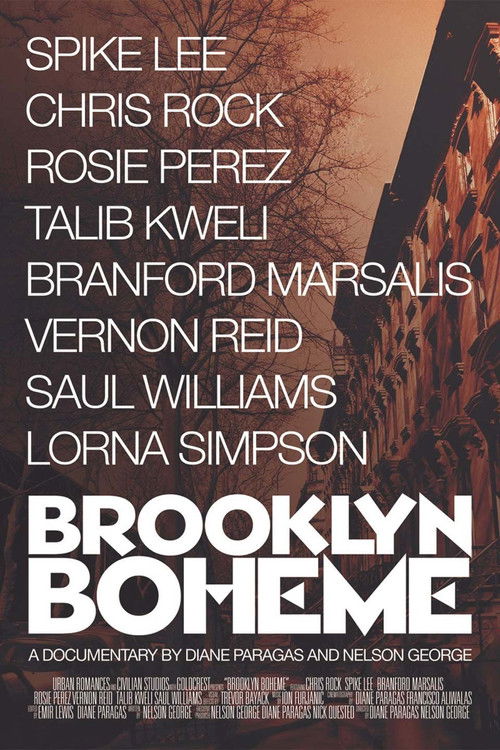
2012
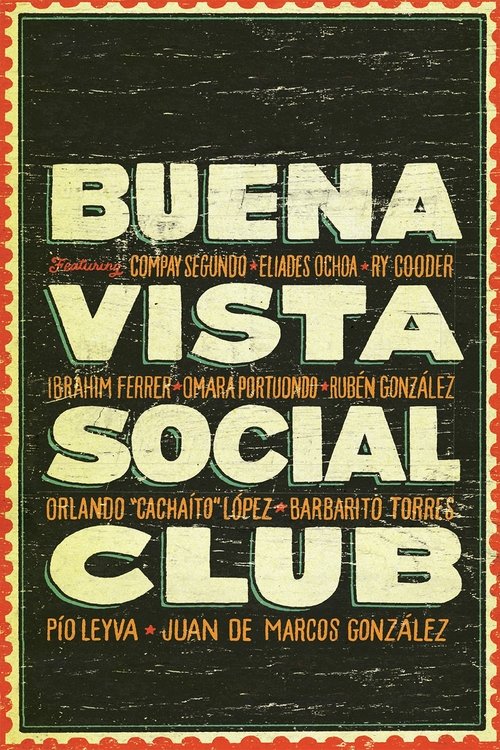
1999
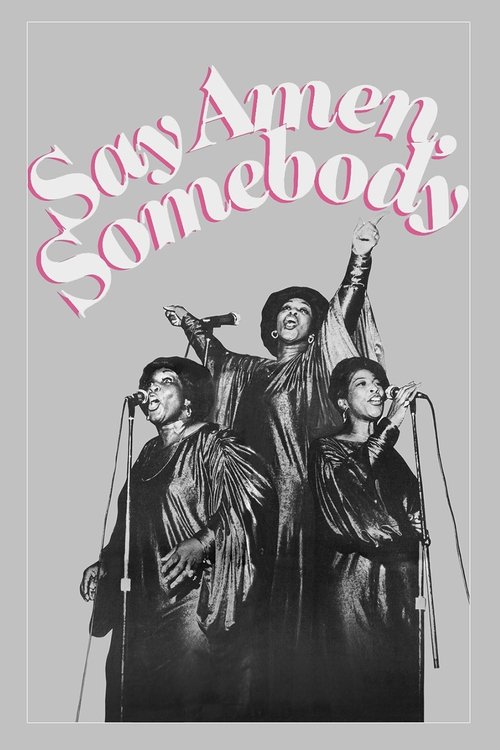
1983
2004
No reviews yet. Be the first to share your thoughts on this movie!
Use the rating form above to leave a star rating and optional review.