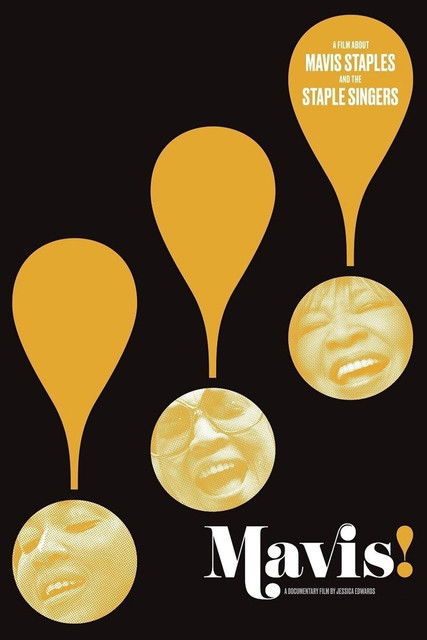
Mavis!
2015
No user ratings available yet
Representation score: 7.0 out of 10

Representation Score
Good
2014
TV-PGDirector
Mike Connolly
Runtime
60 minutes
Average Rating
No ratings yetNew Showbiz Analysis
This documentary offers a meaningful exploration of the intersection of gender and race by linking Roberta Flack's artistic rise to the broader struggle for racial equity. It successfully challenges conventional biographical clichés by focusing on the nuanced intersection of gender and race. The film excels at centering a Black female icon within the transformative context of the Civil Rights movement. It provides a vital look at how individual achievement intersects with systemic social movements. However, it lacks specific engagement with LGBTQ+ themes or disability representation.
Category Breakdown
The film does not include explicit references to LGBTQ+ characters or narratives. It focuses on the personal history of Roberta Flack.
The documentary highlights a woman's professional ability to act and creative dominance. Including voices like Cissy Houston reinforces a narrative space defined by female expertise and influence.
The film demonstrates high racial ability to act by centering a Black woman's experience during the Civil Rights movement. It prioritizes Black excellence through interviews with figures like Dionne Warwick.
By framing Flack's journey against the backdrop of the Civil Rights movement, the film explores cultural resilience. Soul music serves as a vehicle for exploring systemic identity and social resistance.
There is no evidence regarding the portrayal of physical or neurodivergent disabilities in this documentary.
Present on Screen
Limited or Absent
Official Synopsis
A documentary following the atypical path of soul singer Roberta Flack and her rise to fame, set against the turbulent backdrop of America's Civil Rights movement. Features interviews with Dionne Warwick, Johnny Mathis and Cissy Houston.
2015
2018

2019
2015
2015
2005
2016
1988
No reviews yet. Be the first to share your thoughts on this movie!
Use the rating form above to leave a star rating and optional review.