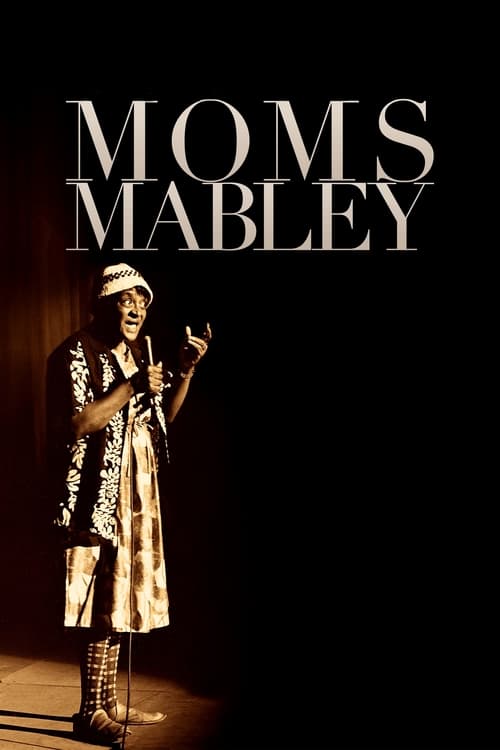
Whoopi Goldberg Presents Moms Mabley
2013
No user ratings available yet
Representation score: 6.7 out of 10
Representation Score
Good
2021
TV-14Director
Yoruba Richen
Runtime
120 minutes
Average Rating
No ratings yetNew Showbiz Analysis
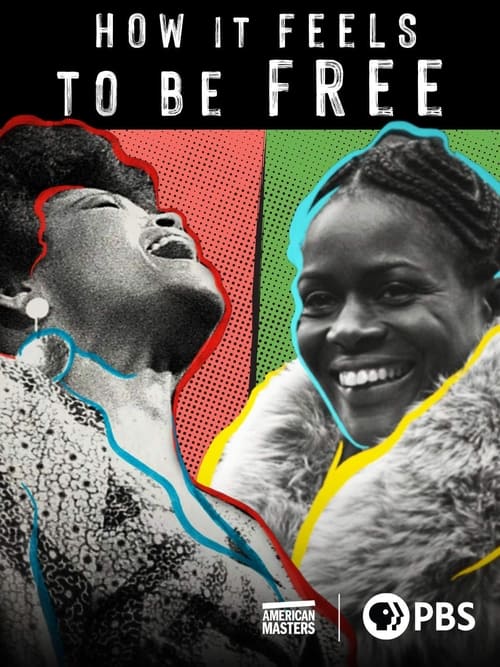
How It Feels to Be Free is a sophisticated exploration of the multi-layered experiences of Black women. By focusing on their ability to act, the film deconstructs the power dynamics of the mid-20th-century entertainment industry. The documentary effectively highlights how race, gender, and identity intersect to challenge dominant cultural hierarchies. However, it does not significantly address physical or neurodivergent disabilities.
Category Breakdown
The film explores how LGBTQ entertainers challenged traditional social norms and reclaimed their identities in spaces that historically demanded conformity.
The documentary highlights how six iconic women actively shaped their legacies, challenging traditional gender hierarchies and taking control of their stories.
This study focuses on Black women and how they used their platforms to challenge systemic racism and demand fair representation.
The film examines how Western institutions were used as tools of oppression, highlighting the tension between individual identity and restrictive social codes.
There is no significant evidence regarding the portrayal of physical or neurodivergent disabilities within the film.
Present on Screen
Limited or Absent
Official Synopsis
Tells the inspiring story of how six iconic African American female entertainers – Lena Horne, Abbey Lincoln, Nina Simone, Diahann Carroll, Cicely Tyson and Pam Grier – challenged an entertainment industry deeply complicit in perpetuating racist stereotypes, and transformed themselves and their audiences in the process.
2013
2018
2021

2017
2020
2009
2021
2015
No reviews yet. Be the first to share your thoughts on this movie!
Use the rating form above to leave a star rating and optional review.