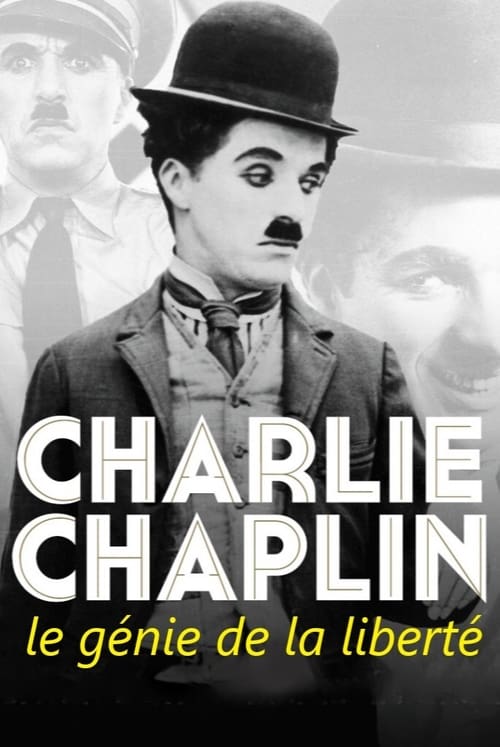
Charlie Chaplin, The Genius of Liberty
2020
No user ratings available yet
Representation score: 7.7 out of 10

Representation Score
Good
2003
TV-PGDirector
Richard Schickel
Runtime
132 minutes
Average Rating
No ratings yetNew Showbiz Analysis
Richard Schickel’s documentary serves as a sophisticated historical critique rather than a straightforward biography. It succeeds by framing Chaplin as a figure who challenged systemic power and institutional hierarchies. While the film lacks contemporary identity-based representation, it provides deep thematic value. It moves beyond hagiography to examine the socioeconomic and political pressures that shaped Chaplin's life and art.
Category Breakdown
The documentary focuses on Chaplin’s documented straight relationships and marriages. It lacks any focus on queer narratives or non-binary gender identities.
The narrative centers on a male protagonist, reflecting early 20th-century patriarchal structures. However, it critiques rigid gender roles by highlighting the instability of Chaplin's personal life.
The film explores how the 'Little Tramp' became a universal archetype. It acknowledges Chaplin's work's international impact and diverse casts that transcended ethnic boundaries.
The film excels by analyzing Chaplin’s engagement with anti-capitalist themes and his conflict with state authority. It frames his career as a critique of oppressive Western institutions.
The documentary examines how childhood poverty and working-class struggles influenced Chaplin's cinematic language. It uses the 'underdog' persona to explore physical and social vulnerability.
Present on Screen
Limited or Absent
Official Synopsis
Brilliant, long in-the-works story of the life and art of the world's greatest comedian and the cinema's first genius, Charlie Chaplin. Produced, written and directed by renowned film critic Richard Schickel.
2020

2018

2021

2011

1976
2018
1967
1992
No reviews yet. Be the first to share your thoughts on this movie!
Use the rating form above to leave a star rating and optional review.