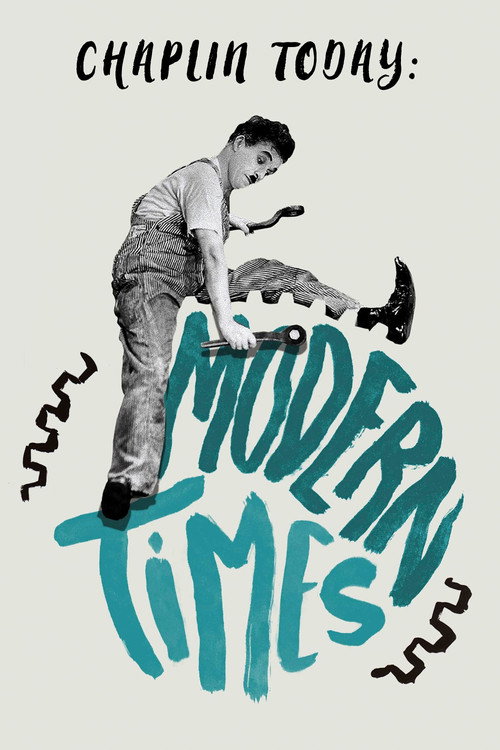
Chaplin Today: Modern Times
2003
No user ratings available yet
Representation score: 8.0 out of 10
Representation Score
Fair
2003
Director
Serge Bromberg
Runtime
26 minutes
Average Rating
No ratings yetNew Showbiz Analysis
Serge Bromberg’s documentary serves as a technical and historical retrospective of Charlie Chaplin’s artistry. It provides depth to the character dynamics of the original film, particularly regarding visual impairment and the emotional use of sound. However, the film remains rooted in a classical, traditional appreciation of cinema history. The narrative prioritizes Chaplin's creative control and the technical evolution of the medium over contemporary perspectives that reflect multiple aspects of identity. Ultimately, the documentary reflects the historical era it studies, limiting its scope regarding racial, gender, and LGBTQ+ representation.
Category Breakdown
The documentary focuses on technical film transitions and Chaplin's creative control. It does not include explicit depictions of queer narratives or non-traditional gender identities.
The narrative emphasizes Chaplin's creative control and mastery of slapstick humor. Despite featuring a female lead in the original film, the documentary centers on Chaplin's superstar status.
The content is limited by the historical homogeneity of the late 1920s film industry. There is no effort to highlight multi-layered racial dynamics.
The film celebrates individual genius and Western views of artistic merit. It focuses on cinematic preservation rather than diverse cultural critiques.
The documentary explores the emotional resonance of the Blind Girl character. It examines how Chaplin used music and physical comedy to navigate her visual impairment.
Present on Screen
Limited or Absent
Official Synopsis
In 1928, as the talkies threw the film industry and film language into turmoil, Chaplin decided that his Tramp character would not be heard. City Lights would not be a talking picture, but it would have a soundtrack. Chaplin personally composed a musical score and sound effects for the picture. With Peter Lord, the famous co-creator of Chicken Run and Wallace & Gromit, we see how Chaplin became the king of slapstick comedy and the superstar of the movies.
2003
1926
2003
2022
2003
1953

2003
2020
No reviews yet. Be the first to share your thoughts on this movie!
Use the rating form above to leave a star rating and optional review.