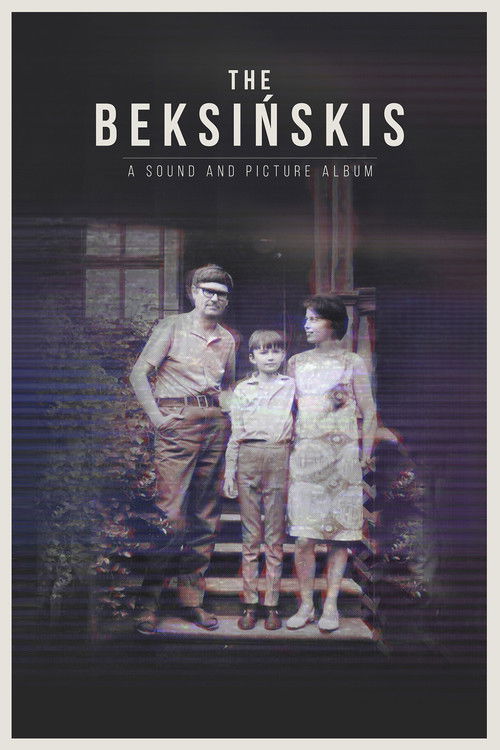
The Beksińskis. A Sound and Picture Album
2017
No user ratings available yet
Representation score: 6.7 out of 10
Representation Score
Fair
2018
TV-MADirector
Irek Dobrowolski
Runtime
104 minutes
Average Rating
No ratings yetNew Showbiz Analysis
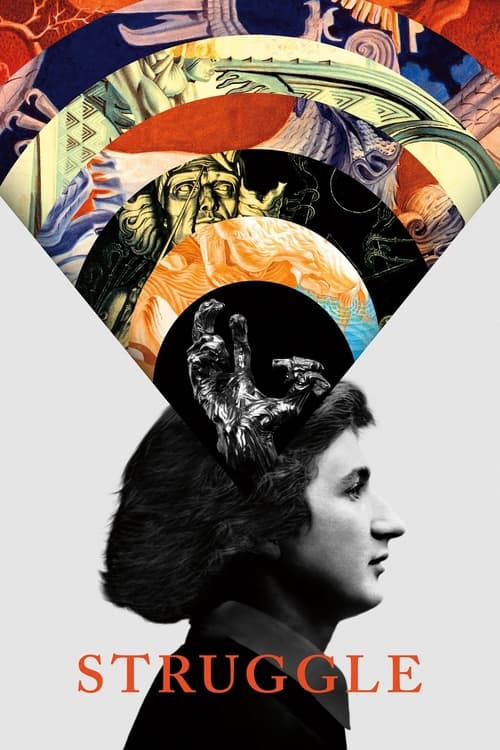
Struggle: The Life and Lost Art of Szukalski is a specialized biographical work that prioritizes philosophical complexity over broad demographic representation. It challenges the dominance of Western art narratives by focusing on a Polish immigrant's unique cultural identity. However, the film lacks significant engagement with LGBTQ+ or gender-diverse perspectives. The narrative structure relies heavily on the traditional lone male genius archetype, which limits the scope of its social representation. Ultimately, the documentary's strength lies in its postmodern approach to history. It questions the reliability of official historical records through the friction between an individual and academic institutions.
Category Breakdown
The documentary focuses solely on the life and art of Szukalski and does not include any LGBTQ+ characters or narratives about non-cisgender identities.
The story centers around a single male figure, emphasizing a traditional biography. This focus on the lone male genius archetype limits the exploration of diverse gender perspectives.
The film highlights the Polish immigrant experience and non-Anglo-Saxon heritage. It showcases a non-Western creator navigating the American art scene, challenging the dominance of Western art traditions.
The documentary excels by examining moral relativism and questioning historical certainties. It critiques the roles of traditional Western cultural authorities through Szukalski's personal mythology.
The portrayal emphasizes the 'tortured artist' cliché, depicting Szukalski's temperament through psychological complexity. This sometimes romanticizes mental instability rather than showing empowerment through disability.
Present on Screen
Limited or Absent
Official Synopsis
Artists in LA discover the work of forgotten Polish sculptor Stanislav Szukalski, a mad genius whose true story unfolds chapter by astounding chapter.
2017
2021

2009

2018
1955
2022

2017
2012
No reviews yet. Be the first to share your thoughts on this movie!
Use the rating form above to leave a star rating and optional review.