Gece
2014
No user ratings available yet
Diversity score: 5.6 out of 10
1993
Director
Erden Kıral
Runtime
108 minutes
Average Rating
No ratings yetSynopsis
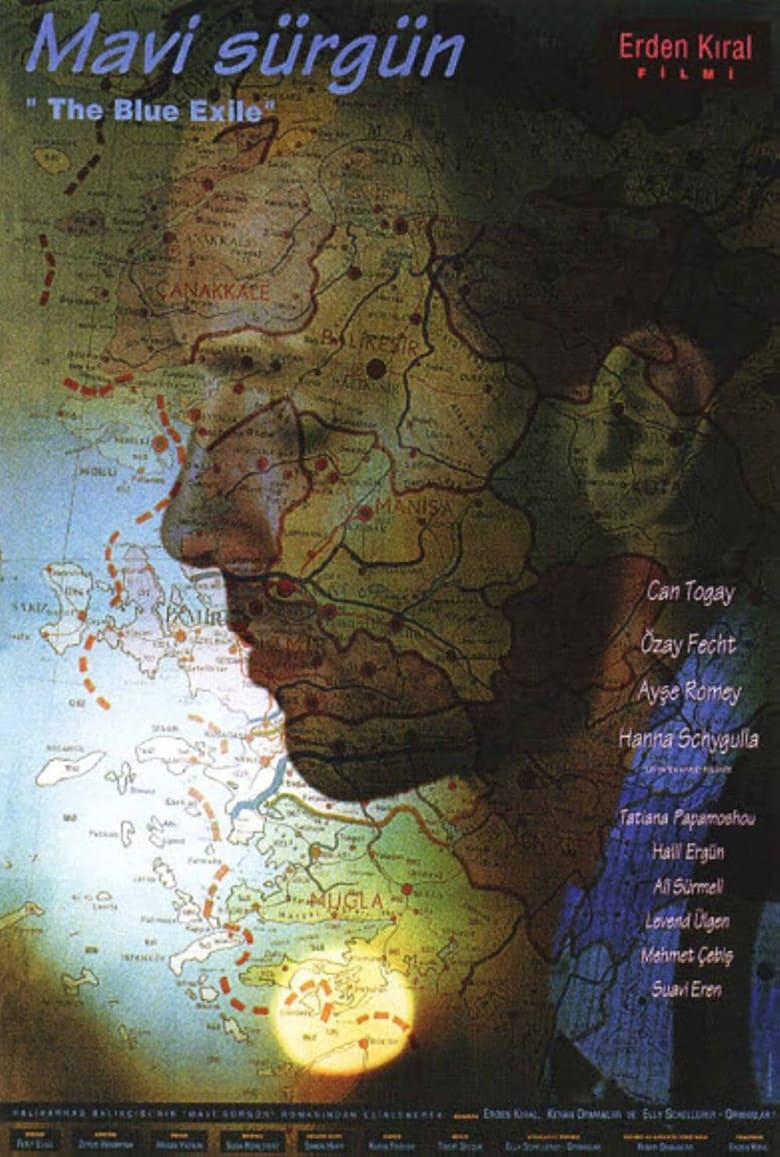
Mavi Sürgün is a fictionalized account of one period of the life of a Turkish journalist who was condemned to exile for an article he wrote in 1925. He turned his punishment into a reward by creating a little paradise in what is today the holiday resort, Bodrum. In fact he is considered by some to be the first ecologist. The film concentrates on this latter aspect of his character and through flashbacks portrays the inner turmoil of a man who is trying to come to terms with his past. The slow pace is somewhat of a drawback, the flashbacks are often confusing and the protagonist is not always very convincing. But the photography of the country side is exceptional Kenan Ormanlar and the short appearance by a very theatrical Hanna Schygulla of Fassbinder fame adds a little spice to the drama.
Overall Score
Fair
Category Breakdown
LGBTQ+ Representation
The film focuses on the protagonist's internal struggle and his connection to nature. There is no explicit evidence of LGBTQ+ character arcs or the subversion of heteronormative structures.
Gender Representation
The narrative prioritizes a male protagonist's journey of exile and intellectual pursuit. While Hanna Schygulla provides international cinematic weight, the story centers on the male experience of political consequence.
Racial & Ethnic Diversity
By centering on a Turkish journalist and the specific history of 1925 Turkey, the film offers a localized perspective. It moves away from Western-centric narratives to focus on Turkish intellectual history.
Religious & Cultural Diversity
The film reframes state-imposed exile as a transformative, spiritual liberation. It celebrates a non-conformist existence by portraying the protagonist's ecological paradise as a response to political condemnation.
Disability Representation
There is no discernible focus on physical or neurodivergent disabilities within the narrative.
Strengths
Areas for Improvement
AI Analysis
The Blue Exile is a sophisticated character study that deconstructs the relationship between the individual and the state. It uses a non-linear structure to explore how systemic displacement can foster personal enlightenment and ecological awareness. While the film lacks contemporary identity politics, it aligns with progressive traditions by prioritizing subjective truth over institutional dogma. It successfully challenges traditional power dynamics by reframing political punishment as a catalyst for autonomy. However, the film's focus remains heavily centered on the male intellectual experience, leaving significant gaps in gender and LGBTQ+ representation.
2014
1983
2017
2009
1989
1992
2008
2003
1992
1990
1980
2012
No reviews yet. Be the first to share your thoughts on this movie!
Use the rating form above to leave a star rating and optional review.