
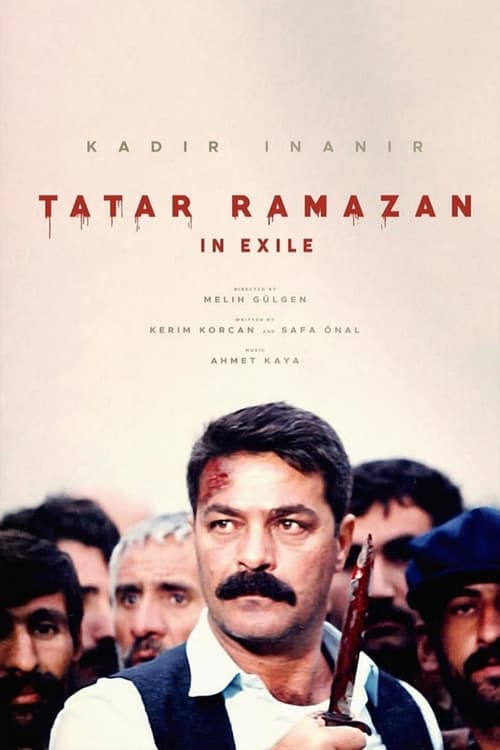
Tatar Ramazan
1990
No user ratings available yet
Representation score: 4.5 out of 10
Representation Score
Fair
1992
Director
Melih Gülgen
Runtime
0 minutes
Average Rating
No ratings yetNew Showbiz Analysis
Tatar Ramazan Sürgünde is a social drama that centers on dismantling local power structures rather than diverse identity representation. The film uses ethnic identity to challenge social homogeneity but remains confined to a masculine framework, offering little visibility for gender or LGBTQ+ diversity. The film's strength lies in its critique of institutional corruption and class struggle. It portrays the protagonist as a force for change against oppressive systems.
Category Breakdown
The film does not explicitly show non-binary or LGBTQ+ relationships. The story focuses on fighting against a feudal prison system.
Men play key roles in the story, which challenges traditional power structures through a male-led rebellion rather than breaking down gender hierarchies.
The film highlights ethnic identity by focusing on a Tatar character who disrupts the prison's homogeneous structure.
The story presents the protagonist as a liberator for the oppressed, critiquing corrupt power structures. It addresses systemic harm and traditional authority.
There is no clear depiction of physical or neurodivergent disabilities in the film.
Present on Screen
Limited or Absent
Official Synopsis
In the sequel to Tatar Ramazan, the events begin with Ramazan's arrival at the Adana closed prison. Abdurrahman Çavuş, who has established a feudal system in prison for years, and his right-hand man Akseli Bey have oppressed the prisoners. When Tatar Ramazan's reputation reaches the prison, the two worry that the cycle of robbery will come to an end. Their fears are justified. The oppressed prisoners, however, see Ramazan as their savior.
1990

1982

1984

1997
1993
1989

2014

1999
No reviews yet. Be the first to share your thoughts on this movie!
Use the rating form above to leave a star rating and optional review.