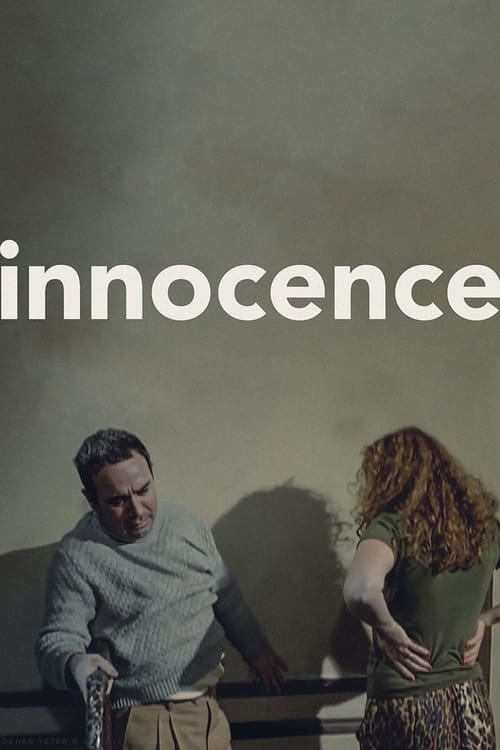
Innocence
1997
No user ratings available yet
Representation score: 5.7 out of 10

Representation Score
Fair
1989
Director
Tunç Başaran
Runtime
90 minutes
Average Rating
No ratings yetNew Showbiz Analysis
Tunç Başaran’s drama offers a humanistic look at how systemic structures disrupt traditional family units. By placing a child in a carceral environment, the film challenges the perceived benevolence of state institutions. The film excels in its cultural critique, using the relationship between a child and a political prisoner to challenge legal rigidity. It moves beyond simple moralism to examine the tension between individuals and the state. While the film subverts traditional gender and family roles, it lacks specific representation regarding LGBTQ+ identities or disability. It remains a focused social-realist critique of institutional authority.
Category Breakdown
The film examines unconventional social bonds that differ from typical family structures but does not confirm specific LGBTQ+ identities or stories.
The story focuses on a mother's struggle within a systemic framework, shifting attention from patriarchal dominance to a more nuanced matriarchal perspective.
As a Turkish production, the film provides a perspective outside of Western dominance. However, specific racial dynamics within the cast are not explicitly detailed.
The narrative strongly critiques state authority and traditional legal morality, prioritizing human experience and social critique over institutional stability and moral absolutism.
There is no mention of visible or invisible disabilities within the provided narrative context.
Present on Screen
Limited or Absent
Official Synopsis
Sent to prison along with his mother after her drug conviction, a young boy develops a warm, tender relationship with a political prisoner.
1997
1982

2008

2001

2015

1983
1998
1989
No reviews yet. Be the first to share your thoughts on this movie!
Use the rating form above to leave a star rating and optional review.