Mary Shelley
2017
No user ratings available yet
Representation score: 6.8 out of 10
Representation Score
Limited
1994
RDirector
Kenneth Branagh
Runtime
123 minutes
Average Rating
No ratings yetNew Showbiz Analysis
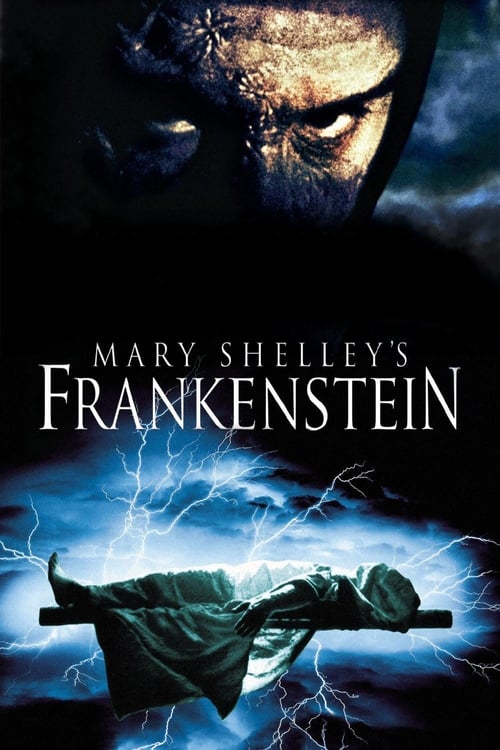
Kenneth Branagh’s adaptation operates as a classical tragedy that deconstructs the 'hero' archetype. It complicates moral certainties by fostering empathy for the socially underrepresented Creature and challenging established religious authority. However, the film remains anchored to the social hierarchies of its historical period. It upholds traditional norms regarding gender, race, and sexual orientation, limiting its broader representational scope. Ultimately, while the film provides a sophisticated critique of Western stability and the 'Great Man' theory, it does so within a narrow demographic framework.
Category Breakdown
The film sticks to traditional heterosexual relationships, focusing on Victor and Elizabeth's bond and offering no representation of LGBTQ+ identities or same-sex relationships.
The story centers on male scientific endeavors, often relegating female characters to reactive roles within domestic settings. Elizabeth and Justine play crucial emotional roles but are primarily casualties of Victor's obsession.
Reflecting its European setting, the cast is uniformly white, with no representation of diverse ethnic backgrounds.
The film challenges binary morality by portraying the Creature as a victim of social exclusion. It questions traditional religious beliefs by presenting scientific inquiry as a transformative force.
The Creature's condition is portrayed through horror clichés rather than nuanced disability. His form serves as a catalyst for conflict rather than a detailed exploration of his experiences.
Present on Screen
Limited or Absent
Official Synopsis
Victor Frankenstein is a promising young doctor who, devastated by the death of his mother during childbirth, becomes obsessed with bringing the dead back to life. His experiments lead to the creation of a monster, which Frankenstein has put together with the remains of corpses. It's not long before Frankenstein regrets his actions.
2017
1935
2015
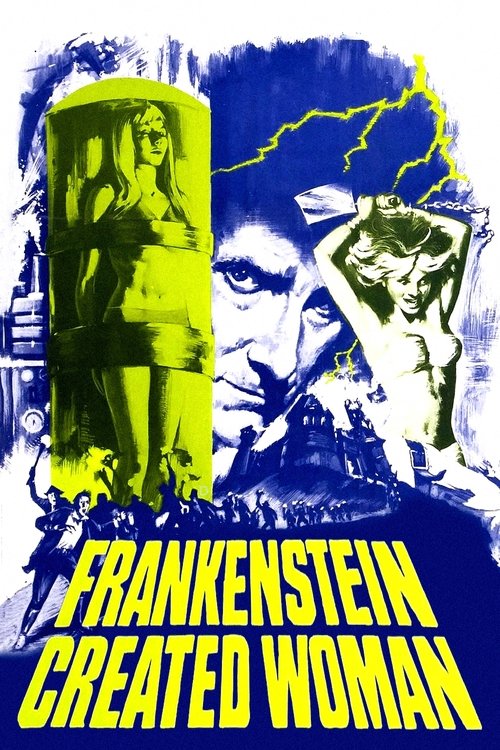
1967
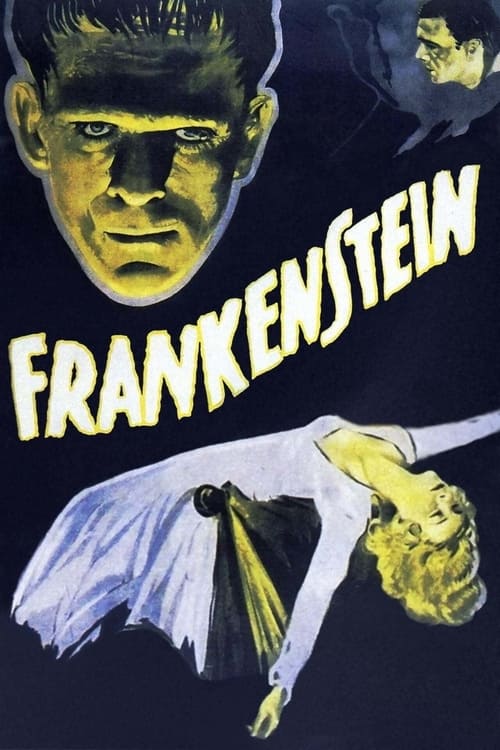
1931
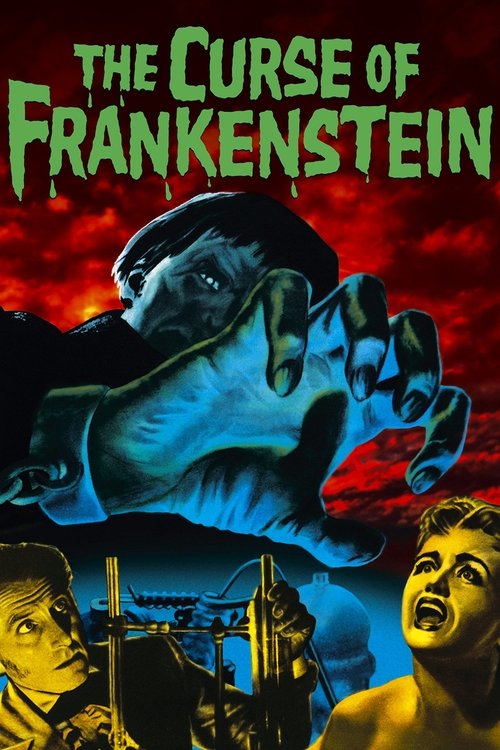
1957
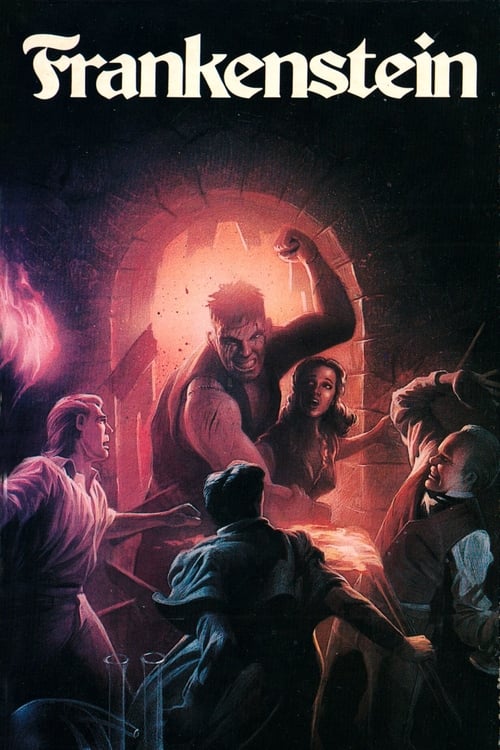
1984

1931
No reviews yet. Be the first to share your thoughts on this movie!
Use the rating form above to leave a star rating and optional review.