Bala de Plata en el pueblo maldito
1960
No user ratings available yet
Representation score: 1.4 out of 10
Representation Score
Limited
1966
NRDirector
Hugo Fregonese
Runtime
112 minutes
Average Rating
No ratings yetNew Showbiz Analysis
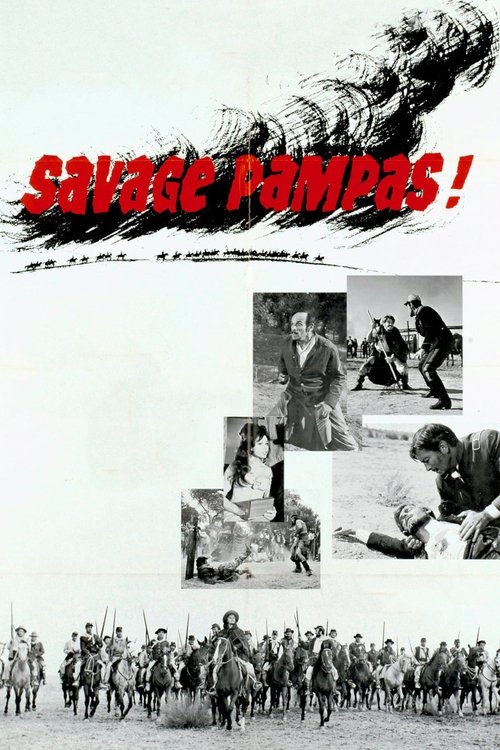
Savage Pampas is a mid-century adventure drama that adheres to the conventions of the Western genre. Although it deviates from the typical American Western setting by placing the story in South America, it still relies on traditional narrative structures. The film's strength lies in its South American setting and the ethnic complexity introduced by Anthony Quinn's casting. However, the narrative architecture is heavily focused on male-centric power structures and traditional masculine archetypes, which limits its potential to challenge social hierarchies. Ultimately, Savage Pampas serves primarily as a character-driven exploration of masculine archetypes and institutional tensions, rather than a vehicle for social deconstruction.
Category Breakdown
The film does not include any LGBTQ+ characters or narratives, sticking to traditional 1960s social norms centered around masculinity and survival themes.
The story focuses on an army captain and a group of gauchos, creating a male-dominated power structure. It emphasizes traditional masculine leadership and rugged individualism.
Set in Argentina and featuring Anthony Quinn, the film offers a more diverse background compared to typical Westerns. However, it does not give a significant role in driving the story to non-white characters.
The movie explores the conflict between military institutions and outlaw life, but it does not offer a critical post-colonial perspective.
The film does not feature any characters with visible or invisible disabilities playing central roles or serving as significant plot devices.
Present on Screen
Limited or Absent
Official Synopsis
An army captain in Argentina learns why his lonely men are deserting to an outlaw's gaucho gang.
1960

1964
1972
1969
1957

1952
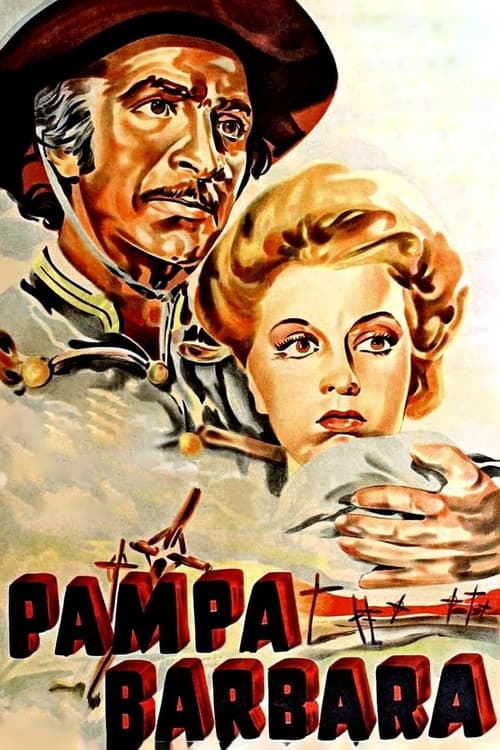
1945
1960
No reviews yet. Be the first to share your thoughts on this movie!
Use the rating form above to leave a star rating and optional review.