Bala de Plata en el pueblo maldito
1960
No user ratings available yet
Representation score: 1.4 out of 10
No Poster Available
Representation Score
Minimal
1960
TV-14Director
Benito Alazraki
Runtime
70 minutes
Average Rating
No ratings yetNew Showbiz Analysis
The film is a typical mid-century Western that emphasizes genre clichés over social challenges. While it avoids the total homogeneity of many Westerns of this era by using a multicultural cast and a Mexican setting, it remains firmly rooted in the era's social hierarchies. The narrative ability to act is heavily gendered, favoring masculine archetypes and traditional roles. The focus on a prize firearm drives conflict but does not explore diverse cultural or social identities further. Overall, the film represents 1960s cinema, offering a cross-cultural backdrop without challenging the established norms of the period.
Category Breakdown
The film does not include any identifiable LGBTQ+ characters or stories. Relationships focus on traditional romantic motivations.
The main character is a male protagonist who drives the story. Female characters mainly serve as romantic interests or motivators rather than plot drivers.
The film features a mix of Mexican and American actors, providing meaningful inclusion for the time. The setting in a Mexican town helps avoid total Anglo-centric homogeneity.
The story follows standard Western conventions focusing on individualistic justice, such as gunplay and personal honor. It does not delve into cultural critiques.
There are no visible or invisible disabilities depicted as central to the character arcs or narrative development.
Present on Screen
Limited or Absent
Official Synopsis
Fancy shooting-iron awarded as a prize in a marksmanship competition, passes from hand to hand.
1960
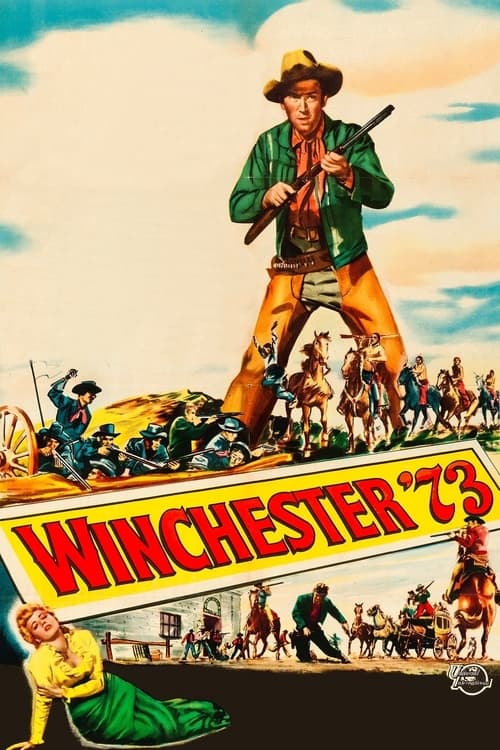
1950
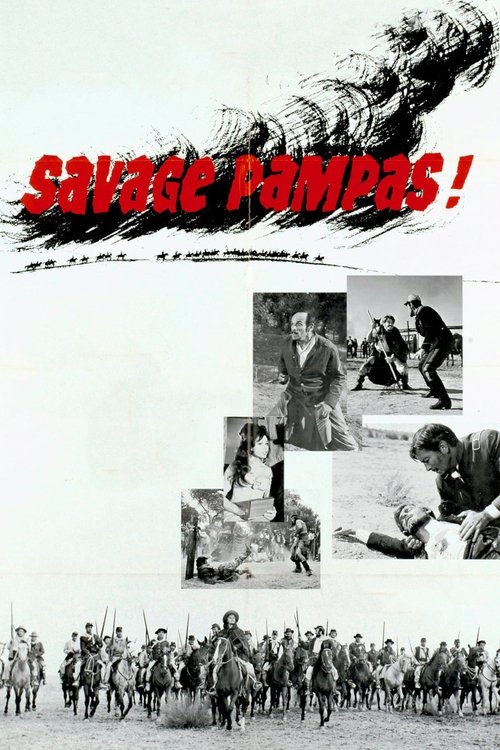
1966
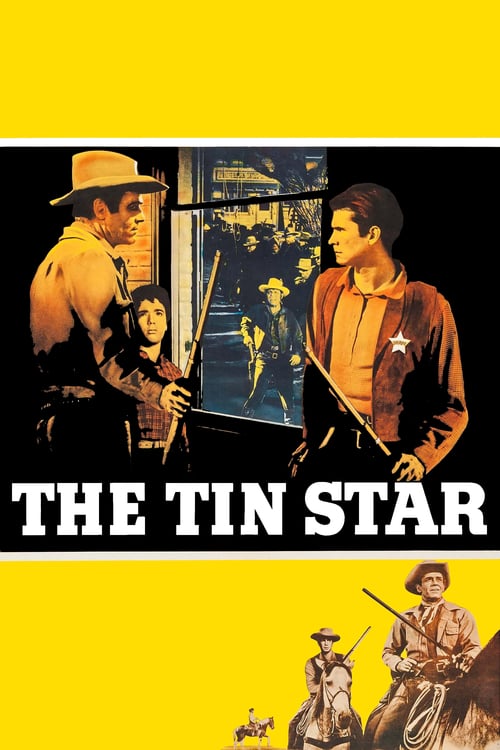
1957
1964
1975
1961
1943
No reviews yet. Be the first to share your thoughts on this movie!
Use the rating form above to leave a star rating and optional review.