The Turning Wind
1962
No user ratings available yet
Representation score: 5.9 out of 10
Representation Score
Good
1980
Director
Glauber Rocha
Runtime
152 minutes
Average Rating
No ratings yetNew Showbiz Analysis
Glauber Rocha’s film is a powerful act of cinematic resistance that dismantles the 'civilizing mission' of the West. It achieves this by radically reinterpreting religious symbolism to promote racial and cultural liberation rather than institutional dogma. The film's strength lies in its deliberate subversion of Eurocentric historical narratives. By focusing on Black, Indigenous, and revolutionary figures, it offers a direct counter-narrative to the systemic exploitation of the Global South. However, the film's reliance on masculine-coded archetypes and the absence of explicit queer or disability-related depictions limit its scope. While it challenges patriarchal authority, the narrative remains primarily focused on political and racial struggles.
Category Breakdown
The film's unconventional structure allows for a fluid sense of identity that challenges traditional views. However, there are no explicit scenes depicting queer relationships or non-straight identities.
The story focuses on traditionally masculine roles such as soldiers and guerrilla fighters. It challenges traditional hierarchies by showing leadership through fragmented, revolutionary, and destabilized figures instead of through patriarchal authority.
The film stands out by highlighting non-Anglo-Saxon identities through four distinct portrayals of Christ. This breaks Eurocentric religious imagery and gives significant power to underrepresented identities fighting against colonial erasure.
This work critiques Western dominance and capitalism by using religious allegory to empower the oppressed. It contrasts the tupiniquim lands against global exploitation.
There is no significant depiction of physical or neurodivergent disabilities in the narrative.
Present on Screen
Limited or Absent
Official Synopsis
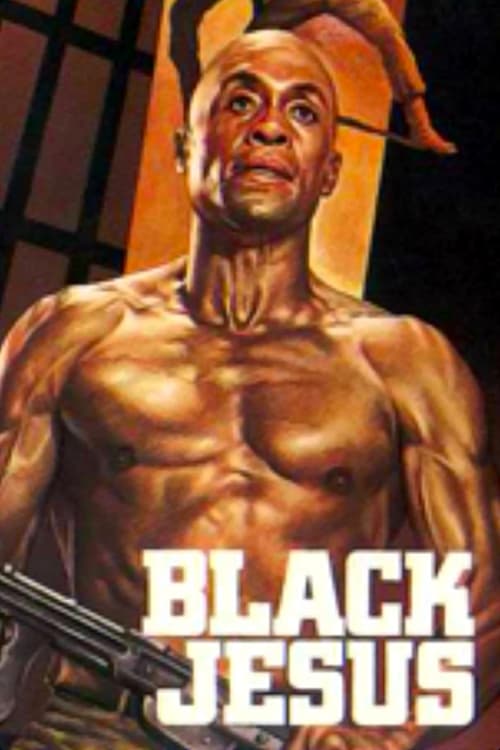
Drawing inspiration from a poem penned by Castro Alves, this film vividly captures the political, cultural, and intellectual climate of Brazil during the late 1970s. At its core, the story revolves around four distinctive embodiments of Christ's image: a black man, a soldier, an Indian, and a guerrilla fighter. These courageous individuals, hailed as the harbingers of doom in the tupiniquim lands, valiantly combat the insatiable avarice and oppressive "civilizing" brutality propagated by the formidable John Brahms—a foreign exploiter devoid of morals.
1962

1964

1970

1967
1970

1971
1968

1975
No reviews yet. Be the first to share your thoughts on this movie!
Use the rating form above to leave a star rating and optional review.