Xuan Zang
2016
No user ratings available yet
Representation score: 4.3 out of 10
Representation Score
Fair
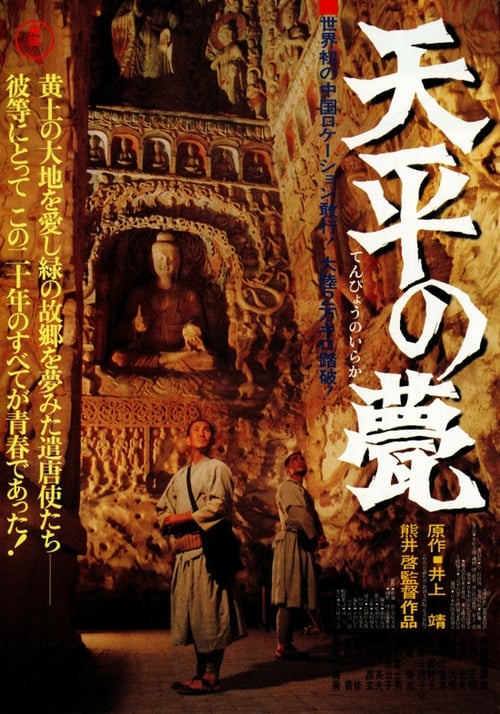
1980
Director
Kei Kumai
Runtime
120 minutes
Average Rating
No ratings yetNew Showbiz Analysis
Kei Kumai’s historical epic successfully portrays the transnational fluidity of the Tenpyō era. By following monks traveling between Japan and China, the film showcases early cross-cultural interactions. Although the film lacks modern diverse representation, it provides a sophisticated look at how individuals navigate rigid religious and political systems. The focus remains on spiritual perseverance and the movement of ideas across borders. Ultimately, the film is a period piece that prioritizes historical realism over contemporary identity politics, finding its depth in the struggle against systemic and physical obstacles.
Category Breakdown
The film focuses on the journey of monks and their spiritual lineage. There are no LGBTQ+ characters or same-sex romantic arcs.
The movie follows the patriarchal society of 8th-century Japan. The story centers around the male monastic experience, where women play a supporting role.
The film highlights the cross-cultural exchanges between Japan and Tang Dynasty China. This interaction challenges the idea of a closed, homogeneous Japanese identity.
The story emphasizes a shared Buddhist worldview that transcends national boundaries. It shows the tension between established religious institutions and the personal quest for enlightenment.
The film depicts the physical hardships faced by the monks, highlighting their vulnerability. However, these challenges are environmental rather than explorations of specific disabilities.
Present on Screen
Limited or Absent
Official Synopsis
Set in Japan's Tenpyou era (729-749 CE), four young monks are sent to China to study Buddhism and bring a high priest back to Japan with them. The film tells the tale of the four monks' youth and the life and times of the high priest Ganjin.
2016
1952
1989

2019
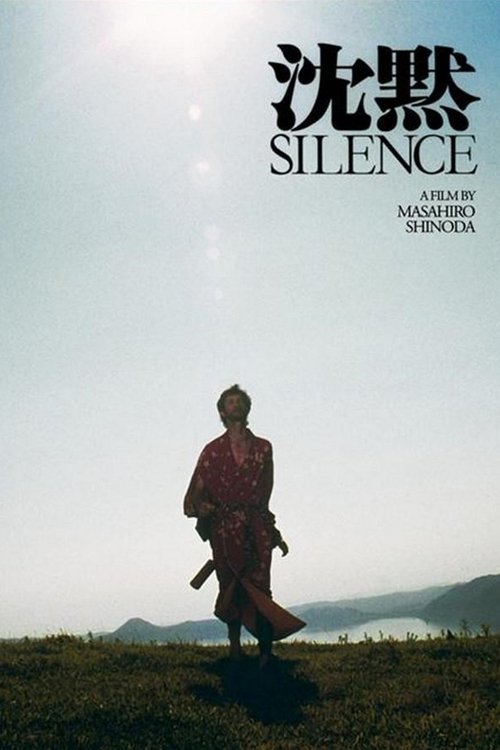
1971
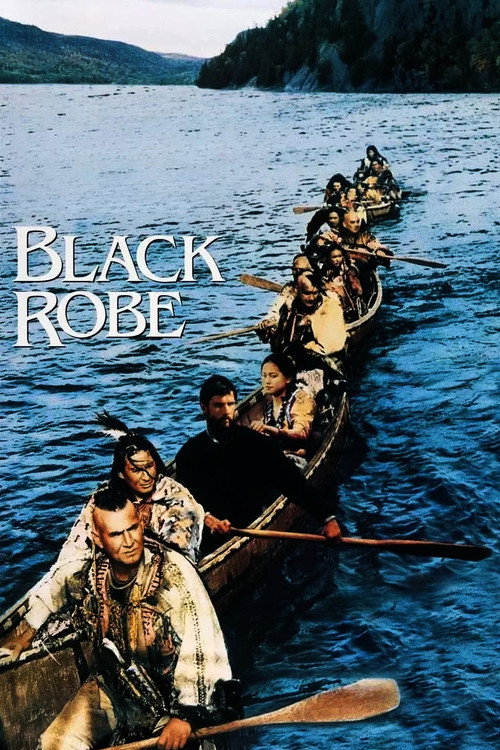
1991
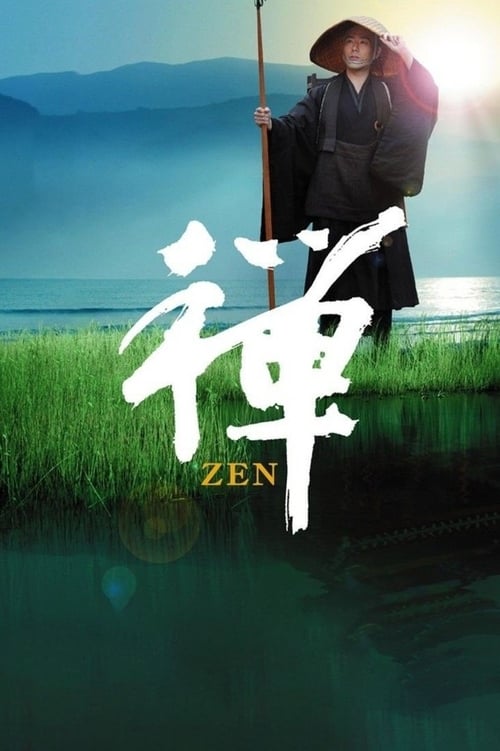
2009
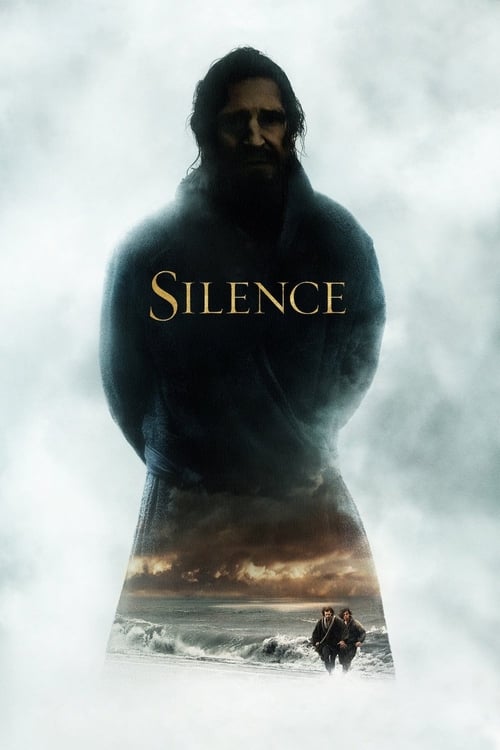
2016
No reviews yet. Be the first to share your thoughts on this movie!
Use the rating form above to leave a star rating and optional review.