
The Rose Tattoo
1955
No user ratings available yet
Representation score: 3.9 out of 10

Representation Score
Fair
1953
NRDirector
Daniel Mann
Runtime
96 minutes
Average Rating
No ratings yetNew Showbiz Analysis
Come Back, Little Sheba is a sophisticated psychological drama that challenges the idealized domesticity of the 1950s. It replaces the cliché of the strong patriarch with a vulnerable, dependent male figure, placing the emotional weight on the female lead. The film deepens its narrative by centering a physical disability as a key driver of the story. Instead of offering an inspirational view, it delves into the resentment and exhaustion inherent in caregiving. While the film does not explicitly address LGBTQ+ issues, it offers a layered exploration of racial dynamics and the fragility of societal institutions.
Category Breakdown
The film does not include any LGBTQ+ characters or explore non-straight relationships. The main conflict revolves around a troubled heterosexual relationship.
The story challenges mid-century gender roles by emphasizing the female protagonist's strength and independence. The male character is portrayed as emotionally unstable, shifting the focus of domestic responsibilities to the woman.
The film introduces characters with non-white or mixed-race backgrounds, challenging the era's predominantly white casting norms. This adds complexity to the social dynamics of the time.
The narrative examines the collapse of traditional family structures and values. It portrays the nuclear family as a source of psychological distress rather than moral strength.
Physical disability plays a central role in the film's emotional impact through Cher Amo's partial paralysis. The film avoids clichés by focusing on the difficult realities of caregiving and living with chronic illness.
Present on Screen
Limited or Absent
Official Synopsis
A mismatched couple's marital problems come to the surface when the husband develops an interest in their pretty boarder.
1955
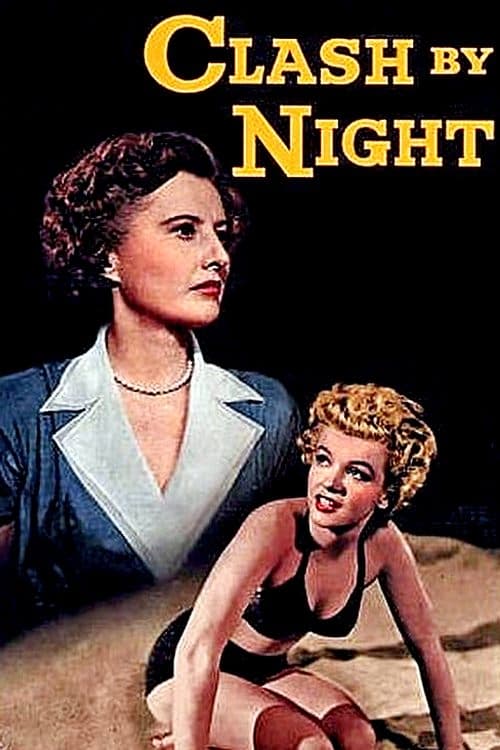
1952
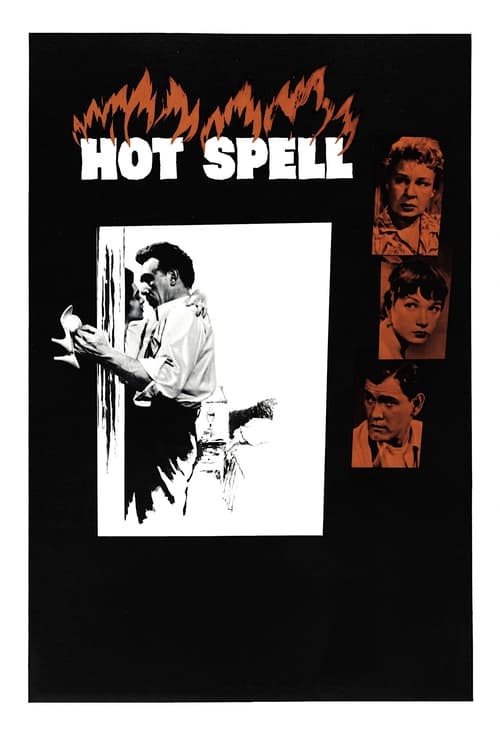
1958
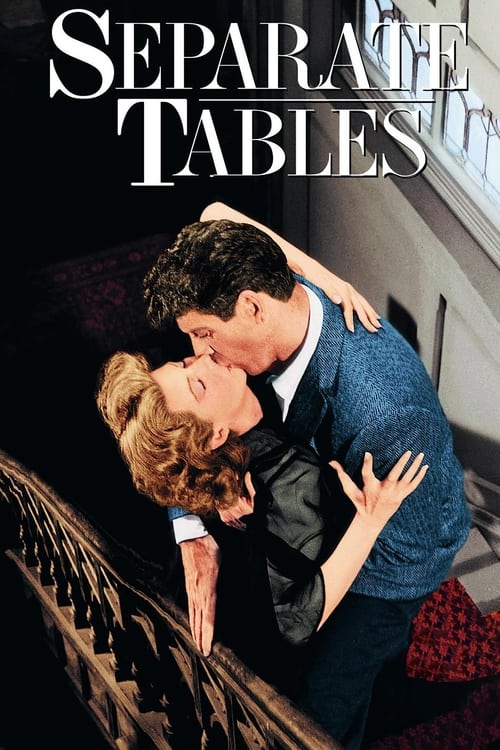
1958

1952

1954
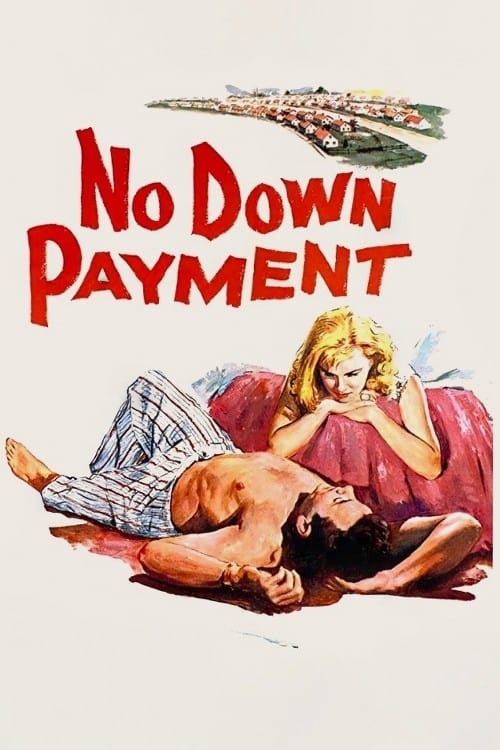
1957

1953
No reviews yet. Be the first to share your thoughts on this movie!
Use the rating form above to leave a star rating and optional review.