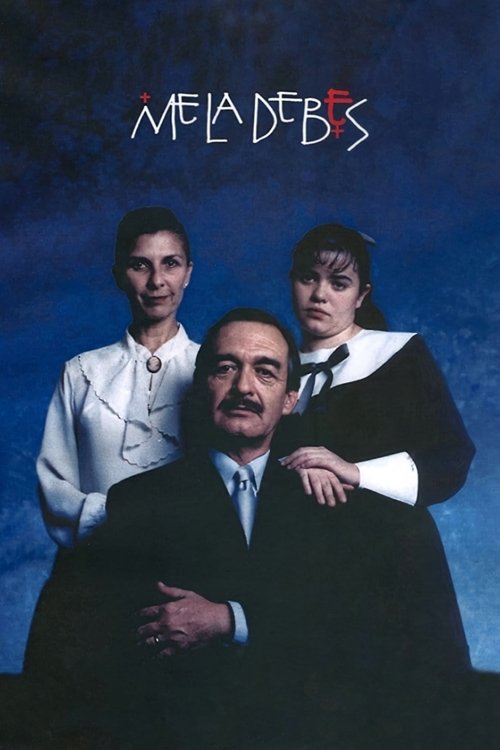
You Owe Me One
2002
No user ratings available yet
Representation score: 5.8 out of 10
Representation Score
Fair
1981
Director
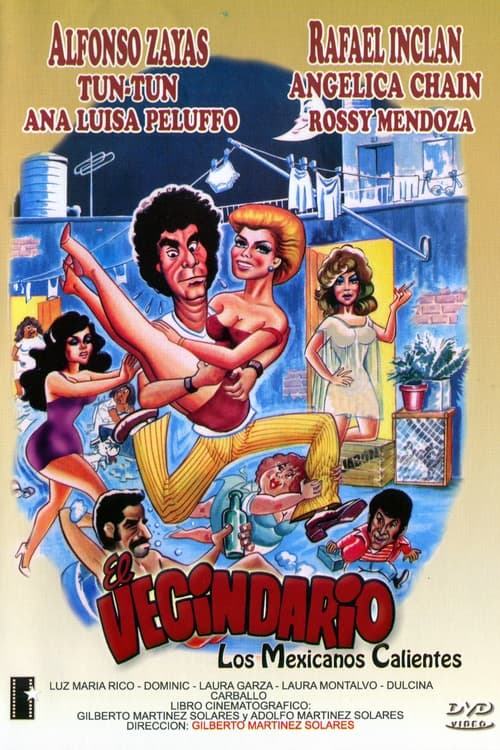
Gilberto Martínez Solares
Runtime
90 minutes
Average Rating
No ratings yetNew Showbiz Analysis
El vecindario serves as a satirical critique of the breakdown of the nuclear family. By focusing on infidelity and complex, non-traditional kinship structures, the film challenges the sanctity of the traditional domestic unit. The narrative structure emphasizes social dysfunction and situational ethics. It moves away from conventional moral frameworks, instead exploring the chaotic dynamics of urban working-class life through a lens of sexual escapades. While the film lacks explicit markers of diverse identities like LGBTQ+ or disability representation, its core strength lies in its disruption of traditional social hierarchies and its localized cultural perspective.
Category Breakdown
The film does not include explicit references to LGBTQ+ identities or non-straight relationships. The story focuses on heterosexual relationships and issues related to reproduction.
The story challenges traditional gender roles by depicting the patriarchal figure as deceptive rather than stable. It critiques masculine authority through widespread marital infidelity.
As a Mexican production, the film provides a non-Western perspective on community life. It emphasizes a localized, Latin American social fabric over Western-centric themes.
The film questions traditional institutions like marriage and parenthood. It portrays the nuclear family as a source of chaos and moral ambiguity rather than a moral standard.
There is no information available regarding the portrayal of physical or neurodivergent disabilities in this work.
Present on Screen
Limited or Absent
Official Synopsis
Mexican comedian Alfonso Zayas is just one of the many folks in town who are cheating on their spouses, imagining themselves quite clever and secretive, even while unbeknownst to them their spouses are cheating on them in turn! When one of the many women with whom Zayas has a child dies tragically, he attempts to integrate his daughter into one of his other families, calling her his goddaughter. But when his son falls in love with her, the many sexual escapades around town threaten to take a disturbing turn for the worse.
2002

1999
1982
1976

1977
1981

1978

2005
No reviews yet. Be the first to share your thoughts on this movie!
Use the rating form above to leave a star rating and optional review.