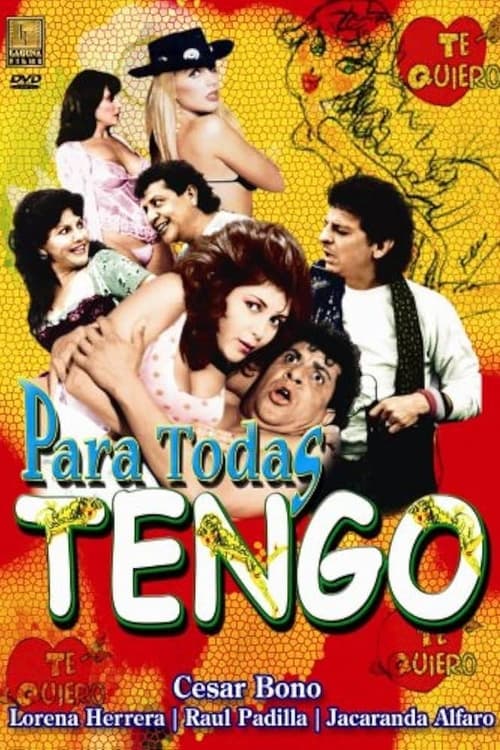
Para todas tengo
1990
No user ratings available yet
Representation score: 2.2 out of 10
Representation Score
Fair
1990
Director
Jesús Fragoso Montoya
Runtime
88 minutes
Average Rating
No ratings yetNew Showbiz Analysis
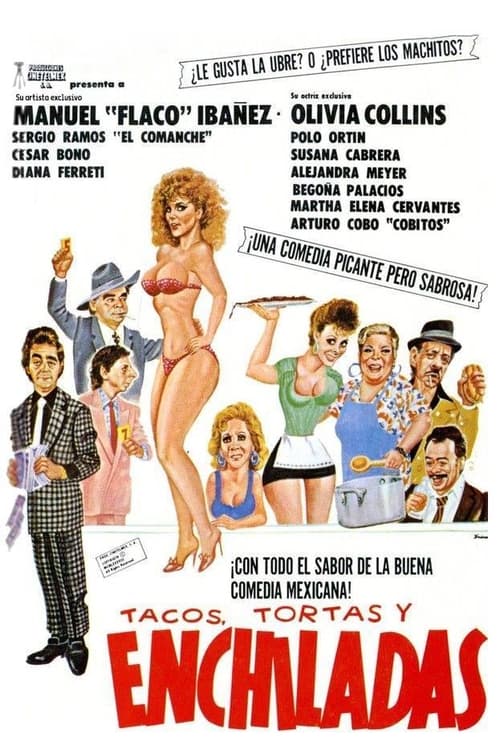
Tacos, tortas y enchiladas challenges traditional patriarchal storytelling by centering female roles. Instead of focusing on male authority, the plot follows three women as they investigate a shared domestic crisis involving an abandoned child. The film uses regional Mexican comedy, leveraging localized social dynamics to drive its conflict. This approach shifts the narrative focus toward female cooperation and intellect rather than traditional male-led formulas. While the film lacks explicit multi-layered identity politics or queer narratives, its structural decision to prioritize women's perspectives provides a meaningful departure from standard comedic archetypes of the era.
Category Breakdown
The film does not explicitly show non-straight or non-cisgender identities or same-sex relationships. It maintains a neutral tone typical of early 90s regional comedies.
Women play a key role in driving the story rather than being passive subjects. The three female protagonists take control by organizing a collective investigation into a domestic mystery.
The film engages with Mexican cultural identity through a localized framework. The setting likely reflects the demographic reality of its regional context.
The narrative prioritizes social cohesion and grassroots problem-solving over formal legal or religious interventions. It focuses on a communal moral framework regarding an abandoned child.
There is no mention of characters with visible or invisible disabilities within the narrative.
Present on Screen
Limited or Absent
Official Synopsis
Three women try to find out which of their husbands is the father of a child abandoned on the market they work.
1990

1985

1990

1984

1989

1989

1997

1982
No reviews yet. Be the first to share your thoughts on this movie!
Use the rating form above to leave a star rating and optional review.