How It Feels to Be Free
2021
No user ratings available yet
Representation score: 7.3 out of 10
Representation Score
Limited
2021
TV-PGDirector
Rob Rapley
Runtime
120 minutes
Average Rating
No ratings yetNew Showbiz Analysis
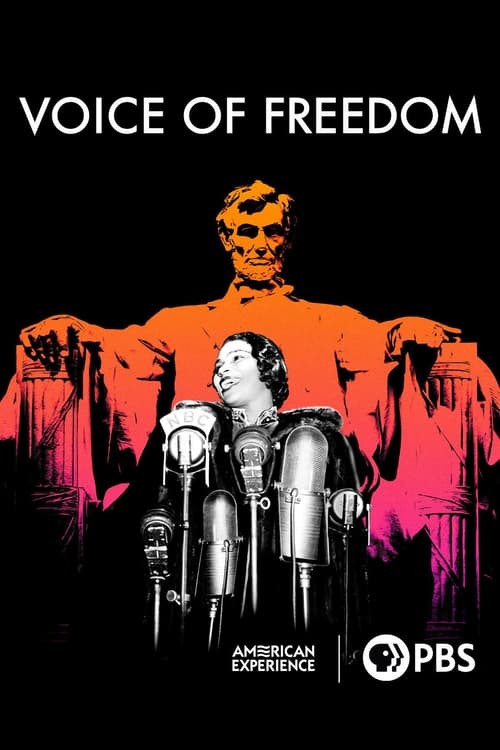
Voice of Freedom is a focused historical documentary that centers on the ability to act and cultural impact of Marian Anderson. It succeeds by prioritizing the lived experience of a Black woman navigating a landscape of institutionalized segregation. The film's primary strength lies in its examination of racial diversity and its critique of mid-20th-century American institutions. By highlighting Anderson's landmark performance at the Lincoln Memorial, it illustrates the intersection of artistic excellence and systemic racial barriers. However, the scope is narrow. The documentary does not engage with LGBTQ+ or disability narratives, focusing instead on the specific racial and civil rights implications of Anderson's career.
Category Breakdown
The film focuses solely on the racial and civil rights implications of Marian Anderson's career. There is no mention of LGBTQ+ characters or narratives addressing non-assuming gender matches what was assigned at birth identities.
The documentary centers on a talented and culturally influential female protagonist. While it highlights her ability to act against patriarchal structures, it primarily serves as a biographical study.
The film provides strong representation of a Black woman challenging Jim Crow-era hierarchies. It examines how Black excellence can disrupt white-dominated institutional spaces and systemic segregation.
The narrative critiques exclusionary Western institutions and the tension between American democratic ideals and systemic racism. It uses a historical lens to examine institutional corruption and oppression.
There is no documented evidence regarding the portrayal of physical or neurodivergent disabilities within this historical documentary.
Present on Screen
Limited or Absent
Official Synopsis
On Easter Sunday, 1939, contralto Marian Anderson stepped up to a microphone in front of the Lincoln Memorial. Inscribed on the walls of the monument behind her were the words “all men are created equal.” Barred from performing in Constitution Hall because of her race, Anderson would sing for the American people in the open air. Hailed as a voice that “comes around once in a hundred years” by maestros in Europe and widely celebrated by both white and black audiences at home, her fame hadn’t been enough to spare her from the indignities and outright violence of racism and segregation.
2021
1984
2004
2018
2019
2017
2022
2023
No reviews yet. Be the first to share your thoughts on this movie!
Use the rating form above to leave a star rating and optional review.