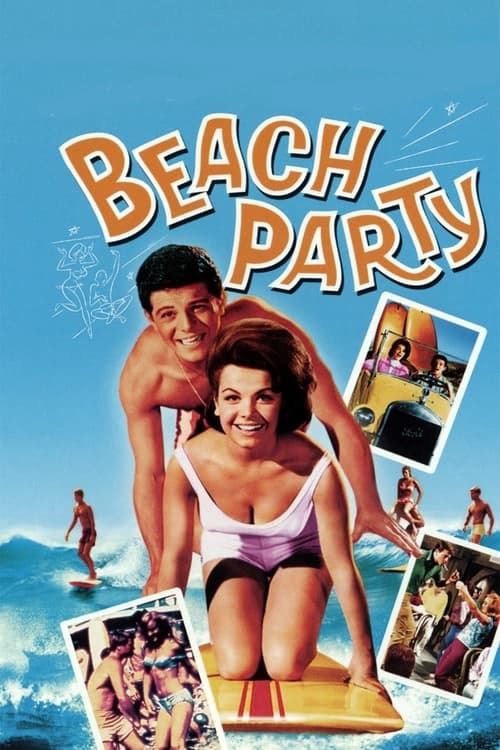
Beach Party
1963
No user ratings available yet
Diversity score: 1.9 out of 10
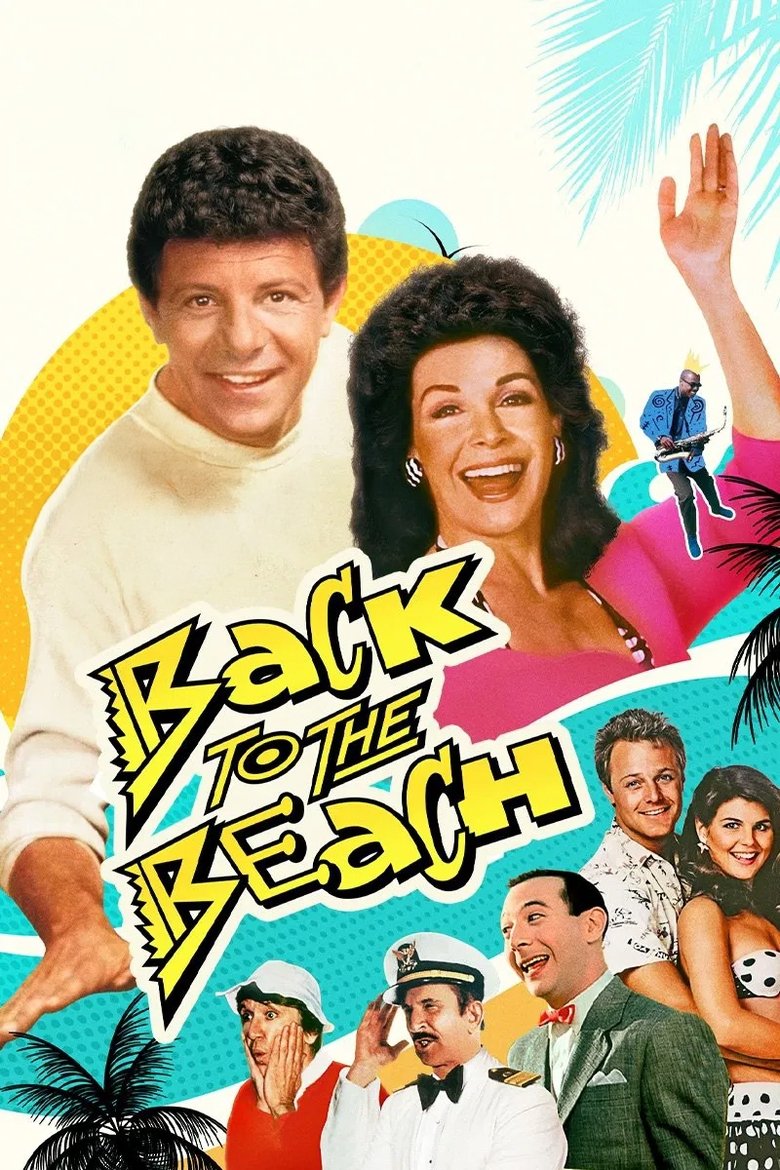
1987
PGDirector
Lyndall Hobbs
Runtime
92 minutes
Average Rating
No ratings yetSynopsis
Cowabunga! The surfing '60s ride into the new wave as Frankie and Annette star in this hip update of their old-time, good-time beach movies. With special appearances by Bob Denver, Tony Dow, Pee-Wee Herman, Jerry Mathers and other familiar faces. Frankie and Annette grow up and have kids in the midwest. They return to LA to visit their daughter who is shacked up with her boyfriend and tries to hide the fact. They begin to have marriage problems when Frankie runs into Connie, who has erected a shrine to him in her night club. Their punk son has joined up with the local surf toughs, and things all come to a head when the toughs challenge the good guys to a surfing duel
Overall Score
Limited
Category Breakdown
LGBTQ+ Representation
The film centers on heteronormative family dynamics and romantic reunions. While it explores unconventional living arrangements through the daughter's relationship, it lacks explicit LGBTQ+ identities.
Gender Representation
The narrative deconstructs the myth of the stable nuclear family by highlighting marital friction. However, character arcs largely adhere to the traditional gendered expectations of the 1980s.
Racial & Ethnic Diversity
The film functions as a stylistic homage to a historically white-centric subculture. There is no evidence of significant racial blending or diverse casting within this 1960s-inspired aesthetic.
Religious & Cultural Diversity
The story suggests a shift from 1960s wholesomeness toward 1980s moral relativism. It explores generational rebellion through punk influences but remains anchored in Western leisure values.
Disability Representation
There is no information available regarding the portrayal of physical or neurodivergent disabilities in this film.
Strengths
Areas for Improvement
AI Analysis
Back to the Beach serves primarily as a nostalgic exercise, bridging the gap between 1960s beach archetypes and 1980s social shifts. While it successfully subverts the 'perfect' family trope by introducing marital instability and generational conflict, it does so within a very narrow demographic scope. The film's reliance on a specific, historically white-centric subculture limits its cultural breadth. While the tension between 'surf toughs' and 'punk' influences provides some social texture, the narrative remains firmly rooted in traditional heteronormative frameworks. Ultimately, the work prioritizes stylistic homage over inclusive representation, reflecting the era's tendency toward nostalgic revivalism rather than social disruption.
1963

1967
1980
1965
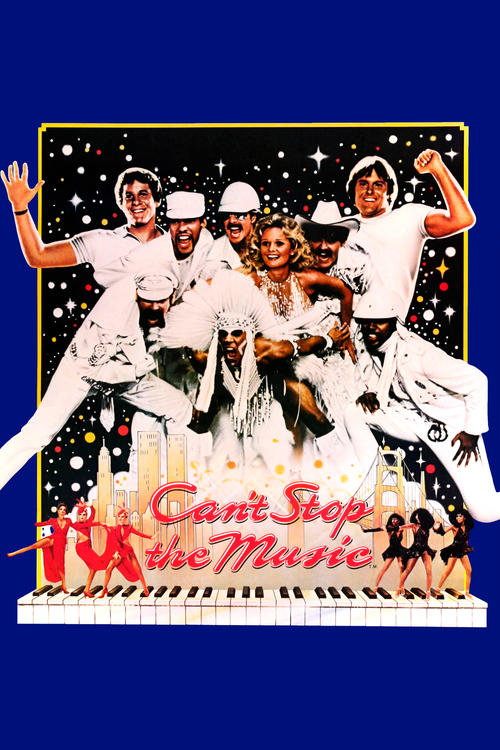
1980
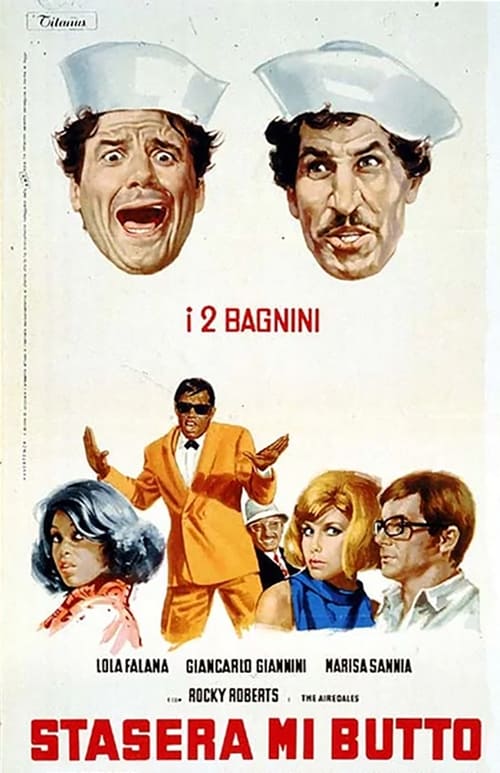
1967
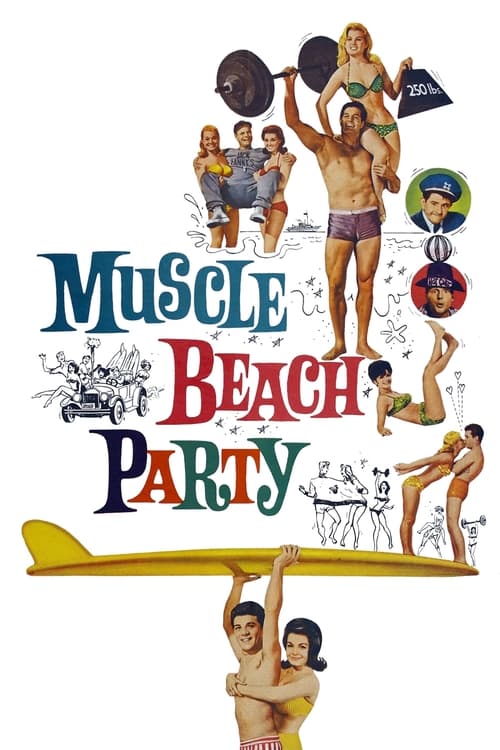
1964
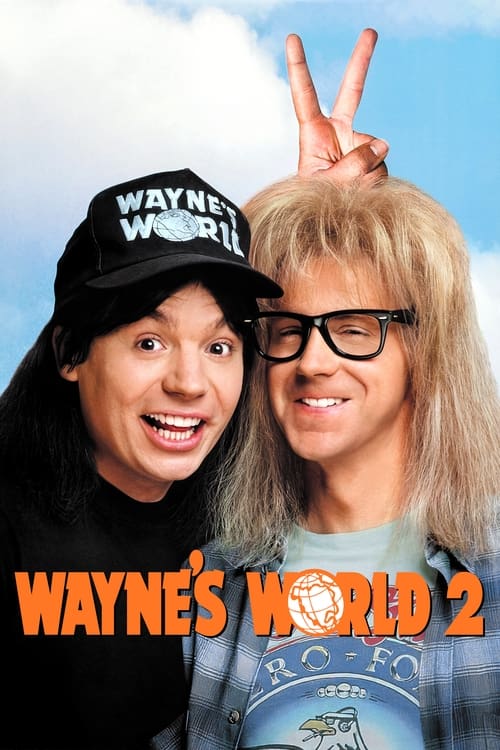
1993
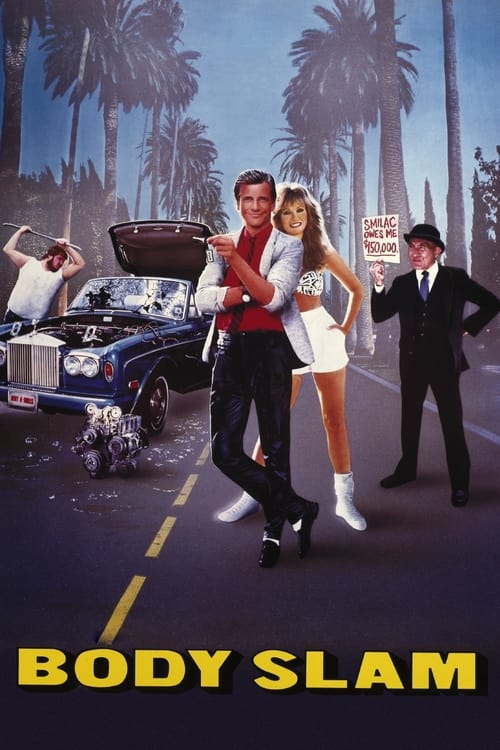
1986
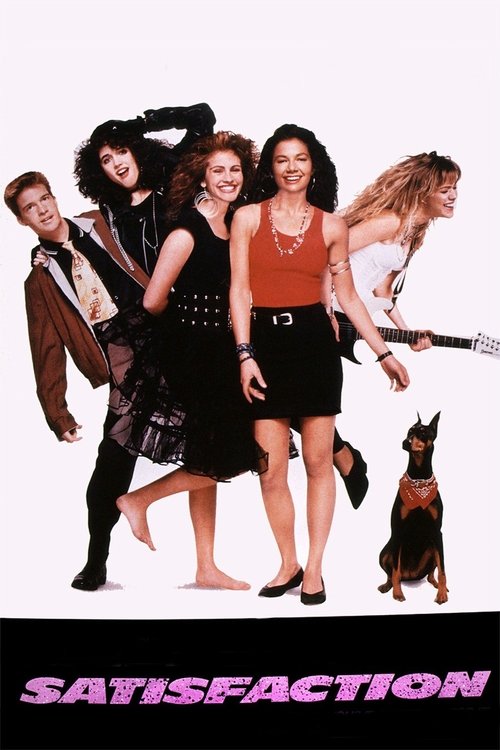
1988
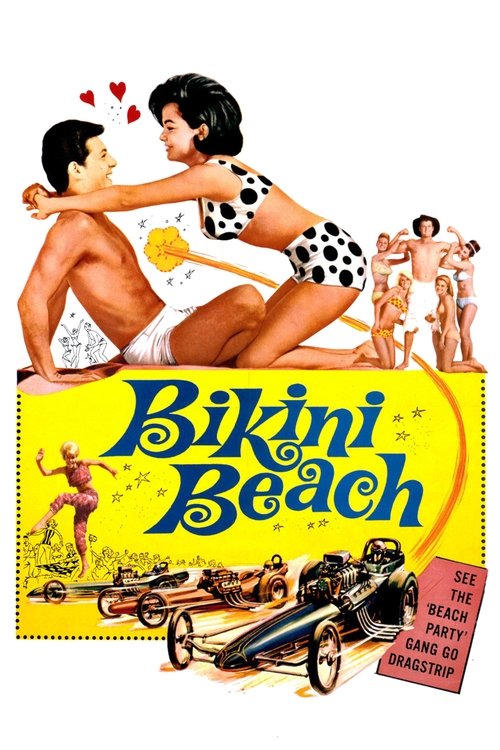
1964
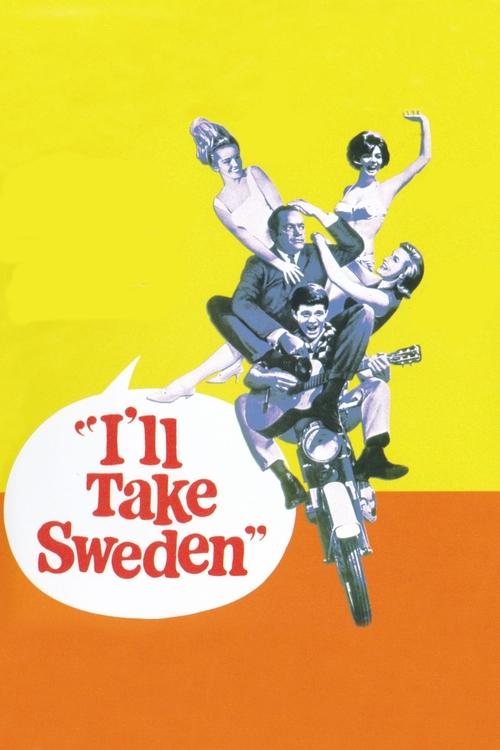
1965
No reviews yet. Be the first to share your thoughts on this movie!
Use the rating form above to leave a star rating and optional review.