Roadie
1980
No user ratings available yet
Representation score: 3.4 out of 10
Representation Score
Limited
1986
PGDirector
Hal Needham
Runtime
89 minutes
Average Rating
No ratings yetNew Showbiz Analysis
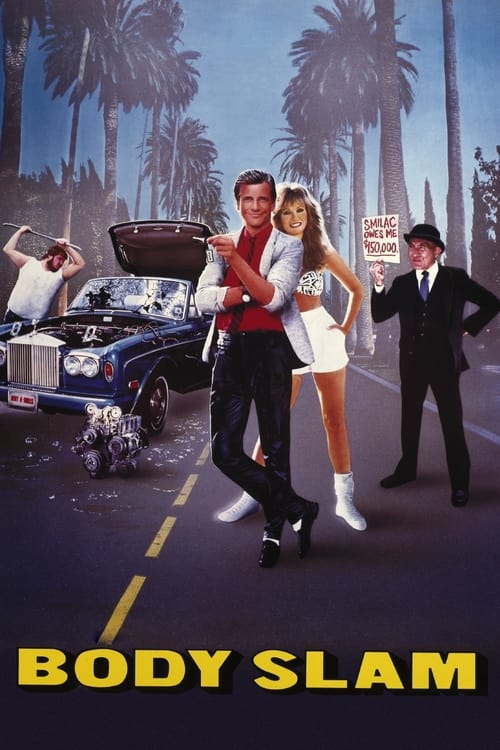
Body Slam is a typical 1980s comedy that emphasizes physical spectacle and traditional masculine ideals. Its narrative structure upholds established social norms without challenging them. The film centers on the professional success of male characters in music and wrestling. This narrow focus limits representation of various identities and genders. While Tonga Tom introduces some ethnic diversity, the film mainly adheres to the conventions of its time. It does not offer meaningful characters who reflect more than one aspect of diversity.
Category Breakdown
The film focuses on a male-dominated wrestling and music management environment. It does not include any LGBTQ+ characters or challenge the assumption that everyone is straight or cisgender.
The plot emphasizes male camaraderie and the professional rise of male characters within male-dominated industries. Women play minor roles in the story.
Tonga Tom adds ethnic diversity, but his role fits within traditional professional wrestling archetypes. His character does not significantly deviate from established stereotypes.
The story follows traditional Western values, celebrating individual commercial success and the American Dream. It does not explore diverse cultural perspectives.
The narrative highlights physical prowess and athletic performance. Characters with disabilities are not given any substantial roles.
Present on Screen
Limited or Absent
Official Synopsis
M. Harry Smilac is a down-on-his-luck music manager who is having a hard time attracting talent and booking gigs for his band, Kicks (The most recent of the gigs is a Dairy Queen opening!!). When making arrangements for a campaign fund-raiser, he mistakes Rick Roberts, a professional wrestler, for a musician and hires him. At that moment he becomes a wrestling manager and starts to book matches for him and his teammate Tonga Tom. The team is a success, and Harry decides to take his wrestlers and his band on a "Rock n' Wrestling" tour. The tour is a success, and Harry feels what it is like to be a winner again.
1980
1978

1983
1998
1977
1993
1988
1996
No reviews yet. Be the first to share your thoughts on this movie!
Use the rating form above to leave a star rating and optional review.