
Behind the Pink Door
1992
No user ratings available yet
Diversity score: 4.1 out of 10
1995
TV-14Director
Carlo J. Caparas
Average Rating
No ratings yetSynopsis
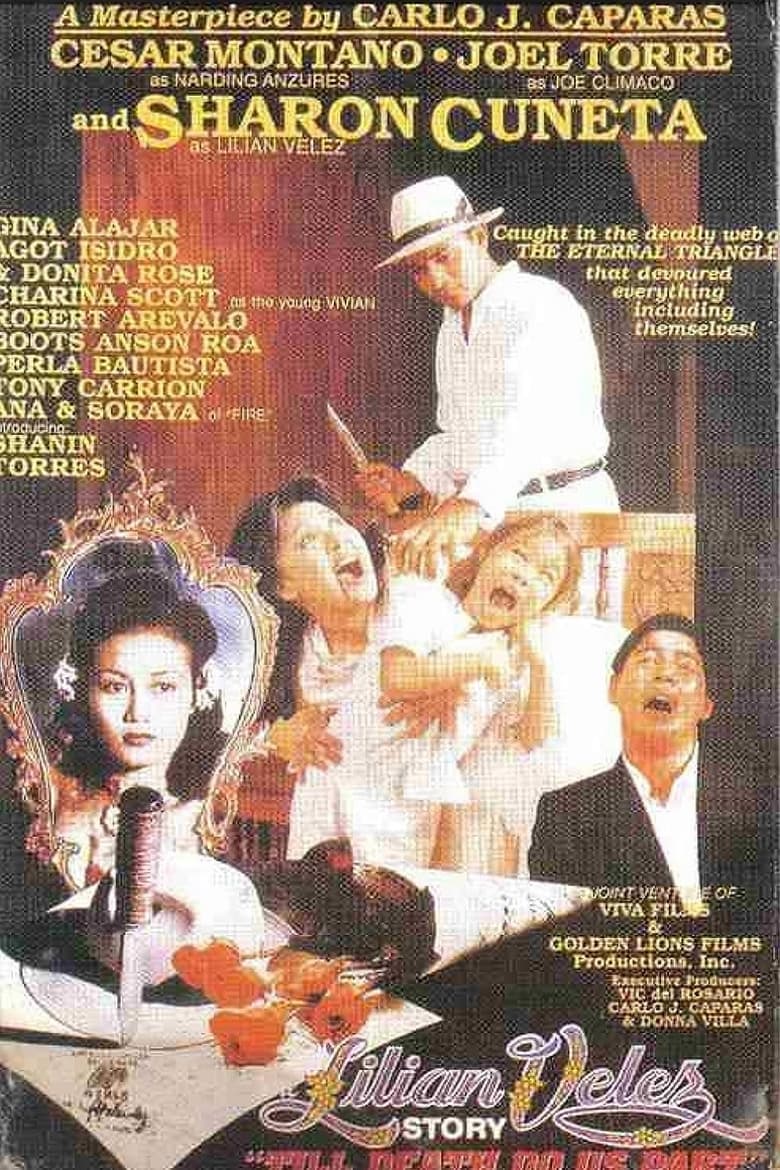
Sharon Cuneta plays the biographical account of the murder case of Filipina movie actress Lilian Velez during the 1950's.
Overall Score
Fair
Category Breakdown
LGBTQ+ Representation
The film operates within the traditional social frameworks of the 1950s. There is no evidence of non-cisnormative identities or narratives that critique heteronormativity.
Gender Representation
The story centers on a female protagonist, providing a platform for female-driven narrative agency. However, the focus remains on her vulnerability as a victim of gendered violence.
Racial & Ethnic Diversity
As a Filipino production, the film provides essential representation of Southeast Asian identity. The cast and social dynamics appear ethnically homogeneous within the film's specific setting.
Religious & Cultural Diversity
The narrative explores the intersection of celebrity culture and traditional morality. It focuses on how tragedy impacts the family unit within a traditional dramatic structure.
Disability Representation
There is no documented evidence regarding the portrayal of physical or neurodivergent disabilities in this biographical account.
Strengths
Areas for Improvement
AI Analysis
The film serves as a localized biographical drama that prioritizes historical realism over modern intersectional subversion. It succeeds in centering a Filipina narrative, offering a significant cultural counter-narrative to Western-centric cinema by documenting a specific regional tragedy. While the film provides a platform for a female lead, the representation is tempered by the protagonist's role as a victim of systemic failure. The narrative highlights the vulnerability of women in a patriarchal era without necessarily deconstructing traditional masculinity. Ultimately, the work functions as a critique of the social protections available to women in the 1950s. It remains rooted in the era's social structures, focusing on the tragic intersection of celebrity and crime.
1992
2011
1994

2024
1981

1999

2011
1978

1996

2021

1993
1990
No reviews yet. Be the first to share your thoughts on this movie!
Use the rating form above to leave a star rating and optional review.