Crime Scene
2001
No user ratings available yet
Representation score: 6.4 out of 10
Representation Score
Good
1996
TV-MADirector
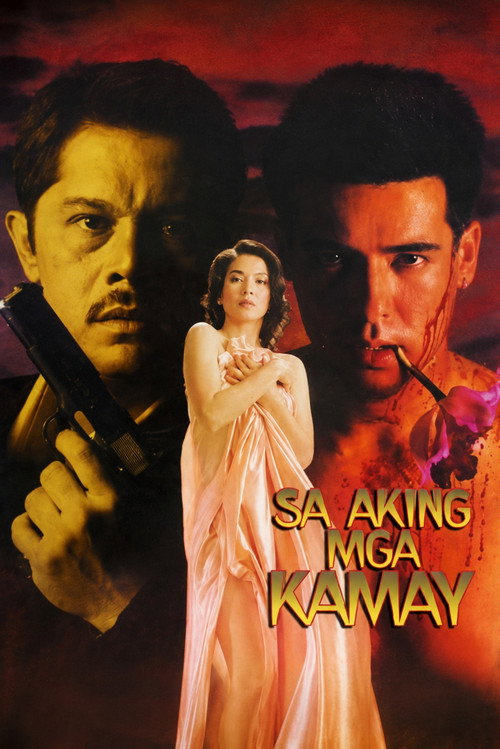
Rory B. Quintos
Runtime
115 minutes
Average Rating
No ratings yetNew Showbiz Analysis
In My Own Hands presents a sophisticated psychological thriller that explores the traumatic origins of its antagonist rather than portraying him as a simple villain. By centering Filipino identities and social structures, the film offers rich non-Western representation. Despite this, the narrative relies on traditional gender clichés, such as female infidelity and domestic vulnerability. Additionally, the film lacks explicit representation of LGBTQ+ identities and non-assuming gender matches what was assigned at birth characters, and it may risk using mental health issues as a convenient plot device for predatory behavior.
Category Breakdown
The story focuses on heterosexual relationships and marital infidelity, with no representation of LGBTQ+ identities or character arcs.
The plot revolves around unfaithful wives and a predatory male figure, which may reinforce stereotypes about women's vulnerability and the connection between infidelity and violence.
This Philippine production features a predominantly non-Western cast, highlighting Filipino identities and social structures, thus offering a departure from Western-centric narratives.
The film delves into subjective morality by examining the antagonist's actions through the lens of psychological trauma, shifting the narrative away from a simple good-versus-evil binary.
Psychological trauma and mental health issues play key roles in the plot. However, it is unclear whether the film avoids using mental instability as a convenient explanation for predatory behavior.
Present on Screen
Limited or Absent
Official Synopsis
A serial killer preying on unfaithful wives sets his eyes on an investigator's wife. The culprit is a debonair director, whose compulsion to prey on married women stems from a deep psychological trauma.
2001
2016
1993
1993

2001
2000

2019
1995
No reviews yet. Be the first to share your thoughts on this movie!
Use the rating form above to leave a star rating and optional review.