Saving Mr. Wu
2015
No user ratings available yet
Representation score: 2.5 out of 10
Representation Score
Limited
1992
Director
Lam Gam-Fung
Runtime
89 minutes
Average Rating
No ratings yetNew Showbiz Analysis
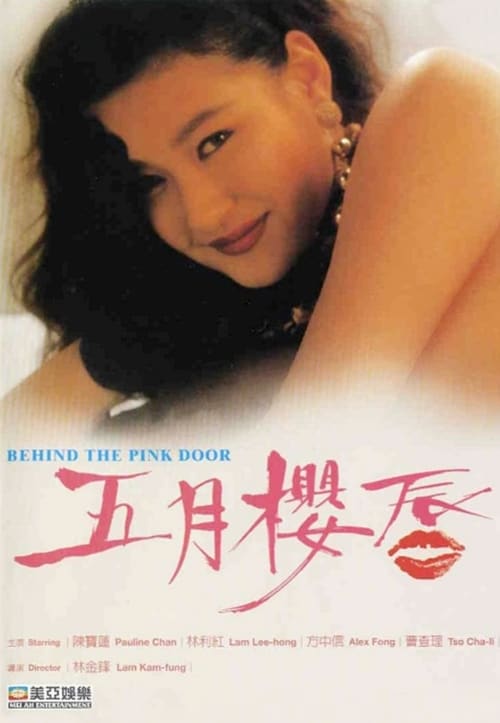
Behind the Pink Door follows the conventional genre conventions of early 1990s Hong Kong thrillers. While the story centers on female characters, it relies on established suspense clichés involving victimization rather than complex social disruptions. The film’s diversity is a reflection of its East Asian cast, typical of the time, but it does not engage with broader social identities or multi-layered themes. Ultimately, the film serves as a standard genre piece, focusing on a crime-driven narrative without challenging traditional power dynamics.
Category Breakdown
The film does not include explicit representations of non-binary or transgender identities. The kidnapping storyline focuses on female protagonists.
Female characters initiate the plot through a beauty contest win. However, their roles shift to positions of vulnerability during the kidnapping.
The cast is predominantly East Asian, reflecting the regional industry norms of Hong Kong productions.
The story adheres to standard crime drama conventions. There is no clear indication of anti-Western or secularist themes in the narrative.
There is no mention of characters with visible or invisible disabilities in the provided data.
Present on Screen
Limited or Absent
Official Synopsis
In a Hong Kong villa, Lyon throws a party celebrating her win at a beauty contest. Come midnight, when her schoolmates Sze-Wan and Nam leave the party to go home, their car suddently breaks down, and six men stop by and kidnap them
2015

2017
1969
1991
1989
1992
1997

1972
No reviews yet. Be the first to share your thoughts on this movie!
Use the rating form above to leave a star rating and optional review.