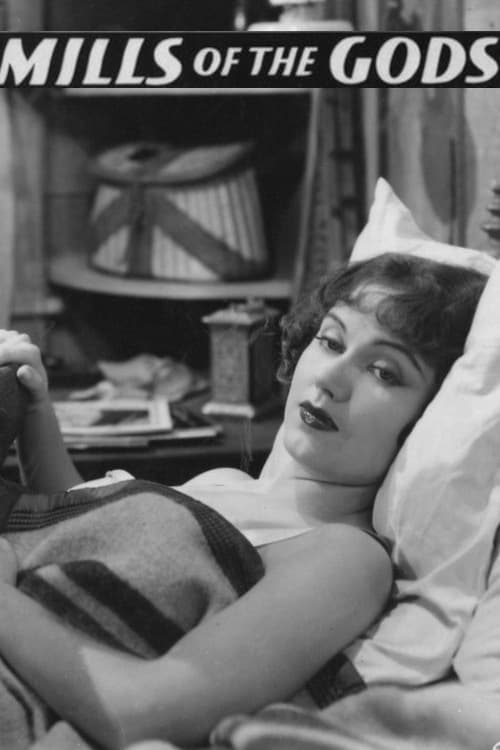
Mills of the Gods
1934
No user ratings available yet
Diversity score: 3.8 out of 10
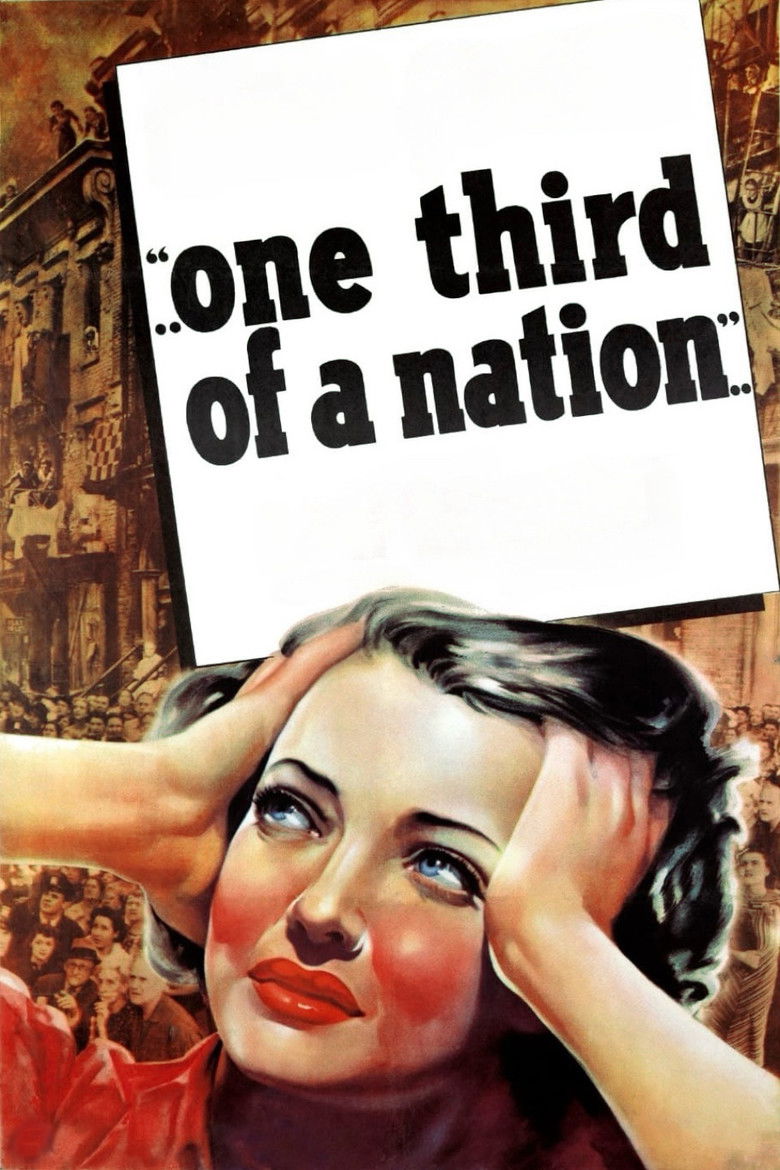
1939
ApprovedDirector
Dudley Murphy
Runtime
79 minutes
Average Rating
No ratings yetSynopsis
The negligent owner of a tenement slum becomes romantically involved with one of the building's residents.
Overall Score
Limited
Category Breakdown
LGBTQ+ Representation
The film lacks evidence of LGBTQ+ characters or non-cisnormative identities. It appears to adhere to the heteronormative social frameworks typical of 1939 production standards.
Gender Representation
The narrative centers on a romantic entanglement between a male owner and a female resident. This setup risks reinforcing traditional power dynamics through a romanticized melodrama.
Racial & Ethnic Diversity
While the setting involves urban slums, there is no explicit confirmation of a non-white majority cast. The film focuses more on social class than intersectional racial complexity.
Religious & Cultural Diversity
The film offers a strong social critique of unregulated capitalism. It highlights systemic failures and the moral vacuum created by unchecked property ownership and institutional neglect.
Disability Representation
There is no verifiable information regarding the portrayal of physical or neurodivergent characters in this work.
Strengths
Areas for Improvement
AI Analysis
One Third of a Nation is a social realist drama that prioritizes class struggle over identity-based representation. The narrative focuses on the friction between property owners and the residents of urban tenements, using systemic inequality as its primary engine. While the film lacks modern intersectional markers like LGBTQ+ or disability representation, it succeeds as a critique of institutional negligence. It examines the ethics of capitalism and the responsibilities of those in power during the early 20th century. Ultimately, the film functions as a class-based study. It trades diverse character identities for a concentrated look at the socio-economic structures that define urban poverty.
1934

1932

1932
1932
1932

1930

1930
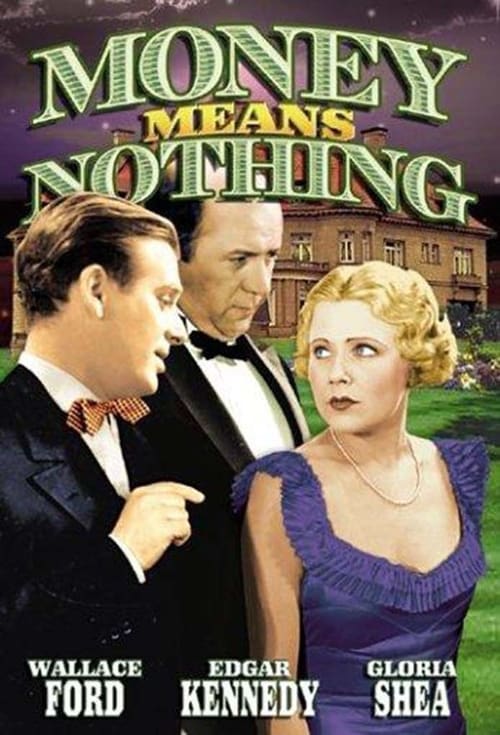
1934
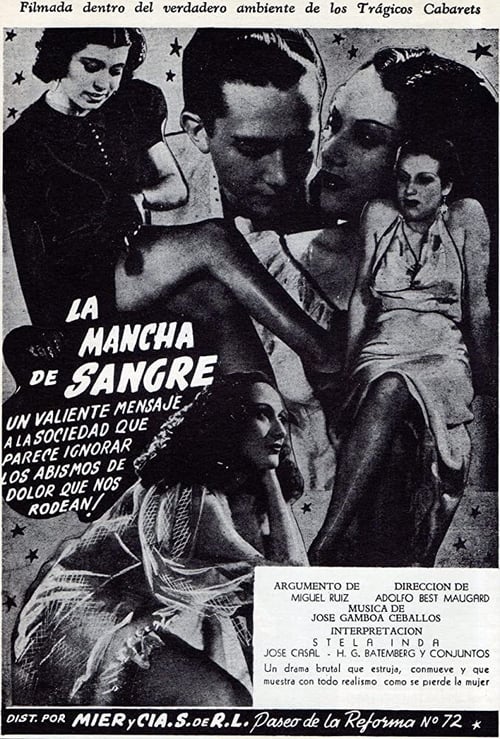
1943
1937
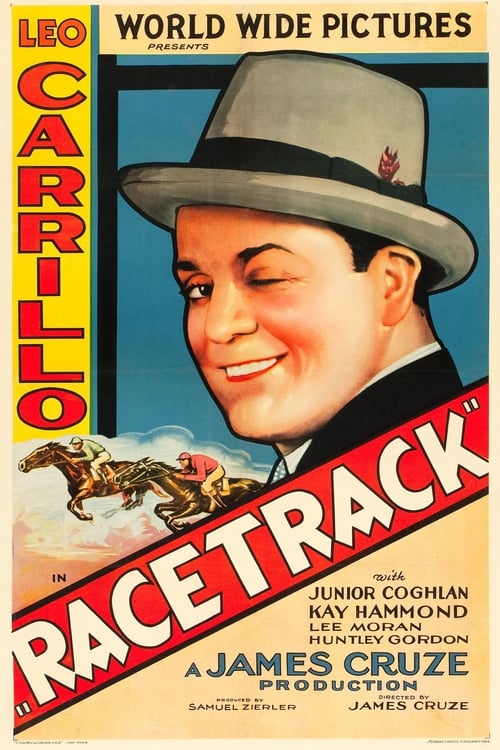
1933

1931
No reviews yet. Be the first to share your thoughts on this movie!
Use the rating form above to leave a star rating and optional review.