You are here:

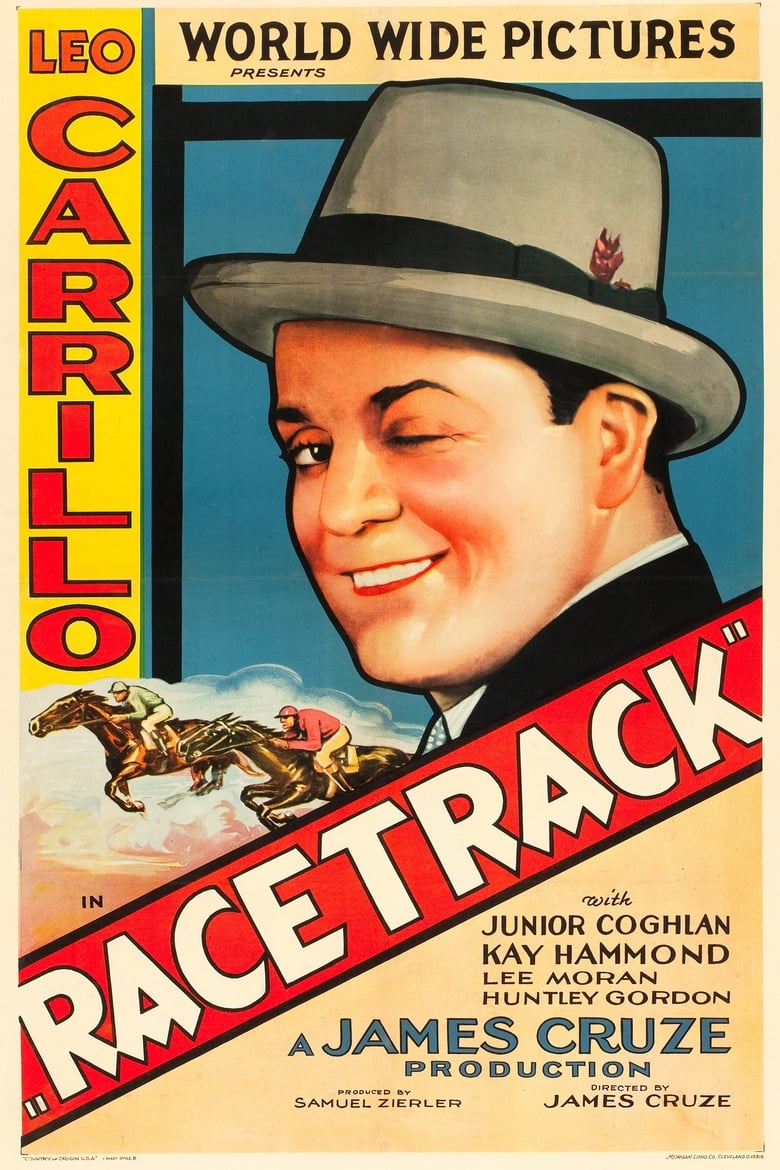
Racetrack

Racetrack

Representation Score

3.0/10

Limited

1933

Passed

Director

James Cruze

Runtime

79 minutes

Average Rating

No ratings yet

New Showbiz Analysis

Racetrack is a character study that stands out for its ethnic representation, focusing on an Italian-American man in a lead role. This provides a departure from the standard Anglo-Saxon focus prevalent in early 1930s cinema. However, the film operates within conventional moral and narrative frameworks. The drama relies on traditional archetypes of paternal responsibility and biological family ties, offering little in the way of systemic critique or multi-layered complexity. While the setting explores social themes like homelessness and the gambling underworld, the film remains a traditional dramatic arc. It lacks significant representation of gender subversion or LGBTQ+ identities.

Watch this, not that →

Category Breakdown

Does Racetrack have LGBTQ+ representation?

Limited

The film does not explicitly depict LGBTQ+ identities. The bond between Joe Tomasso and Jackie Curtis is portrayed as a traditional adoptive relationship rather than a queer one.

How does Racetrack portray gender?

Limited

The story focuses on the male protagonist's ability to drive the story and paternal responsibilities. Although a mother figure appears later, the narrative primarily revolves around the male protagonist and his ward.

How racially and ethnically diverse is Racetrack?

Fair

The film offers meaningful representation by centering an Italian-American protagonist. This shifts the narrative away from the era's typical focus on Anglo-Saxon characters.

How does Racetrack represent religion and culture?

Fair

Themes of gambling and homelessness introduce some social complexity. However, the core conflict revolves around family and biological motherhood, adhering to traditional Western values.

Does Racetrack include disability representation?

Minimal

No visible or invisible disabilities are depicted in the narrative. The character of the homeless waif represents socio-economic hardship rather than a specific disability.

Present on Screen

  • Offers meaningful representation of an Italian-American protagonist in a lead role.
  • Explores social themes like homelessness and the complexities of the gambling underworld.

Limited or Absent

  • Lacks representation of LGBTQ+ identities or non-traditional relationships.
  • Relies on traditional gender hierarchies and conventional paternalistic narratives.
  • Does not engage in systemic critique or provide multi-layered character depth.

Official Synopsis

Joe Tomasso is an Italian-American bookmaker and gambler who, outwardly, is hard but soft-hearted inwardly. He becomes fond of a homeless waif, Jackie Curtis, and begins to look upon him as the son he never had. But when Jackie's mother appears, Joe has a hard decision to make.

How are these scores produced? →

Where to Watch

Rate this Movie

No rating selected
Use arrow keys to select a rating from 1 to 5 stars
Optional text review, maximum 2000 characters
Tip: Wrap spoilers with ||double pipes|| to hide them
0/2000 characters
You must be signed in to submit a rating

Reviews

No reviews yet. Be the first to share your thoughts on this movie!

Use the rating form above to leave a star rating and optional review.