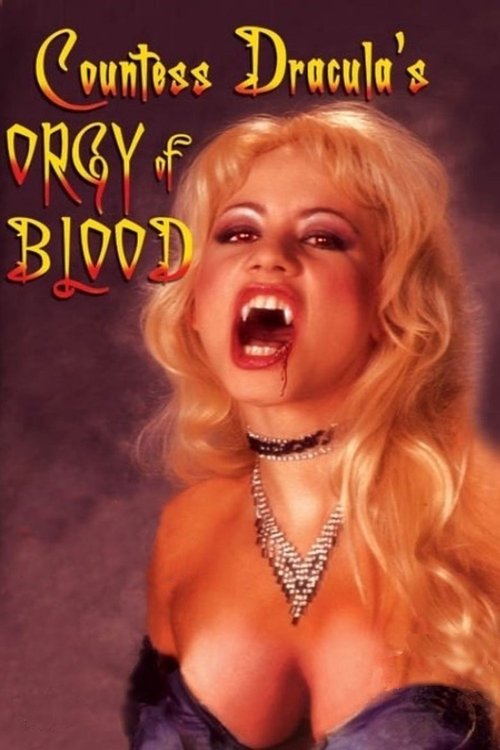
Countess Dracula's Orgy of Blood
2004
No user ratings available yet
Diversity score: 2.7 out of 10
2001
NRDirector
Donald F. Glut
Runtime
80 minutes
Average Rating
No ratings yetSynopsis
This movie is about a lady that is turned into a vampire. She hates being a vampire and living in the darkness and refuses to drink blood and has Rienfeld to go out and find a solution for her to become mortal like everybody else. So, he goes out and finds three virgins. She was a rock singer before she was a vampire and wants to become a singer again and still be mortal.
Overall Score
Limited
Category Breakdown
LGBTQ+ Representation
The film lacks evidence of non-cisnormative identities or same-sex intimacy. It relies on traditional heteronormative erotic tropes common to horror-comedy.
Gender Representation
The Countess provides a moderate subversion of horror tropes by acting with agency rather than being a passive victim. However, her character remains heavily framed through a traditional male gaze.
Racial & Ethnic Diversity
The Transylvanian-inspired setting leans toward a homogeneous European casting profile. There is no evidence of diverse ensemble integration or race-bent casting.
Religious & Cultural Diversity
The narrative functions as a genre parody centered on individual desire. It avoids religious morality but lacks any meaningful critique of Western institutions or social frameworks.
Disability Representation
Vampirism serves as a plot device for horror and eroticism rather than a meaningful portrayal of disability. There is no representation of neurodivergence or chronic illness.
Strengths
Areas for Improvement
AI Analysis
The film is a low-budget genre exercise that prioritizes camp and eroticism over intersectional depth. While it avoids the 'damsel in distress' trope by giving the female lead central agency, this is offset by a lack of structural complexity. Representation is largely absent across most categories. The casting follows standard genre conventions of the era, favoring a homogeneous European aesthetic, and the narrative lacks any systemic social critique or diverse ensemble integration. Ultimately, the work remains a traditional horror-comedy. It offers minor subversions of gendered power dynamics but fails to engage with racial, cultural, or disability-related themes in a progressive manner.
2004
1958
1970
1971
1993
1973
2002
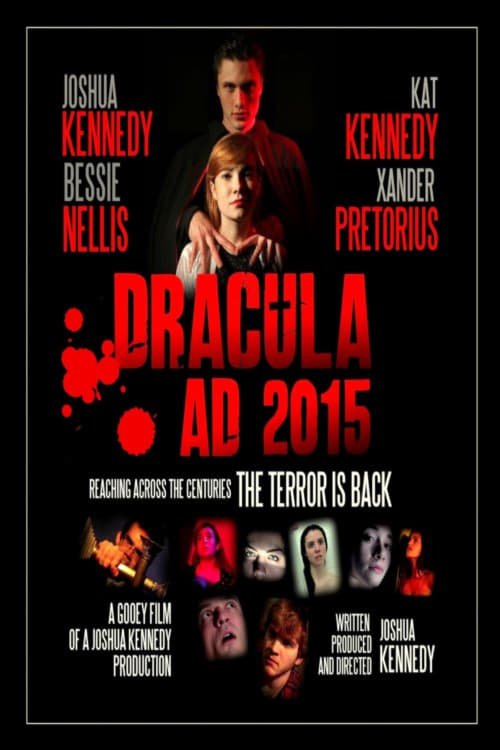
2015
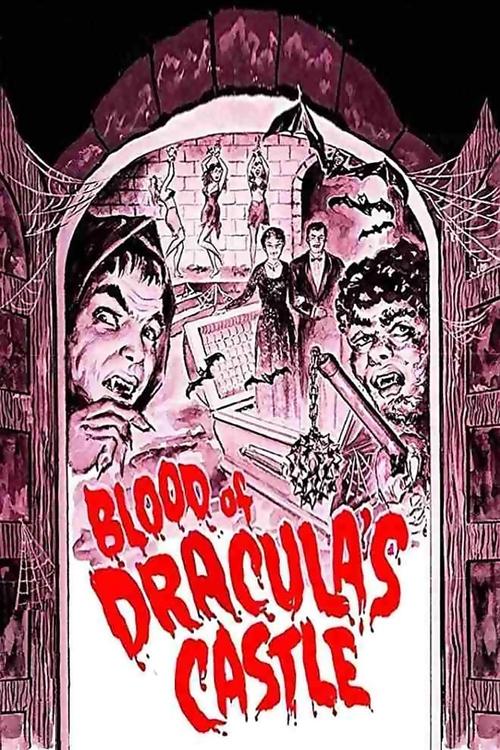
1969
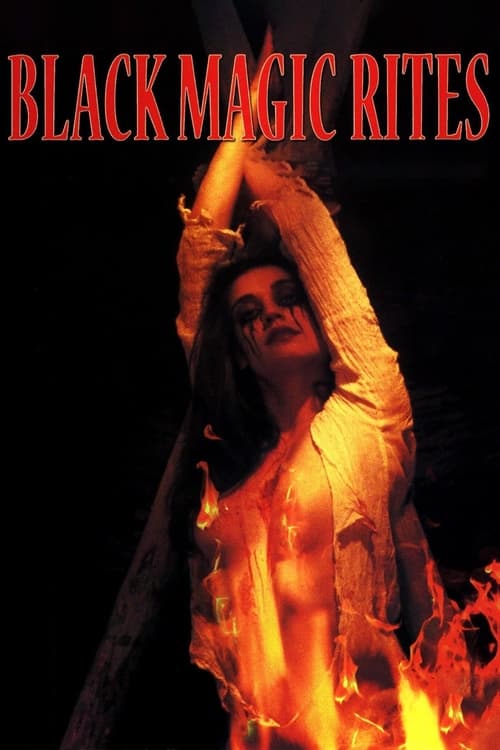
1973
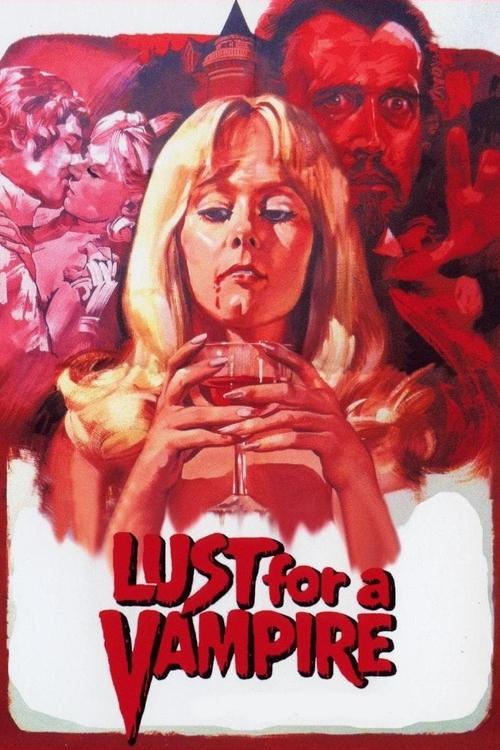
1971
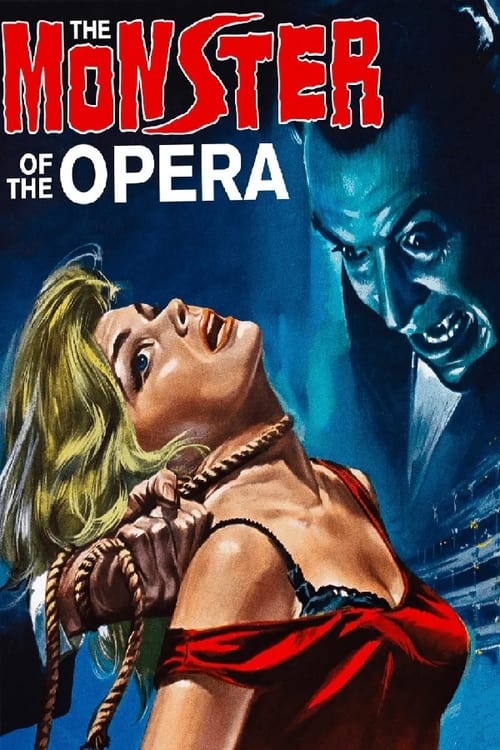
1964
No reviews yet. Be the first to share your thoughts on this movie!
Use the rating form above to leave a star rating and optional review.