As Night Falls
2010
No user ratings available yet
Diversity score: 3.1 out of 10
2010
TV-14Director
Gô Ohara
Runtime
88 minutes
Average Rating
No ratings yetSynopsis
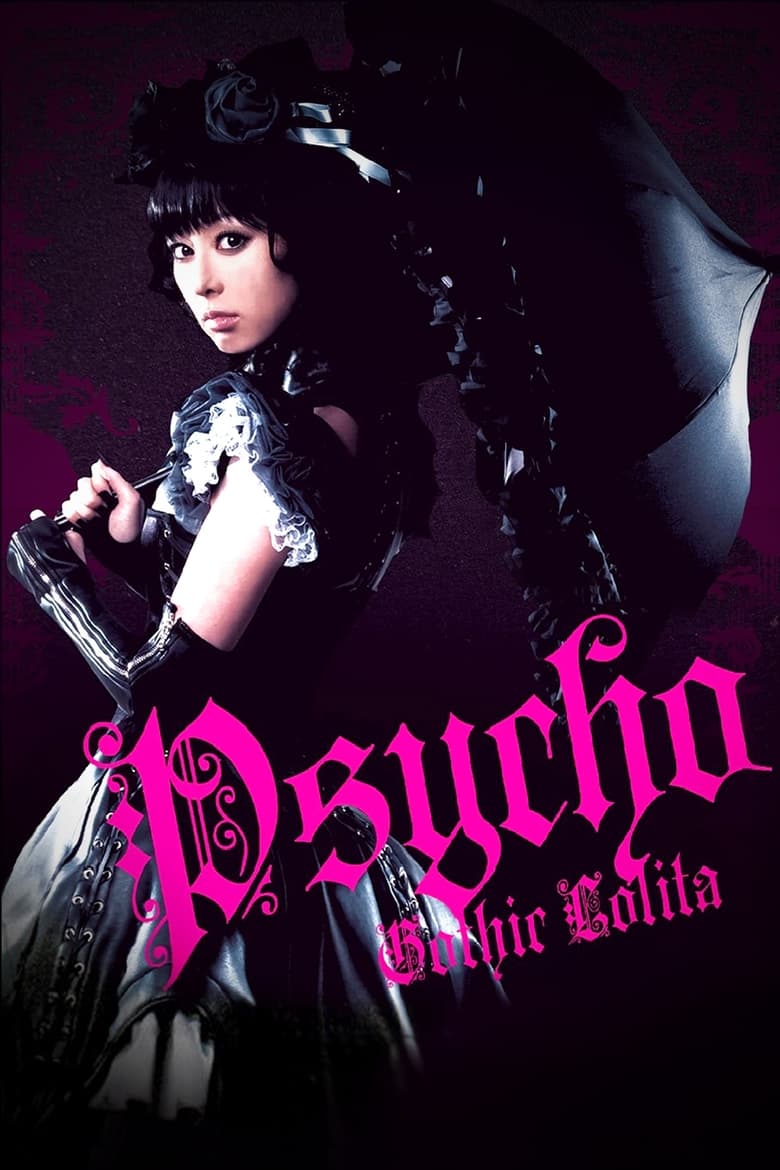
Yuki lives at home in peace until one day a unit of assassins breaks in and kill her mother. In order to revenge herself Yuki becomes a demon of vengeance by donning gothic lolita clothing, using a parasol as a deadly weapon, and executing the guilty in God's name.
Overall Score
Limited
Category Breakdown
LGBTQ+ Representation
The film lacks evidence of LGBTQ+ characters or narratives addressing non-cisnormative identities. No specific details regarding queer representation are present.
Gender Representation
Yuki subverts traditional gender hierarchies by rejecting the passive role of a victim. She reclaims feminine iconography, like a parasol, to facilitate high-agency violence.
Racial & Ethnic Diversity
The setting and cast appear culturally homogeneous. There is no evidence of racial blending or non-white majority casting within the narrative.
Religious & Cultural Diversity
The story explores subjective morality through Yuki's mission to execute the guilty in God's name. This frames justice through a personal, non-traditional lens.
Disability Representation
There is no mention of characters with visible or invisible disabilities. The narrative does not address neurodivergence or chronic illness.
Strengths
Areas for Improvement
AI Analysis
Psycho Gothic Lolita succeeds in subverting gendered tropes by transforming feminine aesthetics into tools of lethal agency. Yuki moves from a domestic victim to an active agent of retribution, reclaiming her power through her attire. However, the film lacks broader intersectional depth. The narrative focus remains narrow, centering almost exclusively on gendered empowerment within a standard revenge framework. While the use of religious themes adds a layer of personal morality, the work fails to incorporate racial, LGBTQ+, or disability-centric representation.
2010

2011
1970
2008

1970

2006
2009
2004
No reviews yet. Be the first to share your thoughts on this movie!
Use the rating form above to leave a star rating and optional review.