
The Teahouse of the August Moon
1957
No user ratings available yet
Representation score: 2.4 out of 10
Representation Score
Good
1996
Director
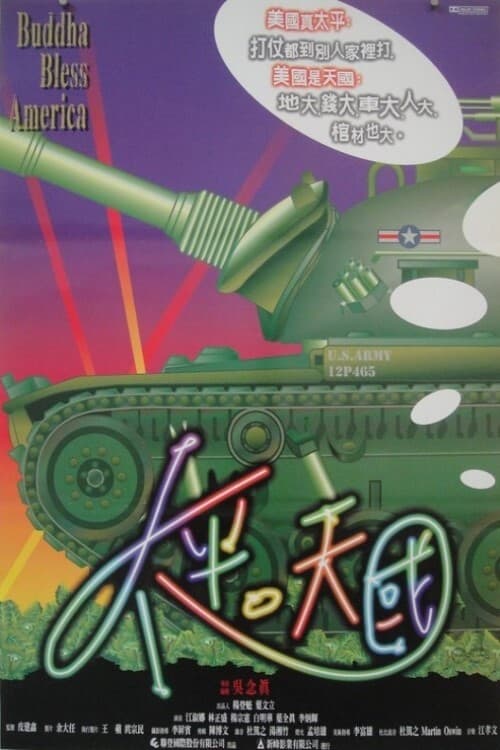
Wu Nien-jen
Runtime
118 minutes
Average Rating
No ratings yetNew Showbiz Analysis
Wu Nien-jen’s comedy serves as a sophisticated tool to navigate post-colonial identity and cultural friction. By centering a non-Western perspective, the film effectively deconstructs the traditional hierarchy between a local community and a global superpower. The strength of the work lies in its structural commitment to exploring the ability to act of a underrepresented agrarian community. It avoids typical Hollywood formulas by framing foreign intervention through the lens of local misunderstanding rather than Western heroism. However, the film's focus on military and village dynamics leaves questions regarding the depth of gender and LGBTQ+ representation. While the cultural and racial perspectives are robust, specific character-level diversity in these areas remains unverified.
Category Breakdown
The film does not include any explicit LGBTQ+ characters or non-assuming gender matches what was assigned at birth identities. The story focuses on the interaction between a Taiwanese village and American military personnel.
The story centers on masculine-coded military spaces, yet the village setting hints at a domestic sphere where women play significant roles. Comedic misunderstandings provide opportunities for nuanced gender interactions.
The film centers on the clash between local Taiwanese populations and American military personnel. It challenges Western-centric views by presenting the encounter from the perspective of local ability to act.
The title suggests a blend of local spirituality and Western influence. The narrative uses cultural misunderstandings to highlight the tension between traditional community structures and global military forces.
There is no evidence of characters with visible or invisible disabilities within the film.
Present on Screen
Limited or Absent
Official Synopsis
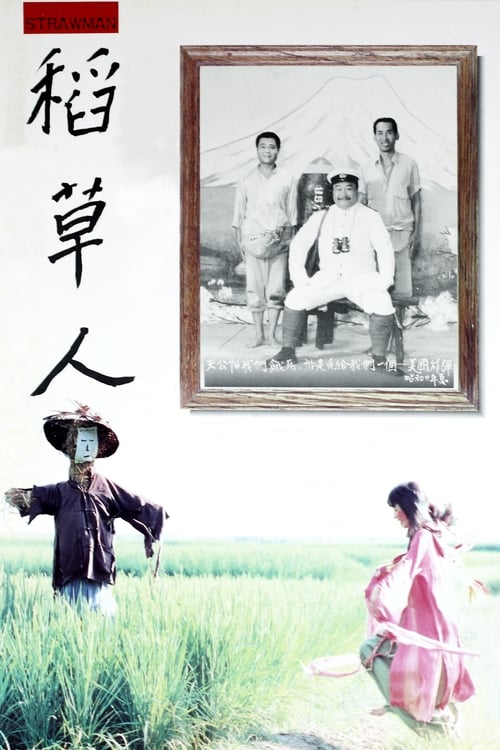
When a military contingent of "mythic" Americans arrive for war games in a little farming village in South Taiwan in the late 1960s, a veritable flood of hilarious cultural and linguistic misunderstandings is loosed on both sides.
1957
1959
1974
2005

2006

1953
1987

1966
No reviews yet. Be the first to share your thoughts on this movie!
Use the rating form above to leave a star rating and optional review.