
The Rocket from Calabuch
1956
No user ratings available yet
Diversity score: 4.4 out of 10
1953
Director
Luis García Berlanga
Runtime
78 minutes
Average Rating
No ratings yetSynopsis
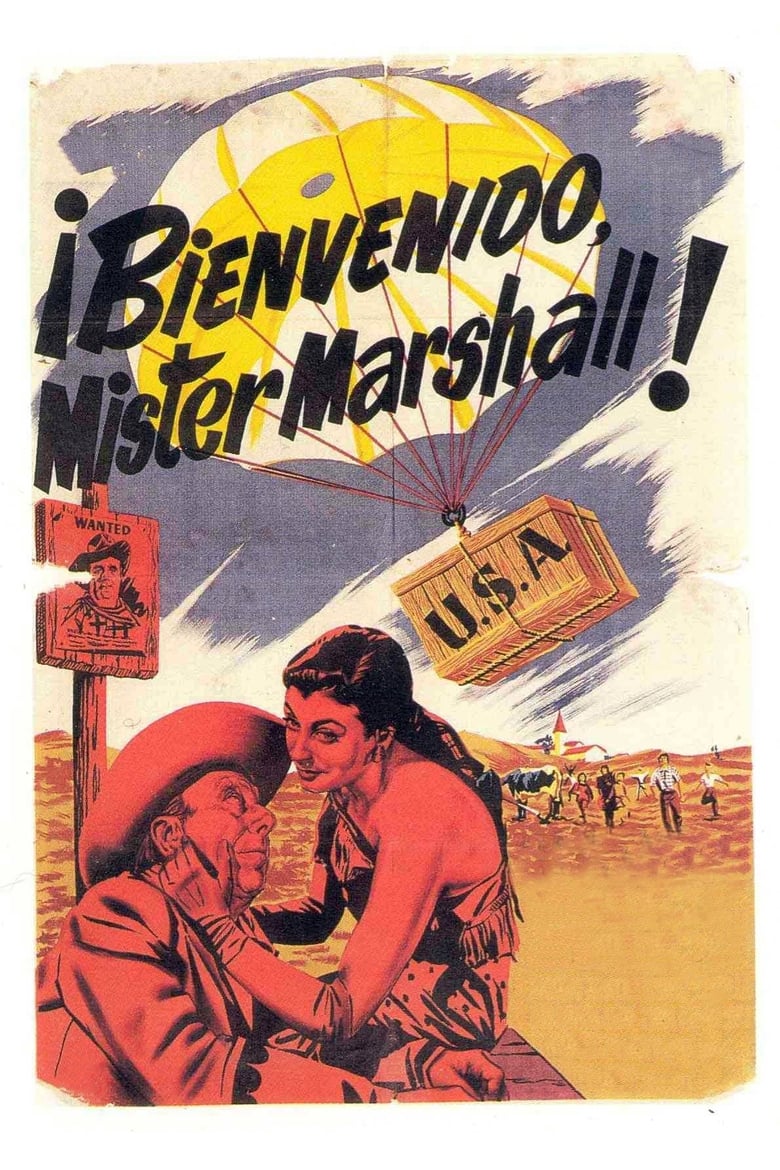
A small Spanish town, Villar del Río, is alerted to the upcoming visit of American diplomats and its ruling townsmen begin preparations to impress the American visitors, in the hopes of benefiting under the Marshall Plan. Hoping to demonstrate the side of Spanish culture with which the visiting foreign officials would be more familiarized, the Castilian citizens don unfamiliar Andalusian costumes, hire a renowned flamenco performer, and re-decorate their town in Andalusian style, meantime waiting for their uncertain arrival.
Overall Score
Fair
Category Breakdown
LGBTQ+ Representation
The film focuses entirely on the socioeconomic struggles of a rural village. There is no discernible presence of LGBTQ+ characters or non-heteronormative identities.
Gender Representation
Male figures drive the political maneuvering and the performance of progress. Female characters are largely relegated to domestic or communal support roles within traditional hierarchies.
Racial & Ethnic Diversity
The cast is largely homogeneous, reflecting a Castilian village. However, the film critiques identity by showing villagers adopting Andalusian aesthetics to please foreign visitors.
Religious & Cultural Diversity
The narrative excels in critiquing Western institutional influence and capitalism. It explores the tension between local reality and the superficial progress promised by global superpowers.
Disability Representation
There is no explicit focus on disability as a central narrative driver. The village's systemic stagnation and poverty function as a collective condition to navigate.
Strengths
Areas for Improvement
AI Analysis
Berlanga’s satire provides deep sociopolitical commentary, particularly regarding how identity is commodified for external observers. The film uses the Marshall Plan to deconstruct the gap between institutional rhetoric and lived reality. While demographic diversity is limited by the 1953 Spanish setting, the film's strength lies in its cultural critique. It portrays the villagers' performative deception as a sophisticated response to systemic neglect rather than a moral failing. Ultimately, the work prioritizes a nuanced view of survival over traditional morality, making it a sophisticated study of state-driven modernity.
1956

1962

1981
1957
1987
1978

1982

1967
1985

1967
1993

1958
No reviews yet. Be the first to share your thoughts on this movie!
Use the rating form above to leave a star rating and optional review.