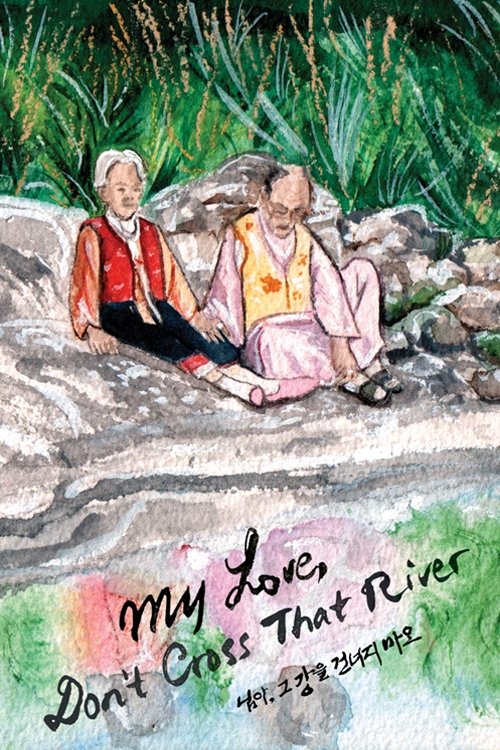
My Love, Don't Cross That River
2014
No user ratings available yet
Representation score: 4.1 out of 10

Representation Score
Fair
2013
Director
Agnes Sós
Runtime
70 minutes
Average Rating
No ratings yetNew Showbiz Analysis
Stream of Love serves as a poignant ethnographic study of an aging Hungarian-speaking community in Transylvania. It centers on the emotional landscapes and active desires of elderly villagers, effectively challenging stereotypes that often portray the aged as passive or stagnant. The film's strength lies in its cultural specificity and its ability to give ability to act to a demographic often overlooked in mainstream cinema. By focusing on the micro-politics of longing, it provides a nuanced look at human connection within a localized ethnic enclave. However, the film lacks explicit documentation regarding LGBTQ+ identities or disability representation. While it explores universal human emotions, it does not delve into radical social deconstruction or high-intensity identity politics.
Category Breakdown
The film explores universal themes of love and desire but does not include specific LGBTQ+ narratives or identities. There is no explicit evidence of non-straight relationships.
The narrative emphasizes the emotional independence and active roles of elderly women. This approach highlights the intellectual and emotional autonomy of older women.
The documentary provides significant visibility to the Hungarian-speaking minority in Transylvania. It supports a non-dominant cultural identity within a specific geopolitical context.
The film prioritizes local traditions and subjective experiences over grand nationalistic narratives. It offers a localized view of community life where time seems to stand still.
There is no information available regarding the depiction of physical or neurodivergent disabilities in this work.
Present on Screen
Limited or Absent
Official Synopsis
Love and desire fill the minds of villagers in a Hungarian speaking village in Transylvania, Romania, even in their old age. Time has stood still here, and although most of the village’s inhabitants are elderly, they are refreshingly young at heart.
2014
1965
1970
2004

2008

2020
1971
1992
No reviews yet. Be the first to share your thoughts on this movie!
Use the rating form above to leave a star rating and optional review.