Oskar Langenfeld. 12 Mal
1966
No user ratings available yet
Representation score: 7.3 out of 10
Representation Score
Fair
1971
Director
Zoltán Huszárik
Runtime
13 minutes
Average Rating
No ratings yetNew Showbiz Analysis
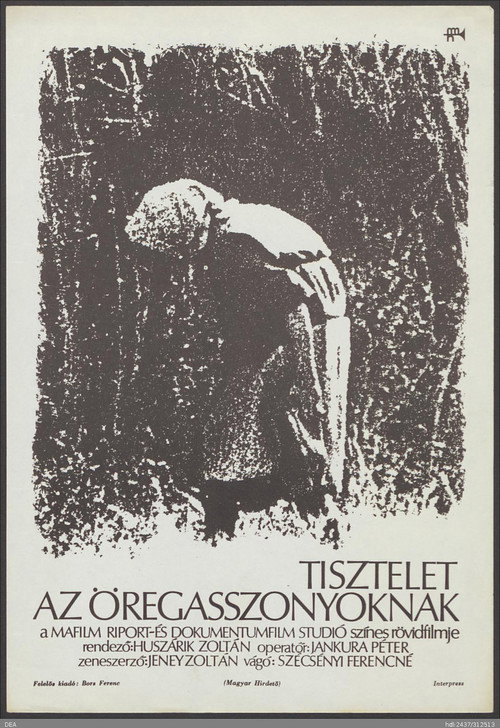
Homage to Old Ladies is a specialized documentary that prioritizes deep, focused representation over broad multi-layered diversity. By centering on elderly widows in a rural Hungarian setting, Zoltán Huszárik shifts the cinematic lens away from traditional patriarchal structures toward the lived experiences of women. While the film lacks LGBTQ+ or multi-ethnic narratives, it succeeds in granting dignity and ability to act to a demographic often rendered invisible. It avoids sanitized clichés of rural life, opting instead for a nuanced, impressionistic study of human existence and the realities of aging. Ultimately, the work serves as a meaningful disruption of social hierarchies, even if its scope remains culturally and demographically specific.
Category Breakdown
The film lacks any evidence of LGBTQ+ characters or narratives. The focus remains strictly on the domestic and social realities of widows.
The documentary focuses entirely on women, shifting attention away from patriarchal norms. By highlighting the lives of elderly widows, it brings these women from the social periphery to the forefront of the narrative.
As a Hungarian production, the film reflects the homogeneous ethnic makeup of its rural setting. It offers an authentic, localized portrayal of a specific cultural group.
The film explores the complexities of aging and personal morality. It presents a grounded realism that challenges idealized, wholesome depictions of rural life.
The film likely addresses the physical realities of aging. It portrays the aging body as a site of lived experience rather than just a plot device.
Present on Screen
Limited or Absent
Official Synopsis
World wars pick their victims not only from those serving on the front line, women and mothers who have lost husbands and sons in battle also become victims. All that is left of loved ones are yellowing photographs, curling postcards from staging posts and crumbling graves – and a gaping loss shouldered over decades. Yet we rarely consider the grief of those who remained at home. This short by Zoltán Huszárik shares in this mourning.
1966
1978
1974

2004
1998

1998
2017
2003
No reviews yet. Be the first to share your thoughts on this movie!
Use the rating form above to leave a star rating and optional review.