Painted Love: Our Story
2019
No user ratings available yet
Representation score: 3.9 out of 10
Representation Score
Fair
2014
Not RatedDirector
Jin Mo-young
Runtime
86 minutes
Average Rating
No ratings yetNew Showbiz Analysis
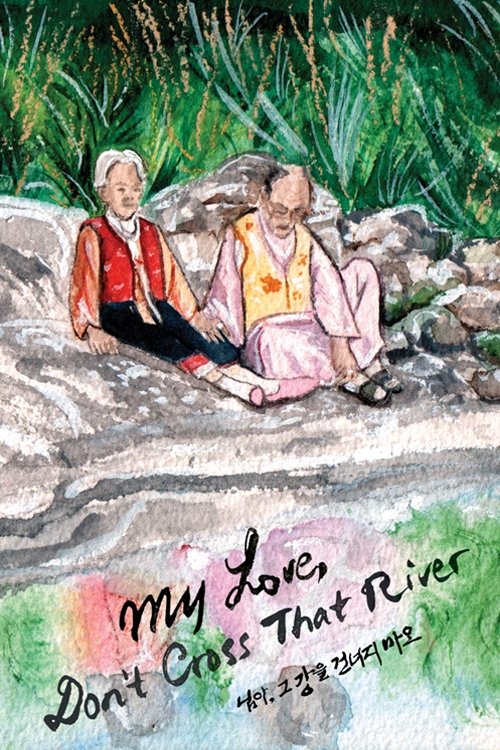
Jin Mo-young’s documentary is a study of observational realism that emphasizes human connection over social deconstruction. By focusing on the intimate, lived reality of an elderly couple, the film achieves a profound sense of dignity and cultural specificity. However, the work remains firmly within traditional social and gendered norms. It does not seek to disrupt systemic power dynamics or introduce diverse identity-based frameworks, resulting in lower scores regarding progressive representation metrics. Ultimately, the film's strength lies in its humanist approach to aging and loss. It offers a sincere, non-Western perspective on devotion, even as it adheres to conventional marital structures.
Category Breakdown
The documentary focuses solely on a heterosexual, long-term marriage and does not include any depictions of LGBTQ+ identities or narratives.
The film portrays a traditional partnership with established domestic roles. While it highlights the wife's emotional influence, it still upholds conventional gender roles.
This South Korean production centers on indigenous subjects and Korean cultural aesthetics. It offers a meaningful departure from Western-centric narratives by emphasizing local customs and traditional attire.
The narrative is grounded in traditional values such as lifelong commitment and family stability. It celebrates a localized lifestyle without exploring progressive or anti-institutional themes.
The film presents a nuanced depiction of the physical challenges of aging. It handles declining physical abilities with dignity, avoiding sensationalism or using disability as a plot device.
Present on Screen
Limited or Absent
Official Synopsis
There lives a couple known as "100-year-old lovebirds". They're like fairy tale characters: the husband is strong like a woodman, and the wife is full of charms like a princess. They dearly love each other, wear Korean traditional clothes together, and still fall asleep hand in hand. However, death, quietly and like a thief, sits between them. This film starts from that moment, and follows the last moments of 76 years of their marriage.
2019
2014

2017
2012
2014

2017
2016
2020
No reviews yet. Be the first to share your thoughts on this movie!
Use the rating form above to leave a star rating and optional review.