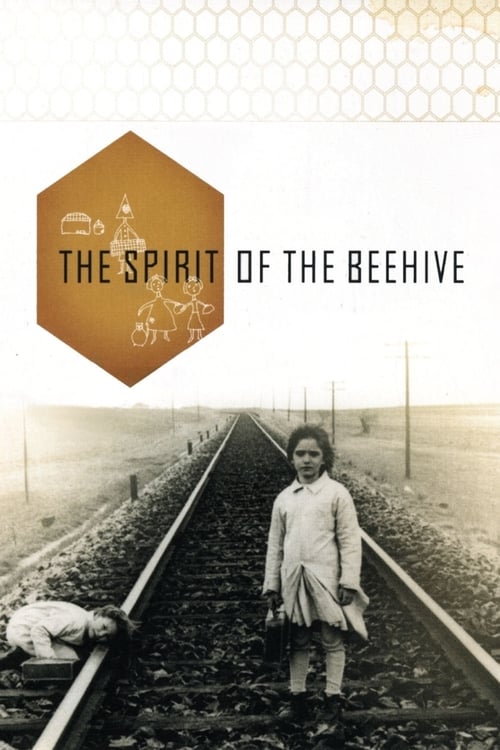
The Spirit of the Beehive
1973
No user ratings available yet
Representation score: 4.6 out of 10
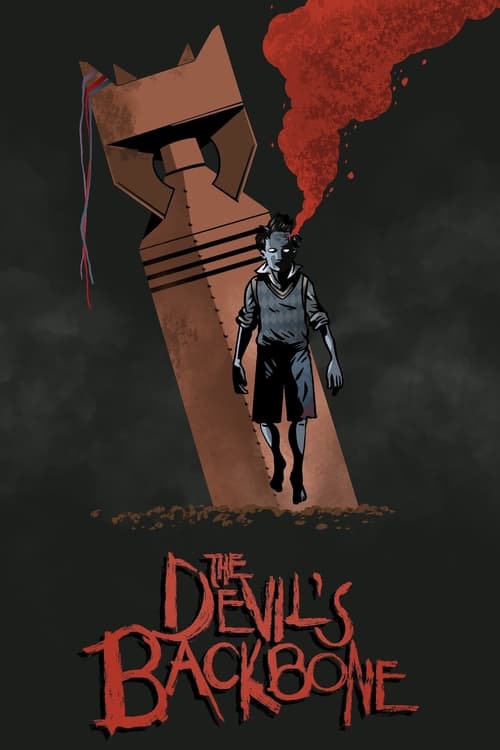
Representation Score
Good
2001
RDirector
Guillermo del Toro
Runtime
108 minutes
Average Rating
No ratings yetNew Showbiz Analysis
Guillermo del Toro uses Gothic horror to explore the systemic trauma and marginalization of those on the fringes of society. By deconstructing traditional pillars of authority, such as the church and the state, the film offers a morally complex perspective. While demographic diversity is limited by the historical setting and a homogeneous cast, the film's strength lies in its cultural critique. It avoids typical historical heroism, focusing instead on the vulnerability of those caught in the machinery of war. The narrative effectively employs magical realism to address socioeconomic displacement and the psychological impact of political violence.
Category Breakdown
The film does not include any visible LGBTQ+ narratives or characters with non-straight identities. Instead, it focuses on the relationships among orphans and the looming threat of war.
The cast is predominantly male, reflecting the historical context of the Spanish Civil War. However, it challenges traditional male authority figures by showing them as negligent or morally flawed.
The cast remains fairly uniform due to the specific Spanish setting. The film uses supernatural elements as metaphors for the hidden and forgotten victims of political turmoil.
The film provides a deep critique of religious and state authority. It depicts institutions like the church as places of complicity rather than sanctuary, embracing moral ambiguity.
Physical disabilities are not prominent, but the film examines the invisible disabilities of grief and psychological trauma. Supernatural elements symbolize the characters' fragmented mental states.
Present on Screen
Limited or Absent
Official Synopsis
Spain, 1939. In the last days of the Spanish Civil War, the young Carlos arrives at the Santa Lucía orphanage, where he will make friends and enemies as he follows the quiet footsteps of a mysterious presence eager for revenge.
1973
1976
2006
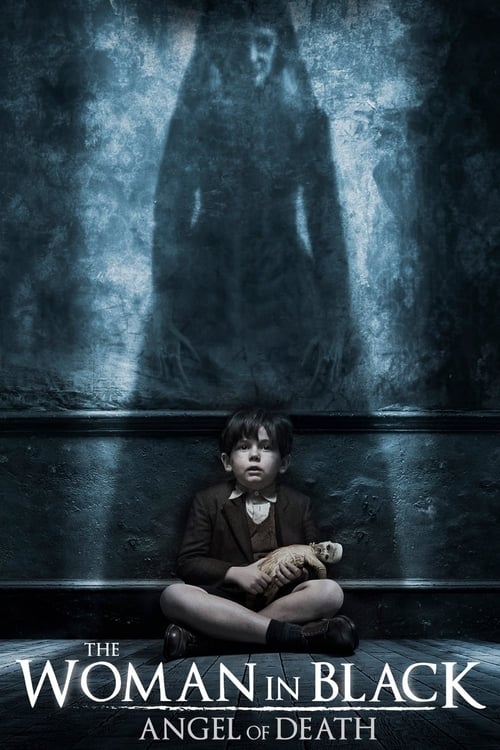
2014
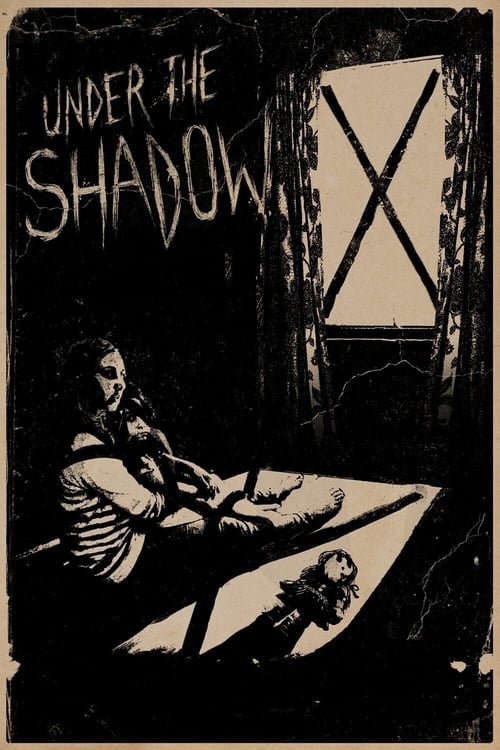
2016
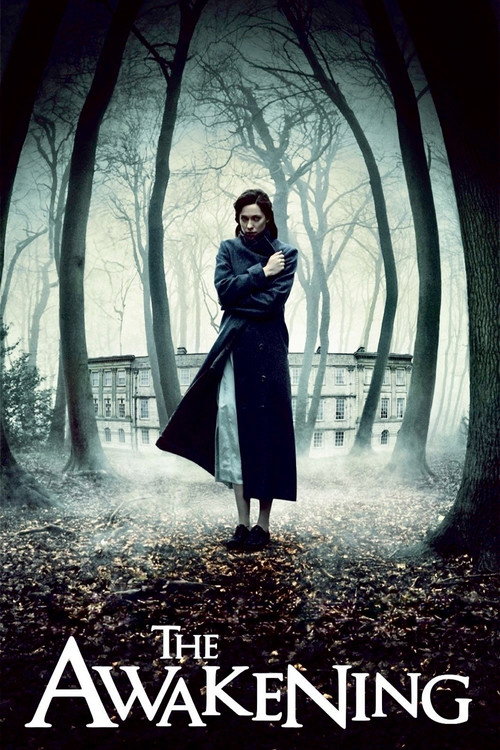
2011
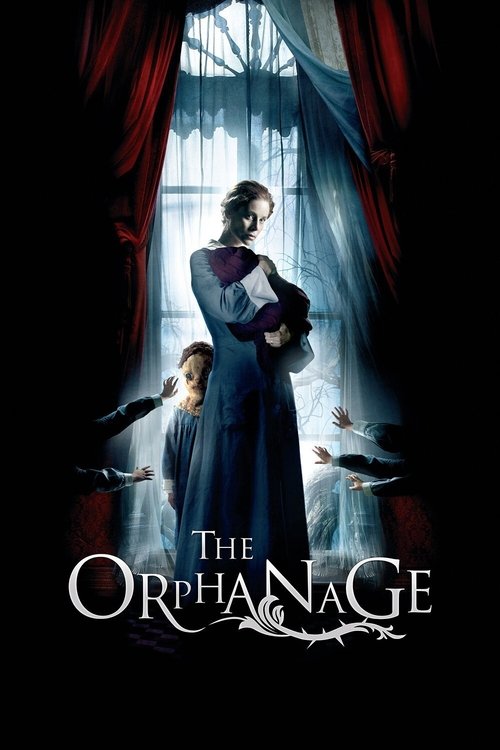
2007

2019
No reviews yet. Be the first to share your thoughts on this movie!
Use the rating form above to leave a star rating and optional review.