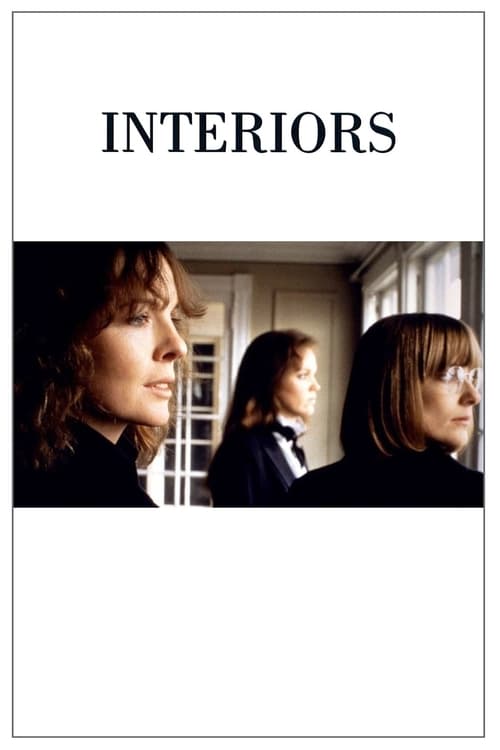
Interiors
1978
No user ratings available yet
Representation score: 2.5 out of 10
Representation Score
Fair
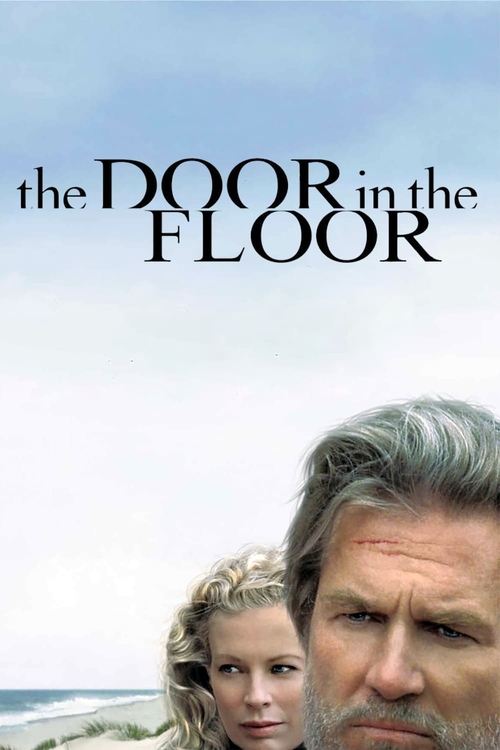
2004
RDirector
Tod Williams
Runtime
111 minutes
Average Rating
No ratings yetNew Showbiz Analysis
The film is a character-driven study set in a specific time period that focuses on psychological depth rather than broad demographics. It challenges the gender hierarchies of the 1950s by highlighting a woman's autonomy and sexual freedom during a period of societal breakdown. However, the film lacks racial and LGBTQ+ diversity, limiting its scope to a homogeneous Anglo-Saxon context reflective of the exclusivity of the 1s. Ultimately, while the film offers a nuanced exploration of complex emotions and relationships, it remains a narrow look at a particular social class.
Category Breakdown
The film focuses on heterosexual relationships and traditional gender roles, without including any queer narratives.
Marion's pursuit of sexual freedom challenges the submissive wife stereotype of the 1950s. The story emphasizes the female perspective on emotional and sexual liberation.
The cast is predominantly Anglo-Saxon, with no non-white characters in significant roles within the suburban setting.
The film portrays the nuclear family as fragile and decaying, showing adultery as a complex reaction to grief rather than a simple moral failing.
Psychological trauma and grief are central themes. However, the film does not represent neurodivergence or characters dealing with physical or sensory disabilities.
Present on Screen
Limited or Absent
Official Synopsis
A writer's young assistant becomes both pawn and catalyst in his boss's disintegrating household.
1978
1987

2014

2010
2001
2014

2008
2004
No reviews yet. Be the first to share your thoughts on this movie!
Use the rating form above to leave a star rating and optional review.