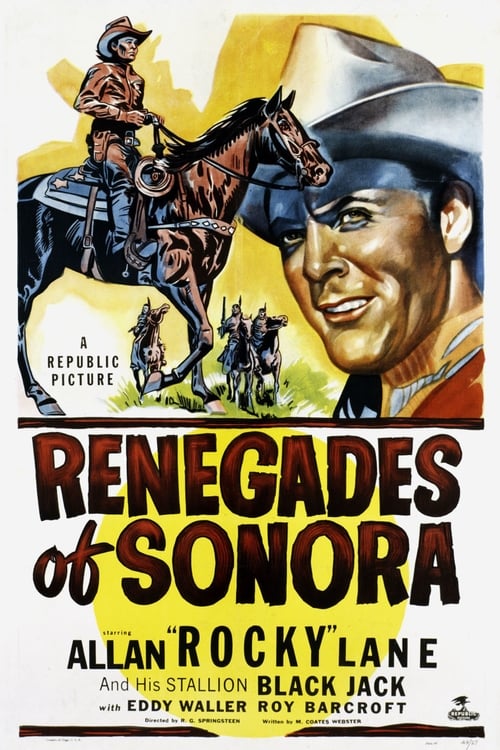
Renegades of Sonora
1948
No user ratings available yet
Diversity score: 2.8 out of 10
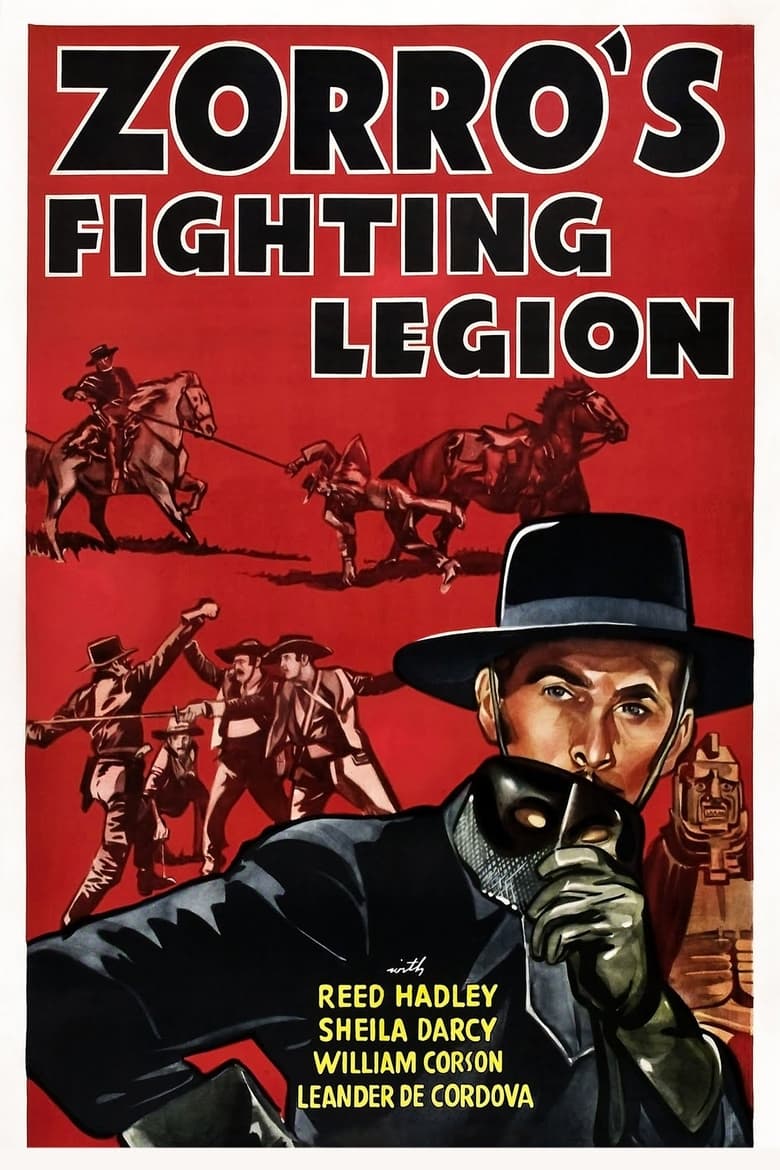
1939
ApprovedDirector
William Witney, John English
Runtime
212 minutes
Average Rating
No ratings yetSynopsis
The mysterious Don Del Oro ("Lord of Gold"), an idol of the Yaqui Indians, plans to take over the gold and become Emperor. Francisco was put in charge of a legion to combat the Yaqui tribe and protect the land, but when attacked Zorro came to his rescue. Francisco's partner recognized Zorro as the hidalgo Don Diego Vega, then ask him to take over the fighting legion as his alter-ego Zorro.
Overall Score
Limited
Category Breakdown
LGBTQ+ Representation
The film lacks any presence of non-cisnormative gender identities or same-sex intimacy. Character dynamics are strictly defined by the heteronormative structures typical of 1930s serial adventures.
Gender Representation
Agency is concentrated almost exclusively in male characters like the masked hero and military leaders. Female characters serve as secondary figures rather than driving the action-driven plot.
Racial & Ethnic Diversity
The cast is predominantly white, utilizing the Yaqui tribe and Spanish colonial subjects as plot catalysts. Portrayals of indigenous groups follow 1930s tropes rather than offering nuanced character studies.
Religious & Cultural Diversity
The narrative reinforces traditional Western and colonial structures through a binary lens of heroism and villainy. It lacks any critique of the established social hierarchies or institutional authority.
Disability Representation
There are no prominent depictions of visible or invisible disabilities that impact the narrative arc.
Strengths
Areas for Improvement
AI Analysis
Zorro's Fighting Legion is a quintessential 1930s action serial that prioritizes kinetic movement and traditional hero-driven narratives. The story relies on established genre archetypes and clear moral distinctions to drive the adventure. The film reinforces existing social and gender hierarchies rather than challenging them. While it features indigenous groups and colonial settings, these elements function as backdrop and plot devices rather than complex cultural studies. Ultimately, the production reflects the traditionalist values of its era, focusing on masked vigilantism and colonial-era power dynamics without intersectional complexity.
1948
1970
1943
1954

1935
1950
1926
1953
1951
1949
1941
1934
No reviews yet. Be the first to share your thoughts on this movie!
Use the rating form above to leave a star rating and optional review.