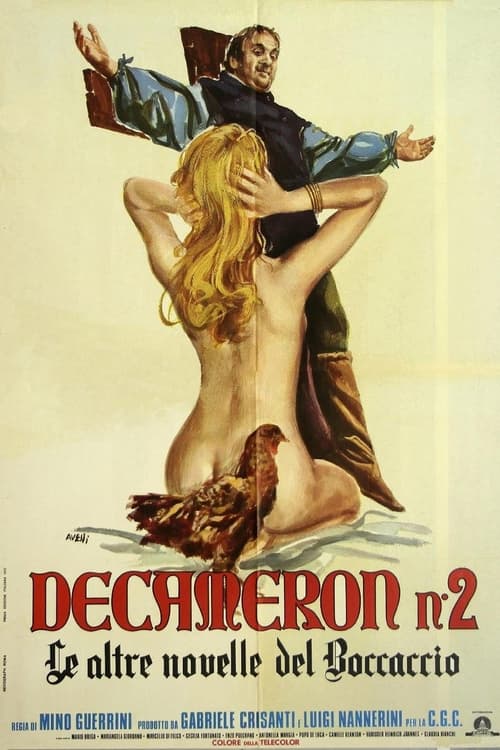
Decameron II
1972
No user ratings available yet
Representation score: 4.4 out of 10
Representation Score
Fair
1972
Director
Italo Alfaro
Runtime
103 minutes
Average Rating
No ratings yetNew Showbiz Analysis
The film primarily serves as a satirical critique of social norms and traditional morality. Using Boccaccio’s framework, it effectively challenges the patriarchal household structure of the early 1970s through female empowerment and wit. However, the film’s scope is limited to a homogeneous European setting, lacking racial diversity and any LGBTQ+ representation. While it excels at subverting religious and marital institutions, it does not address multi-layered identity issues.
Category Breakdown
The film centers on heterosexual relationships and traditional comedic themes related to romance. There is no indication of LGBTQ+ representation or non-cisgender identities.
Female characters frequently take charge in pursuing their desires. The story challenges traditional male dominance by showing stable male figures as victims of cleverness and trickery.
The cast seems predominantly of one ethnicity, aligning with the historical and cultural context of the Italian source material. There is no evidence of racially diverse casting.
The film emphasizes secular views by presenting adultery through humor. It dismantles traditional Western institutions such as marriage and religious restrictions on sexuality.
There is no apparent depiction of characters with visible or invisible disabilities in the film.
Present on Screen
Limited or Absent
Official Synopsis
Seven novels of Boccaccio featuring dirty jokes.
1972
1972
1972
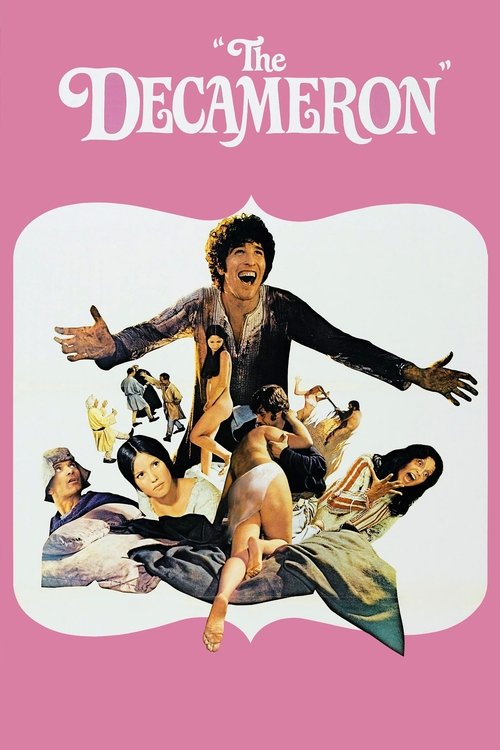
1971
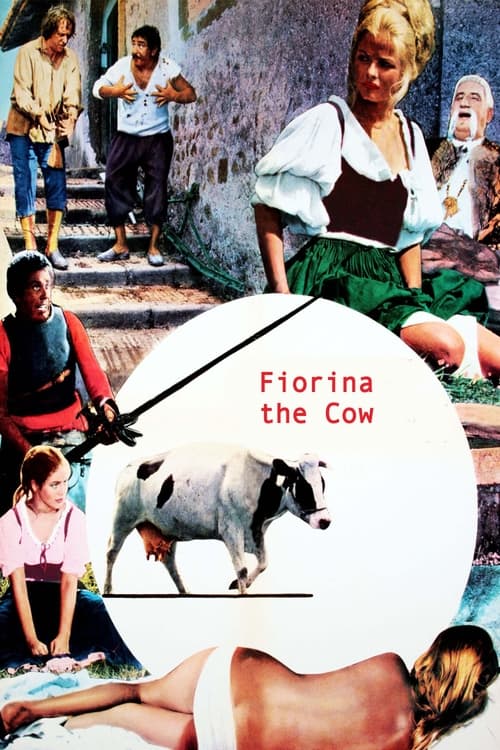
1972
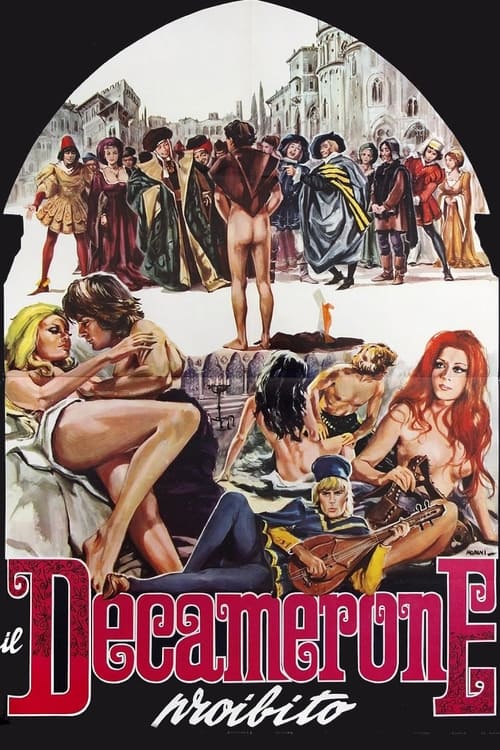
1972
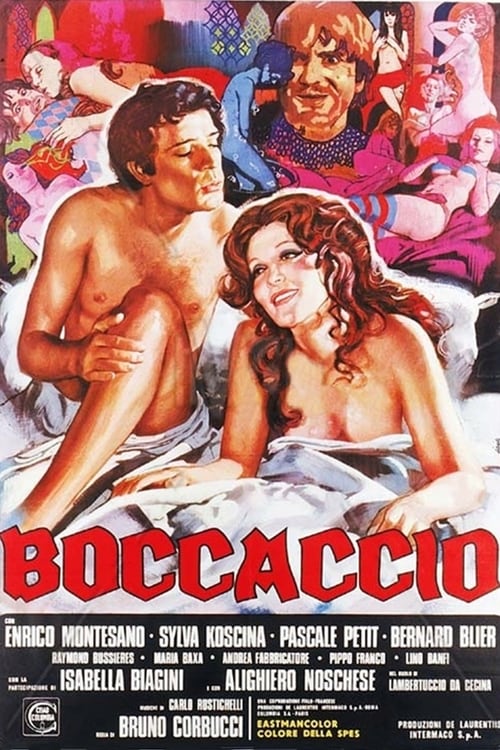
1972
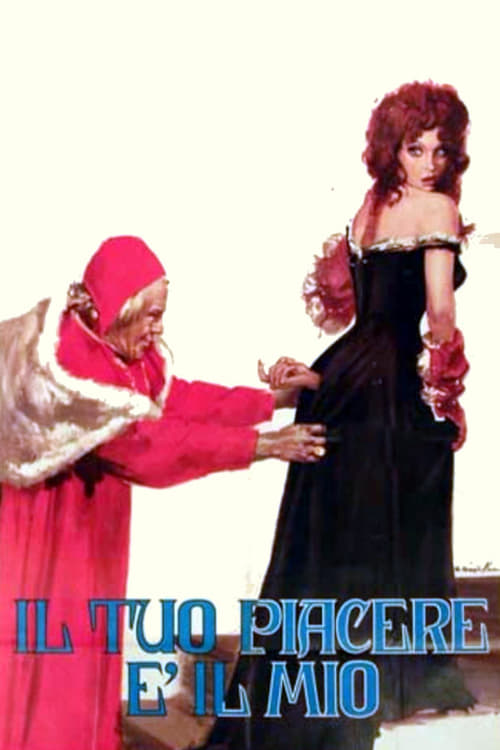
1973
No reviews yet. Be the first to share your thoughts on this movie!
Use the rating form above to leave a star rating and optional review.