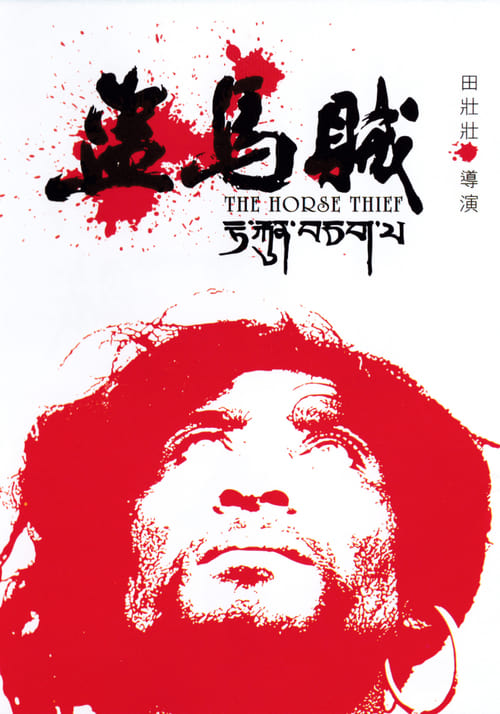
The Horse Thief
1986
No user ratings available yet
Diversity score: 5.7 out of 10
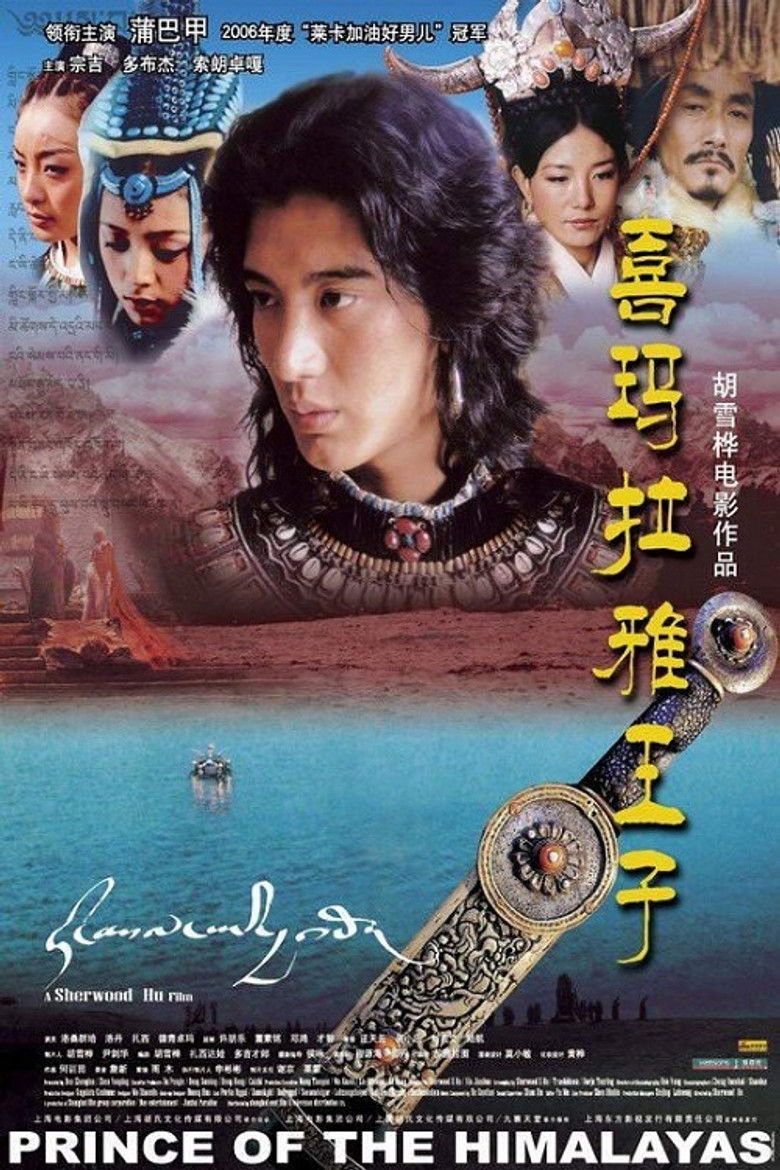
2006
Director
Sherwood Hu
Runtime
108 minutes
Average Rating
No ratings yetSynopsis
Set in ancient Tibet under the shadow of the Himalayas, the young prince Lhamoklodan learns of his father's mysterious death and returns to the Kingdom Jiaobo. Troubled by his mother's sudden remarriage to his uncle Kulo-ngam, he swears to find the truth of his father's death. His obsession of revenge overwhelms his spirit and shadows his love to Odsaluyang. When he points his sword at the new king, Queen Nanm finally tells her beloved son, Lhamoklodan, the true identity of his uncle. In the struggle to face his destiny and fight his demons, a new king is born
Overall Score
Fair
Category Breakdown
LGBTQ+ Representation
The story follows a traditional heteronormative romantic arc between Lhamoklodan and Odsaluyang. There is no evidence of queer subtext or non-cisnormative identities within the narrative.
Gender Representation
The film operates within a patriarchal framework centered on male lineage and kingship. While Queen Nanm provides crucial emotional guidance, the primary plot is driven by male agency and sovereignty.
Racial & Ethnic Diversity
The film excels in regional authenticity by centering a predominantly Asian cast. This setting disrupts Western-centric defaults through a deeply rooted and culturally immersive experience.
Religious & Cultural Diversity
The narrative presents a localized moral landscape centered on traditional institutions like monarchy and family. It avoids Western norms by focusing on themes of destiny and familial duty.
Disability Representation
No visible or invisible disabilities are depicted as central to the character arcs. The focus remains on psychological trauma and the physical rigors of the Himalayan environment.
Strengths
Areas for Improvement
AI Analysis
Prince of the Himalayas succeeds as a culturally specific drama that challenges Western cinematic dominance. By prioritizing a Himalayan setting and an Asian cast, it offers a necessary departure from the homogeneous white narratives often found in global film. However, the film remains tethered to conventional social hierarchies. The plot relies heavily on traditional patriarchal structures and heteronormative romance, which limits its engagement with more progressive gender or queer perspectives. Ultimately, the work is a study in ethnic specificity and traditional morality. It provides a rich, localized worldview even as it adheres to standard tropes of revenge and lineage.
1986

1994
2007
2006

2016

2019
2010

2006

2013
2004
1967

1960
No reviews yet. Be the first to share your thoughts on this movie!
Use the rating form above to leave a star rating and optional review.