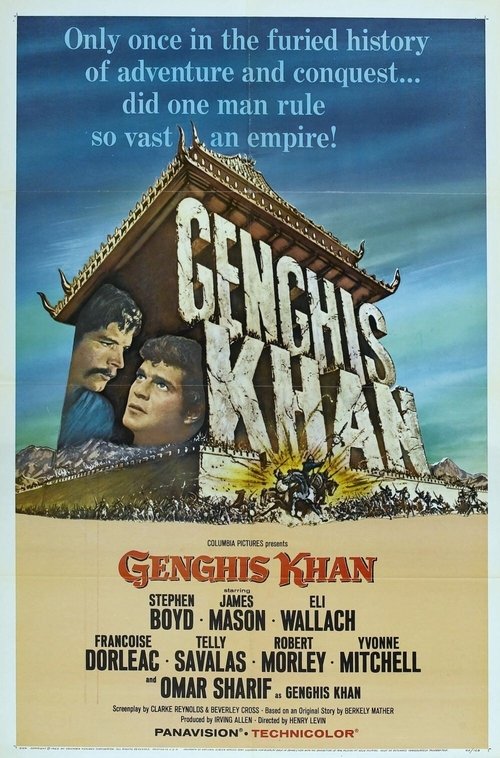
Genghis Khan
1965
No user ratings available yet
Representation score: 0.5 out of 10
Representation Score
Limited
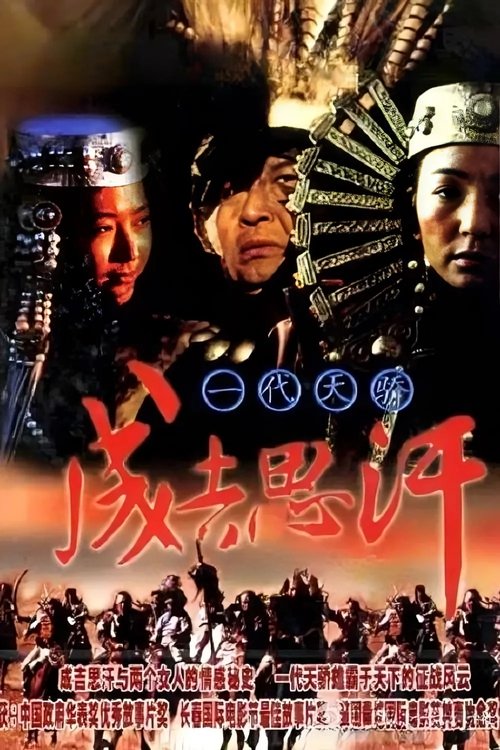
1998
Director
Mai Lisi, Sai Fu
Runtime
113 minutes
Average Rating
No ratings yetNew Showbiz Analysis
Genghis Khan (1998) is a traditional historical epic that stands out for its non-Western perspective. By focusing on the Mongolian steppe and inter-tribal dynamics, it provides a significant departure from typical Hollywood historical clichés. However, the film's internal dynamics are heavily influenced by patriarchal structures. Women are crucial to the plot but are often used as political tools or catalysts for conflict rather than having independent influence. Ultimately, the film follows a classic hero's journey, emphasizing martial strength and tribal unity while reinforcing established hierarchies of gender and authority within its historical context.
Category Breakdown
The film focuses solely on traditional family ties and tribal alliances. There is no depiction of non-traditional gender identities or same-sex relationships.
Women play key roles as the main character's wife and mother, but their influence is often reactive. They primarily serve as political tools or catalysts for conflict.
The production offers strong ethnic representation by centering a non-Western historical narrative. It successfully breaks away from Western-centric epic traditions.
The story depicts a pre-modern social order driven by tribal loyalty and revenge. It operates outside Western moral frameworks but remains grounded in traditional hierarchies.
The narrative focuses on the physical strength needed for warfare and leadership. There is no mention of characters dealing with physical or neurological challenges.
Present on Screen
Limited or Absent
Official Synopsis
During the 12th Century a boy is born to a tribal chief. He is named Temujin, which means "blacksmith." Nine years later, his father is murdered by the Tartars After a long struggle, just when Temujin reclaims tribal chief status, the Merkit tribe kidnaps his wife. In order to fight against the Merkits, Temujin has to use his mother as a pawn in exchange for troops from ally tribes. Temujin manages to rescue his wife only to realise that she is pregnant with the enemy's child. Enduring tremendous anguish, Temujin throws himself into battle against the Tartars and slaughters the leader of the intruders. He eventually takes his wife back and accepts her child. Later on, he begins a campaign to unify all Mongolian tribes. By the age of 40, he is bestowed the title "Genghis Khan", which means "oceanic ruler".
1965

2019
2007
2013
1950
1956
2009
2006
No reviews yet. Be the first to share your thoughts on this movie!
Use the rating form above to leave a star rating and optional review.