A Life in the Balance
1955
No user ratings available yet
Representation score: 2.1 out of 10
Representation Score
Limited
1960
Director
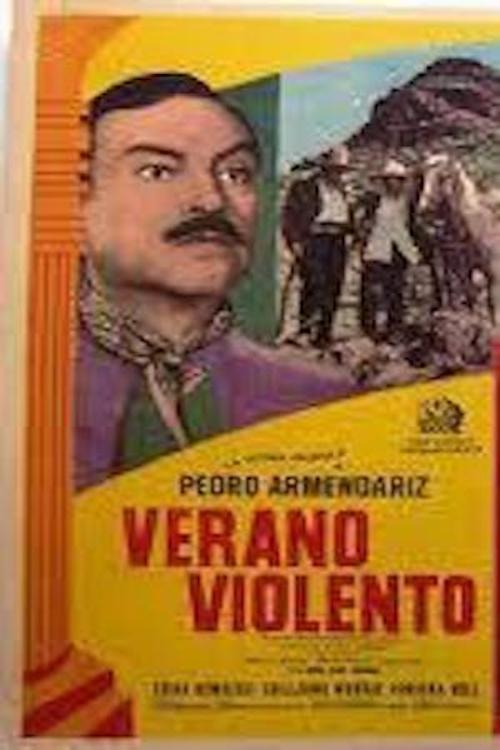
Alfonso Corona Blake
Runtime
85 minutes
Average Rating
No ratings yetNew Showbiz Analysis
Violent Summer is a culturally authentic Mexican film that stands out for its regional authenticity. By using a local cast and setting, it avoids the Anglo-centric biases common in 1960s global media. However, the film remains a conventional genre piece. It adheres to the social norms of its era, offering little disruption to traditional gender roles or sexual identities. The rebellion shown follows standard coming-of-age clichés rather than challenging institutional authority. Ultimately, the film’s strength lies in its authentic Mexican perspective, while its weakness is its adherence to the conservative social structures of the mid-century.
Category Breakdown
The film does not include explicit stories or character arcs related to LGBTQ+ identities. It focuses on traditional adolescent romance typical of the early 1960s.
The film portrays gender roles consistent with mid-century standards without challenging traditional hierarchies. The central mystery revolves around a female character, Beatriz, but follows conventional gender dynamics.
The film features a mostly Mexican cast and an authentic regional setting. It avoids the whitewashing common in Western media of the time by presenting a localized perspective.
The film operates within a traditional framework showing social tension and adolescent rebellion. It does not offer systemic critiques of institutions or a deconstruction of traditional morality.
There is no documented evidence regarding the portrayal of physical or neurodivergent disabilities within the film.
Present on Screen
Limited or Absent
Official Synopsis
During the Mexican Revolution, Beatriz's body is discovered by some kids. The police began to investigate the history of Beatriz.
1955
2020

1970

2014

1969

1942
1959
1972
No reviews yet. Be the first to share your thoughts on this movie!
Use the rating form above to leave a star rating and optional review.