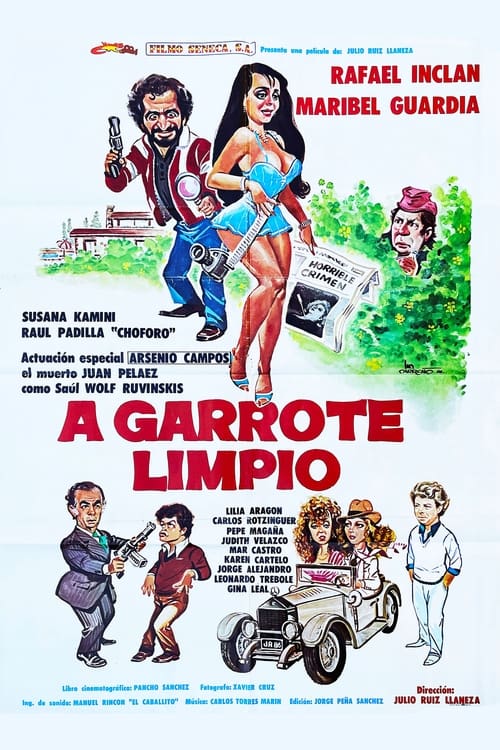
A garrote limpio
1985
No user ratings available yet
Representation score: 3.0 out of 10

Representation Score
Fair
1970
Director
Carlos Velo
Runtime
85 minutes
Average Rating
No ratings yetNew Showbiz Analysis
By focusing on a woman who play a significant role in driving the story, the film departs from traditional norms and presents a fresh perspective. The story's central female character breaks the mold of passive female roles. Although the Mexican setting introduces a non-Western viewpoint, the narrative lacks deeper multi-layered complexity. The plot sticks to a traditional revenge theme without delving into broader societal critiques. Overall, the film excels in gender and geographical diversity but falls short in representing LGBTQ+ individuals or addressing disability.
Category Breakdown
The film doesn't include explicit LGBTQ+ characters or stories. It follows a traditional revenge storyline centered around conventional relationships.
A strong female character drives the plot with significant influence. She is the main force behind the violence and justice, which challenges typical stereotypes of women being submissive.
Set in Mexico, the film shifts away from Anglo-centric views. The production suggests a diverse cast that isn't dominated by white actors, moving away from Western norms.
The story explores personal morality through a mission of vengeance. However, it doesn't explicitly critique Western institutions or address anti-capitalist themes.
There are no characters mentioned as dealing with physical, neurodivergent, or mental health issues based on the synopsis provided.
Present on Screen
Limited or Absent
Official Synopsis
A woman is sent to Mexico to kill the person who presumptly killed her father.
1985
1955
1972

1968
1958

1974
1970
1955
No reviews yet. Be the first to share your thoughts on this movie!
Use the rating form above to leave a star rating and optional review.